Gangsta Blac

Hip Hop
Contemporary Hip Hop
 Viberate Rank: 117400
 Viberate Rank: 117400
 Monthly ListenersFollowers
 Subscribers
 Followers
 Followers
 FansTop Spotify Songs
| Track | 7-Day Streams | |
|---|---|---|
1 | 10.05K | |
2 | 9.69K | |
3 | 3.53K | |
4 | 3.19K | |
5 | 2.94K |
Top YouTube VideosMonthly ListenersFeatured in Playlists| Playlist | Followers | |
|---|---|---|
1 |  The Sound of Everything The Sounds of Spotify | 53.82K |
2 |  Old School Memphis Rap Niels Verheul | 49.12K |
3 | Memphis rap only mutchomambo | 31.50K |
4 |  Undeniable Hits Spotify | 30.26K |
5 | Line Dances & Club Bangger 22huvhvcqugxs5gk3ul2h6qdi | 15.05K |
Audience| City | Monthly Listeners | |
|---|---|---|
1 | | 1.12K |
2 | | 1.05K |
3 | | 1.02K |
4 | | 874 |
5 | | 857 |
See full performance history, audience data, playlist activity, rankings, comparisons, and more in Viberate music analytics. Start with a free trial, then continue with a paid plan.
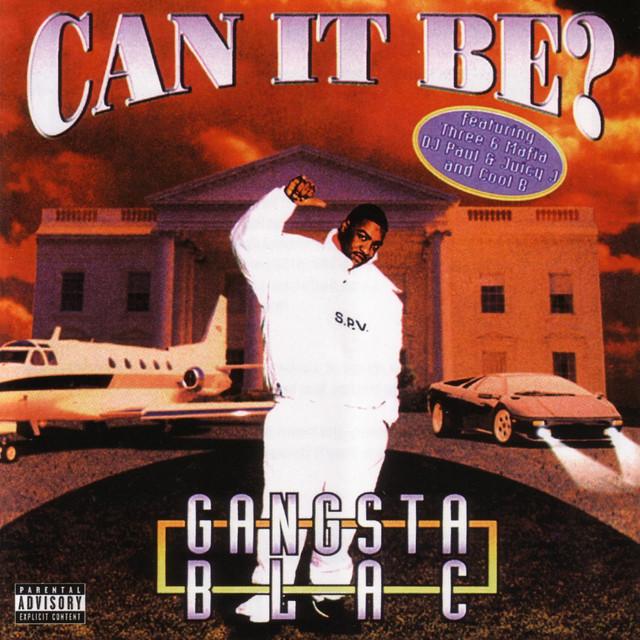
Gangsta Blac’s Spotify BioLong recognized as one of Memphis' top MCs, Gangsta Blac remained strictly an underground phenomenon before breaking out of the South in the early 2000s. His career began as a member of the Memphis-based Three 6 Mafia clique before going solo in the mid-'90s. Influenced by the harsh ghetto rap of Eightball & MJG and the Geto Boys, Gangsta Blac's music incorporates the bleak ideology of gangsta rap with a Southern attitude and rowdy Dirty South beats. His hit single "Southern Parkway" extended the artist's reach beyond Memphis, getting substantial airplay in other Southern rap hotspots such as Atlanta, Birmingham, and Houston. In 2001, his Down South Flava positioned Gangsta Blac on the verge of spreading his reach even further out of the South thanks to the rising levels of attention being focused on Southern rappers. ~ Jason Birchmeier, Rovi
Viberate is a music analytics platform built for A&Rs, artist managers, labels, booking agents, marketers, and artists.
It helps music professionals track artist growth, analyze audience data, monitor playlist activity, compare artists, follow song performance, and identify opportunities across the music market.
Public artist pages provide a free preview of selected artist data. Paid plans provide access to deeper analytics, historical data, charts, comparisons, playlist tools, exports, alerts, reports, and additional professional features.
Yes. Public Viberate artist pages provide selected artist analytics and music data for free.
Viberate also offers a 7-day free trial of the full platform. A credit card is required to start the trial. The trial includes access to the complete product so users can test deeper artist analytics, historical views, playlist insights, comparisons, charts, exports, alerts, and reporting features before choosing a paid plan.
Viberate provides artist analytics across streaming, playlists, social media, video, radio airplay, songs, and audience markets.
Users can analyze Spotify performance, Spotify and Apple Music playlists, YouTube activity, TikTok and Instagram growth, radio spins, song performance, audience locations, demographics, rankings, and overall artist momentum.
Artist profiles also connect to music charts, similar artists, and comparison tools, helping users benchmark performance and evaluate artists in context.
Viberate updates key artist and track data daily.
For followed artists and tracks, selected data is refreshed multiple times per day. This helps teams monitor playlist changes, streaming movement, audience growth, releases, and campaign performance with more current data.
Update frequency can vary depending on the metric and data source.
Yes. Viberate lets users compare up to five artists side by side across streaming, social media, audience, and engagement metrics.
Users can compare fanbase growth, audience demographics, locations, Spotify performance, social metrics, and other artist data over selected time periods.
Artist comparison can be used for A&R scouting, benchmarking, booking decisions, campaign planning, and evaluating artists with similar audiences or market positions.