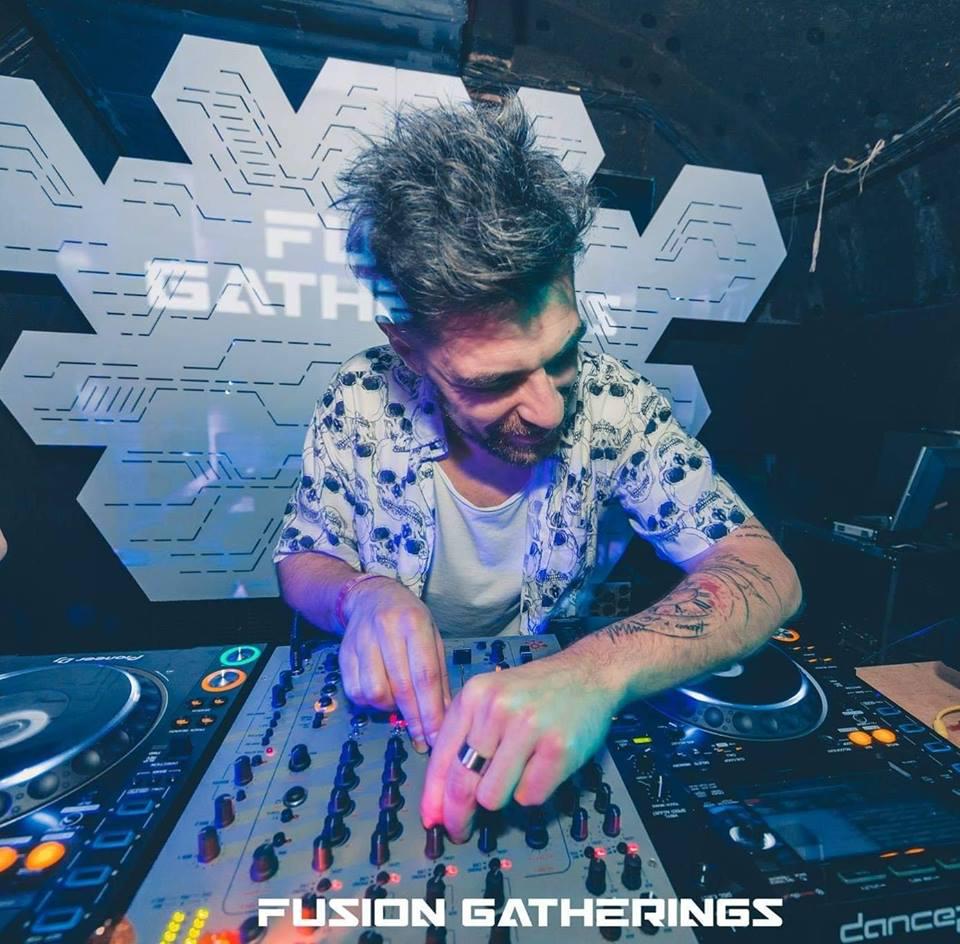
Gandhabba

Electronic
Psy Trance
Trance
 Viberate Rank: 326480
 Viberate Rank: 326480
 Monthly ListenersFollowers
 Subscribers
 Followers
 Followers
 FansTop Spotify Songs
| Track | 7-Day Streams | |
|---|---|---|
1 | 202 | |
2 | 89 | |
3 | 64 | |
4 | 55 | |
5 | 55 |
Top YouTube VideosMonthly ListenersFeatured in Playlists| Playlist | Followers | |
|---|---|---|
1 |  Psychedelic Trance Marcel Huber | 65.82K |
2 |  Psytrance =) Kristoffer Sørensen | 38.14K |
3 |  Forest Psytrance 🌳😾💥🚀🌲 SASHA | 27.98K |
4 |  Astrix - Psychedelic Trance Shamanic Tales Astrix | 14.84K |
5 |  OZORA 2026 Main Stage Laszlo Hathazi | 7.65K |
Audience| City | Monthly Listeners | |
|---|---|---|
1 |  | 71 |
2 |  | 69 |
3 |  | 28 |
4 | | 24 |
5 | | 22 |
See full performance history, audience data, playlist activity, rankings, comparisons, and more in Viberate music analytics. Start with a free trial, then continue with a paid plan.
Gandhabba’s Spotify BioIt was in 2000 that Manuel Batista began to deeply connect with music. Full of heavy tunes, from heavy metal to black, the love for music began, and the first connection to the music itself was when he began to learn guitar. Later in 2003 he "discovered" electronic music, Psy Trance, going to his first open air party. From that moment until now, his passion for electronic music grew exponentially.
In 2005 he started playing DJ sets just for fun, but a couple of years later, with the love of mixing reaching a higher level, things became more serious and he began to play in clubs, open air parties and bigger events.
In 2012 he started an advanced dj grade that gave him a more refined and technical vision of electronic music theory and production. In the same year, in order to go further, he pursued an academic degree in electronic music and musical production and since then shared his time between production and mixing.
His set's can take several paths and travel in the darker side of Psy… Trance or can follow more groovy psychedelic trails. The order is to simply innovate and improve, no matter what kind of music style. Without rules or limits.
Viberate is a music analytics platform built for A&Rs, artist managers, labels, booking agents, marketers, and artists.
It helps music professionals track artist growth, analyze audience data, monitor playlist activity, compare artists, follow song performance, and identify opportunities across the music market.
Public artist pages provide a free preview of selected artist data. Paid plans provide access to deeper analytics, historical data, charts, comparisons, playlist tools, exports, alerts, reports, and additional professional features.
Yes. Public Viberate artist pages provide selected artist analytics and music data for free.
Viberate also offers a 7-day free trial of the full platform. A credit card is required to start the trial. The trial includes access to the complete product so users can test deeper artist analytics, historical views, playlist insights, comparisons, charts, exports, alerts, and reporting features before choosing a paid plan.
Viberate provides artist analytics across streaming, playlists, social media, video, radio airplay, songs, and audience markets.
Users can analyze Spotify performance, Spotify and Apple Music playlists, YouTube activity, TikTok and Instagram growth, radio spins, song performance, audience locations, demographics, rankings, and overall artist momentum.
Artist profiles also connect to music charts, similar artists, and comparison tools, helping users benchmark performance and evaluate artists in context.
Viberate updates key artist and track data daily.
For followed artists and tracks, selected data is refreshed multiple times per day. This helps teams monitor playlist changes, streaming movement, audience growth, releases, and campaign performance with more current data.
Update frequency can vary depending on the metric and data source.
Yes. Viberate lets users compare up to five artists side by side across streaming, social media, audience, and engagement metrics.
Users can compare fanbase growth, audience demographics, locations, Spotify performance, social metrics, and other artist data over selected time periods.
Artist comparison can be used for A&R scouting, benchmarking, booking decisions, campaign planning, and evaluating artists with similar audiences or market positions.