Gallo Cósmico

Latin
Other Latin Music
Funk
 Viberate Rank: 523486
 Viberate Rank: 523486
 Monthly ListenersFollowers
 Subscribers
 Followers
 Followers
 FansTop Spotify Songs
| Track | 7-Day Streams | |
|---|---|---|
1 | 7 | |
2 | 6 | |
3 | 5 | |
4 | 3 | |
5 | 3 |
Top YouTube VideosMonthly ListenersFeatured in PlaylistsAudience| City | Monthly Listeners | |
|---|---|---|
1 |  | 34 |
2 | | 6 |
3 | | 4 |
4 | | 4 |
5 | | 3 |
See full performance history, audience data, playlist activity, rankings, comparisons, and more in Viberate music analytics. Start with a free trial, then continue with a paid plan.
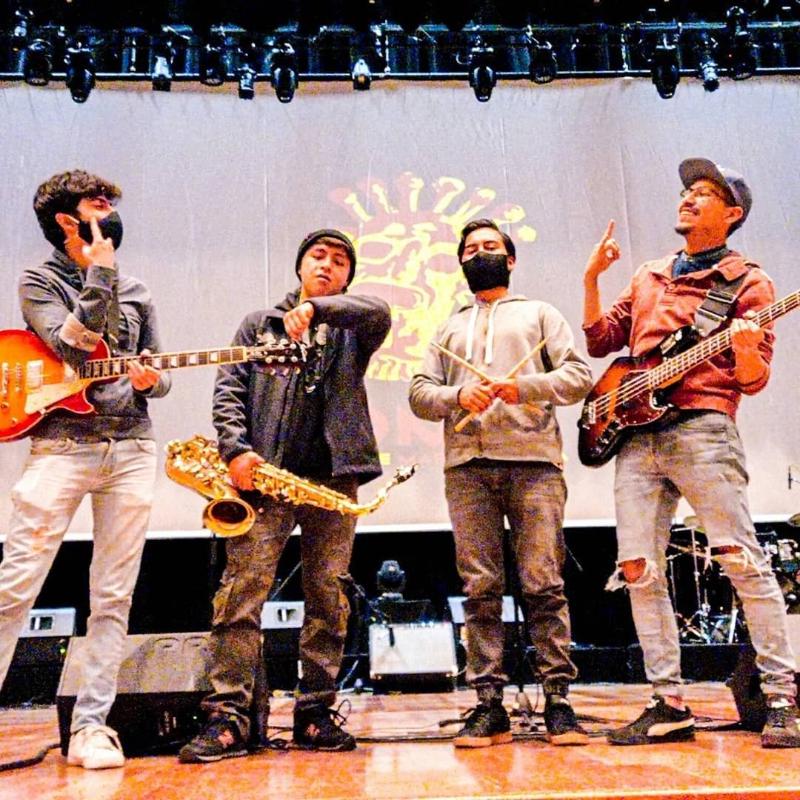
Gallo Cósmico’s Spotify BioAgrupación creada en abril del 2014 con el objetivo de crear música electrónica instrumental con un toque de funk, latón, house, jazz, disco y trip-hop.
Todo se remota por ahí de junio del 2014, el proyecto empezó buscando ser algo que en el underground se conoce como Brass House, de ahí empezamos a integrar más instrumentos, porque la base era muy simple, 2 saxos y batería, invitamos a franz sintetizador y Mike bajista (en su momento) y con eso se concretó la base de este proyecto.
Debido a que teníamos el sintetizador y que buscábamos hacer electrónica instrumental llamada en el underground como electrónica orgánica, la electrónica orgánica tiene muchas tendencias, se puede hacer dubstep, house, funk, Jazz, etc, la gente no sabe cómo llamarlo, entonces le pusimos cósmico.
En algunos lugares nos catalogan como Electro Funk, otros como Electro Brass, pero teniendo instrumentos en vivo es difícil llamar electro a algo que es hibrido entre sintetizadores e instrumentos vivos, por eso es… cósmico.
Lo del gallo fue básicamente porque aunque el gallo no es 100% un animal mexicano es representativo, el gallo es un animal asiático pero dado su uso y desarrollo en nuestro país, se ha vuelto algo usual, algo tradicional, a nivel cultural.
El gallo, un animal orgulloso, firme y seguro, en algunas localidades rurales, es lo primero que escuchas al despertar, en México se volvió parte de nuestra cultura “el Canto del Gallo” este proyecto es eso, el canto del Gallo, del Gallo Cósmico.
Viberate is a music analytics platform built for A&Rs, artist managers, labels, booking agents, marketers, and artists.
It helps music professionals track artist growth, analyze audience data, monitor playlist activity, compare artists, follow song performance, and identify opportunities across the music market.
Public artist pages provide a free preview of selected artist data. Paid plans provide access to deeper analytics, historical data, charts, comparisons, playlist tools, exports, alerts, reports, and additional professional features.
Yes. Public Viberate artist pages provide selected artist analytics and music data for free.
Viberate also offers a 7-day free trial of the full platform. A credit card is required to start the trial. The trial includes access to the complete product so users can test deeper artist analytics, historical views, playlist insights, comparisons, charts, exports, alerts, and reporting features before choosing a paid plan.
Viberate provides artist analytics across streaming, playlists, social media, video, radio airplay, songs, and audience markets.
Users can analyze Spotify performance, Spotify and Apple Music playlists, YouTube activity, TikTok and Instagram growth, radio spins, song performance, audience locations, demographics, rankings, and overall artist momentum.
Artist profiles also connect to music charts, similar artists, and comparison tools, helping users benchmark performance and evaluate artists in context.
Viberate updates key artist and track data daily.
For followed artists and tracks, selected data is refreshed multiple times per day. This helps teams monitor playlist changes, streaming movement, audience growth, releases, and campaign performance with more current data.
Update frequency can vary depending on the metric and data source.
Yes. Viberate lets users compare up to five artists side by side across streaming, social media, audience, and engagement metrics.
Users can compare fanbase growth, audience demographics, locations, Spotify performance, social metrics, and other artist data over selected time periods.
Artist comparison can be used for A&R scouting, benchmarking, booking decisions, campaign planning, and evaluating artists with similar audiences or market positions.