Galactic Fuzz

Rock
Alternative Rock
Psychedelic Rock
 Viberate Rank: 675319
 Viberate Rank: 675319
 Monthly ListenersFollowers
 Subscribers
 Followers
 Followers
 FansTop Spotify Songs
| Track | 7-Day Streams | |
|---|---|---|
1 | 17 | |
2 | 11 | |
3 | 7 | |
4 | 7 | |
5 | 2 |
Top YouTube VideosMonthly ListenersFeatured in Playlists| Playlist | Followers | |
|---|---|---|
1 |  New Rock Music with Depth indiemusicpromo | 6.88K |
2 |  ROCK & RIOT musicwithdepth | 5.07K |
3 |  Undiscovered Rock 2022 Undiscovered Music | 4.52K |
4 |  INDIE 2022 😏🎵🎸 Sands Random | 2.49K |
Audience| City | Monthly Listeners | |
|---|---|---|
1 |  | 4 |
2 |  | 4 |
3 | | 3 |
4 |  | 3 |
See full performance history, audience data, playlist activity, rankings, comparisons, and more in Viberate music analytics. Start with a free trial, then continue with a paid plan.
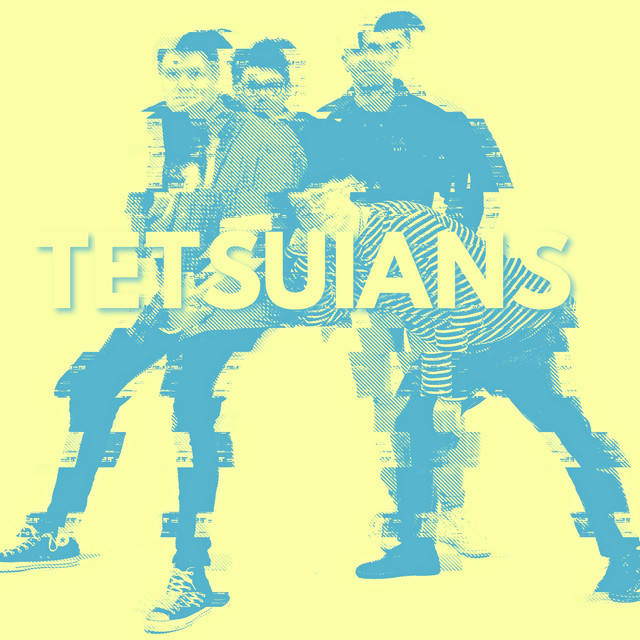
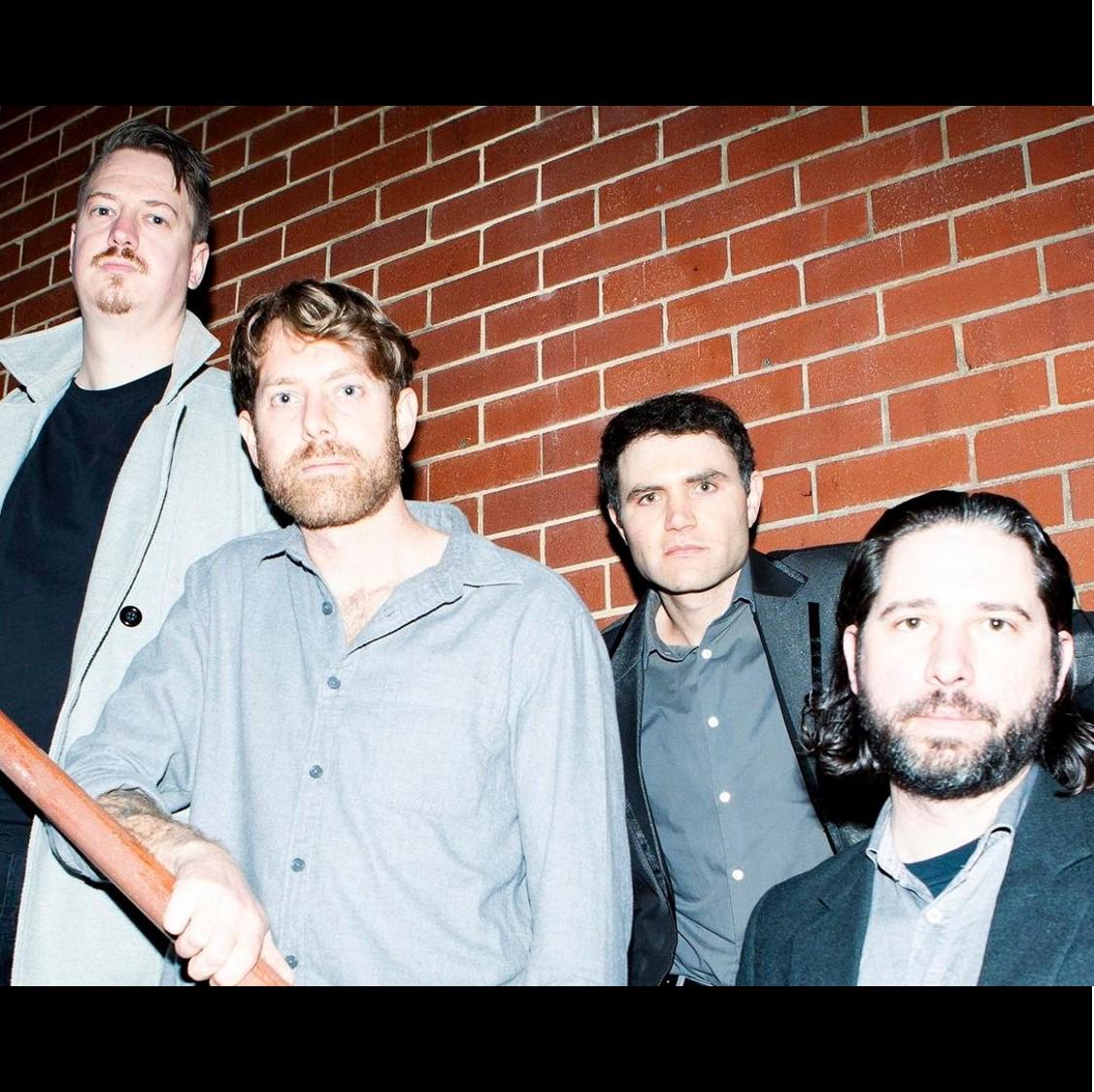
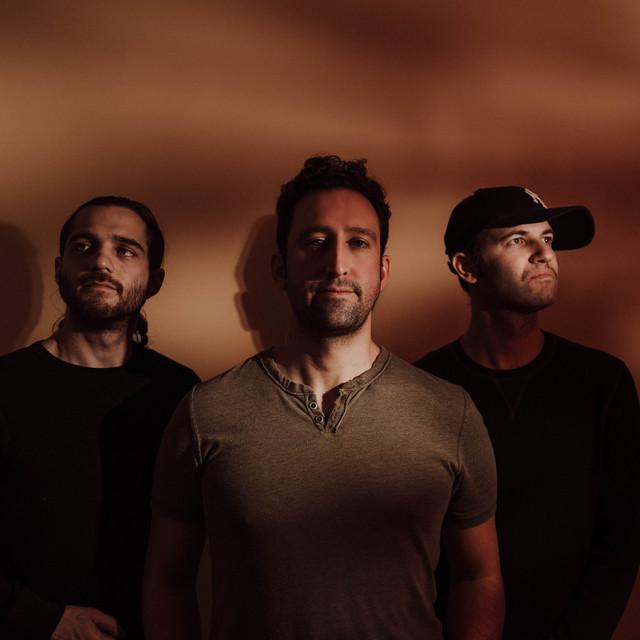
Galactic Fuzz’s Spotify BioGalactic Fuzz is the sonic brainchild of three friends who bonded over a shared love of psychedelic guitar rock. Formed in 2019, this trio—Javier Guell (vocals, guitar), Ricky Mere (drums), and Jorge Garcia (bass)—has channeled years of musical camaraderie into a sound that’s equal parts swirling melodies, catchy hooks, and blistering guitar solos.
Their self-titled debut album, dropped in October 2022, carved out a niche for them in the indie music scene, attracting a small but fiercely loyal fanbase. But it was the release of their 2024 single, “But I’m OK,” that catapulted them to new heights, tripling their audience and setting the stage for their much-anticipated sophomore album, "And the Stars". As singles from the album began to trickle out in May 2024, the buzz around Galactic Fuzz grew, igniting excitement for what’s next.
Once a studio-focused act with just two live performances under their belt, Galactic Fuzz is now poised to bring their electrifying sound to stages across… Miami, Las Vegas, Southern California, and beyond.
Viberate is a music analytics platform built for A&Rs, artist managers, labels, booking agents, marketers, and artists.
It helps music professionals track artist growth, analyze audience data, monitor playlist activity, compare artists, follow song performance, and identify opportunities across the music market.
Public artist pages provide a free preview of selected artist data. Paid plans provide access to deeper analytics, historical data, charts, comparisons, playlist tools, exports, alerts, reports, and additional professional features.
Yes. Public Viberate artist pages provide selected artist analytics and music data for free.
Viberate also offers a 7-day free trial of the full platform. A credit card is required to start the trial. The trial includes access to the complete product so users can test deeper artist analytics, historical views, playlist insights, comparisons, charts, exports, alerts, and reporting features before choosing a paid plan.
Viberate provides artist analytics across streaming, playlists, social media, video, radio airplay, songs, and audience markets.
Users can analyze Spotify performance, Spotify and Apple Music playlists, YouTube activity, TikTok and Instagram growth, radio spins, song performance, audience locations, demographics, rankings, and overall artist momentum.
Artist profiles also connect to music charts, similar artists, and comparison tools, helping users benchmark performance and evaluate artists in context.
Viberate updates key artist and track data daily.
For followed artists and tracks, selected data is refreshed multiple times per day. This helps teams monitor playlist changes, streaming movement, audience growth, releases, and campaign performance with more current data.
Update frequency can vary depending on the metric and data source.
Yes. Viberate lets users compare up to five artists side by side across streaming, social media, audience, and engagement metrics.
Users can compare fanbase growth, audience demographics, locations, Spotify performance, social metrics, and other artist data over selected time periods.
Artist comparison can be used for A&R scouting, benchmarking, booking decisions, campaign planning, and evaluating artists with similar audiences or market positions.