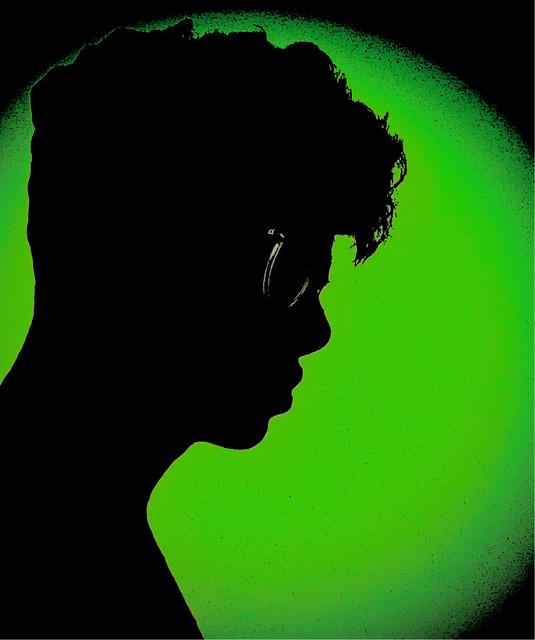
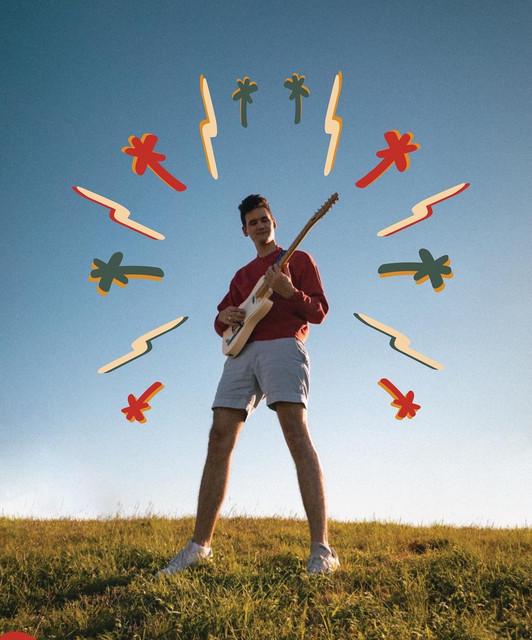
Gabriel Bishop

R&B
Contemporary R&B
Indie Pop
Contemporary Hip Hop
 Viberate Rank: 771093
 Viberate Rank: 771093
 Monthly ListenersFollowers
 Subscribers
 Followers
 Followers
 FansTop Spotify Songs
| Track | 7-Day Streams | |
|---|---|---|
1 | 4 | |
2 | 4 | |
3 | 2 | |
4 | 2 | |
5 | 1 |
Top YouTube VideosMonthly ListenersFeatured in Playlists| Playlist | Followers | |
|---|---|---|
1 | Electro-Indie Pop Fusion SonicMuse | 29.05K |
2 |  Future Hits Jennifer Blake | 14.21K |
3 |  New Artists Songs GoodArtist Music Studio | 3.23K |
4 |  Pop Squad Tae | 1.29K |
Audience| City | Monthly Listeners | |
|---|---|---|
1 | | 5 |
See full performance history, audience data, playlist activity, rankings, comparisons, and more in Viberate music analytics. Start with a free trial, then continue with a paid plan.
Gabriel Bishop’s Spotify BioGabriel Bishop is the solo project of Brisbane-based producer Harry Wells. With four years honing his craft as an independent producer, Harry decided to put his skills to good use and make his mark on the world stage as Gabriel Bishop. Combining his love of early 2000s hip-hop, pop, and RnB with his roots as a folk singer-songwriter, Gabriel creates music that is lyrically focused, musically complex, and irresistibly catchy. He uses his wide range of influences to make a sound that is diverse yet unmistakably his own. His new single “BACK OF MY HANDS” is an enigmatic love song. Set in a drug fuelled haze through the streets of New York we are given glimpses into the lives of two young lovers on their journey into chaos together. A visceral blend of Steely Dan-esque lyrical cynicism and thumping electro dance-rock, “BACK OF MY HANDS” weaves a tale of love, medication, highs, lows, and (weirdest of all) Nascar. A welcome departure from Gabriel’s usual hopeless romantic schtick, this new… single shows a new side and scope to Bishop’s music. Entirely self produced, written, recorded, mixed, and mastered, “BACK OF MY HANDS” is raw and unfiltered. Pulled straight from a Ronald Reagan ‘War-on-drugs’ nightmare (complete with a roaring 80s guitar solo) this song proves once and for all that love is a drug.
Get in touch - gabrielbishopmusic@gmail.com
Viberate is a music analytics platform built for A&Rs, artist managers, labels, booking agents, marketers, and artists.
It helps music professionals track artist growth, analyze audience data, monitor playlist activity, compare artists, follow song performance, and identify opportunities across the music market.
Public artist pages provide a free preview of selected artist data. Paid plans provide access to deeper analytics, historical data, charts, comparisons, playlist tools, exports, alerts, reports, and additional professional features.
Yes. Public Viberate artist pages provide selected artist analytics and music data for free.
Viberate also offers a 7-day free trial of the full platform. A credit card is required to start the trial. The trial includes access to the complete product so users can test deeper artist analytics, historical views, playlist insights, comparisons, charts, exports, alerts, and reporting features before choosing a paid plan.
Viberate provides artist analytics across streaming, playlists, social media, video, radio airplay, songs, and audience markets.
Users can analyze Spotify performance, Spotify and Apple Music playlists, YouTube activity, TikTok and Instagram growth, radio spins, song performance, audience locations, demographics, rankings, and overall artist momentum.
Artist profiles also connect to music charts, similar artists, and comparison tools, helping users benchmark performance and evaluate artists in context.
Viberate updates key artist and track data daily.
For followed artists and tracks, selected data is refreshed multiple times per day. This helps teams monitor playlist changes, streaming movement, audience growth, releases, and campaign performance with more current data.
Update frequency can vary depending on the metric and data source.
Yes. Viberate lets users compare up to five artists side by side across streaming, social media, audience, and engagement metrics.
Users can compare fanbase growth, audience demographics, locations, Spotify performance, social metrics, and other artist data over selected time periods.
Artist comparison can be used for A&R scouting, benchmarking, booking decisions, campaign planning, and evaluating artists with similar audiences or market positions.