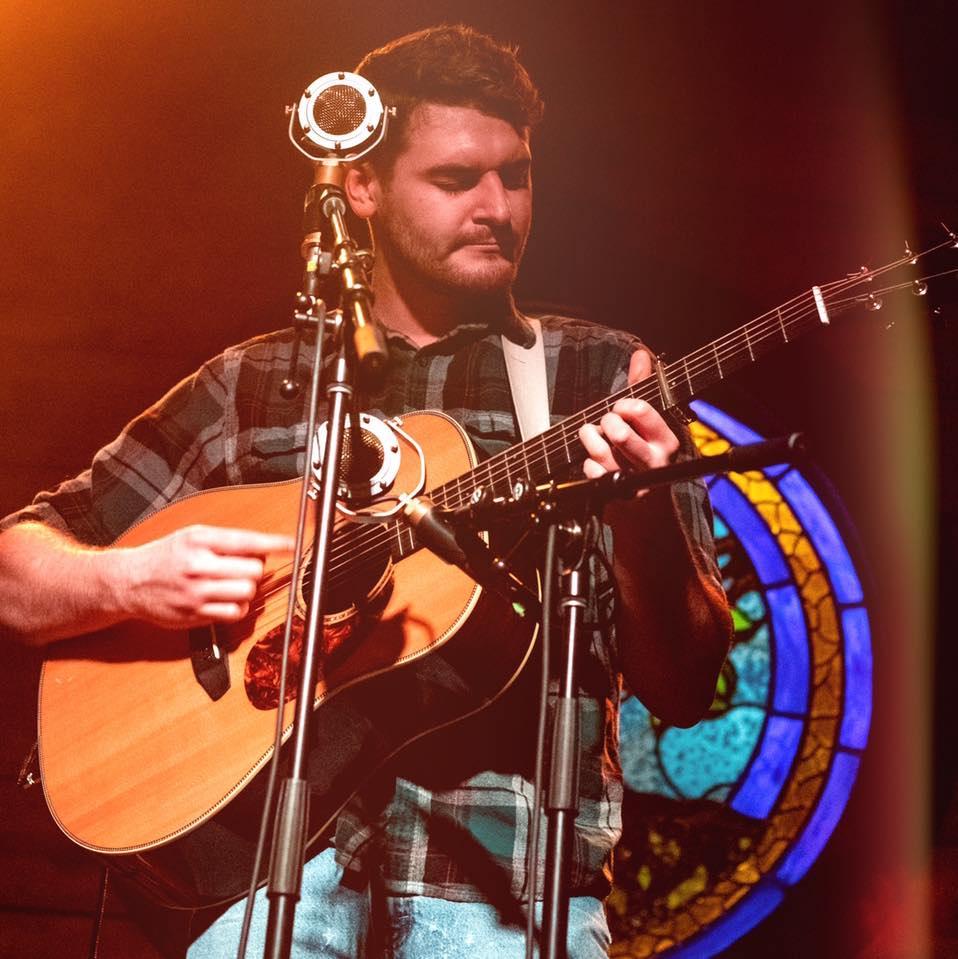
Gabe Lee

Country
Americana/Alt Country
 Viberate Rank: 120225
 Viberate Rank: 120225
 Monthly ListenersFollowers
 Subscribers
 Followers
 Followers
 FansTop Spotify Songs
| Track | 7-Day Streams | |
|---|---|---|
1 | 5.83K | |
2 | 4.35K | |
3 | 3.46K | |
4 | 1.50K | |
5 | 1.04K |
Top YouTube VideosMonthly ListenersFeatured in Playlists| Playlist | Followers | |
|---|---|---|
1 |  homegrown Spotify | 476.17K |
2 |  Front Porch Spotify | 240.43K |
3 |  New Country 2026 Travis James | 82.67K |
4 |  Country 2026 (Country Music Hits Updated Weekly) Ryan Robinette | 51.84K |
5 |  Country, Folk Mustangs & Mavericks | 16.65K |
Audience| City | Monthly Listeners | |
|---|---|---|
1 | | 692 |
2 | | 582 |
3 | | 539 |
4 | | 491 |
5 | | 411 |
See full performance history, audience data, playlist activity, rankings, comparisons, and more in Viberate music analytics. Start with a free trial, then continue with a paid plan.
Gabe Lee’s Spotify BioEqual parts classic songwriter and modern-day storyteller, Gabe Lee has built his own bridge between country, folk and rock. Lee has been collecting stories for years, both onstage and off.
With critically-acclaimed albums like 2019's farmland, 2020's Honky-Tonk Hell, and 2022's The Hometown Kid, Lee created a connection with his fanbase by delivering his own stories to an ever-growing audience. His fourth record, Drink the River, takes a different approach. This time, Lee isn't offering listeners a peek into his internal world; he's holding up a mirror to reflect their own.
Storytelling has been an anchor of Lee's music since the very beginning. He launched his career as a genre-bending musician after returning to Tennessee, quickly progressing from dive bar gigs to high-profile opening slots (including shows with Jason Isbell, Los Lobos, and other artists who, like him, blurred the lines between roots-rock, country, and other forms of American folk music) to his own headlining shows.… Throughout it all, he drew upon the narrative skills he'd sharpened as a student. If albums like Honky-Tonk Hell and The Hometown Kid often unfolded like autobiographical entries from his road journal, then Drink the River shows an even broader range of his storytelling abilities. Lee isn't just writing songs about himself; he's writing songs about all of us. And maybe, in doing so, he can bring us a little closer together.
Viberate is a music analytics platform built for A&Rs, artist managers, labels, booking agents, marketers, and artists.
It helps music professionals track artist growth, analyze audience data, monitor playlist activity, compare artists, follow song performance, and identify opportunities across the music market.
Public artist pages provide a free preview of selected artist data. Paid plans provide access to deeper analytics, historical data, charts, comparisons, playlist tools, exports, alerts, reports, and additional professional features.
Yes. Public Viberate artist pages provide selected artist analytics and music data for free.
Viberate also offers a 7-day free trial of the full platform. A credit card is required to start the trial. The trial includes access to the complete product so users can test deeper artist analytics, historical views, playlist insights, comparisons, charts, exports, alerts, and reporting features before choosing a paid plan.
Viberate provides artist analytics across streaming, playlists, social media, video, radio airplay, songs, and audience markets.
Users can analyze Spotify performance, Spotify and Apple Music playlists, YouTube activity, TikTok and Instagram growth, radio spins, song performance, audience locations, demographics, rankings, and overall artist momentum.
Artist profiles also connect to music charts, similar artists, and comparison tools, helping users benchmark performance and evaluate artists in context.
Viberate updates key artist and track data daily.
For followed artists and tracks, selected data is refreshed multiple times per day. This helps teams monitor playlist changes, streaming movement, audience growth, releases, and campaign performance with more current data.
Update frequency can vary depending on the metric and data source.
Yes. Viberate lets users compare up to five artists side by side across streaming, social media, audience, and engagement metrics.
Users can compare fanbase growth, audience demographics, locations, Spotify performance, social metrics, and other artist data over selected time periods.
Artist comparison can be used for A&R scouting, benchmarking, booking decisions, campaign planning, and evaluating artists with similar audiences or market positions.