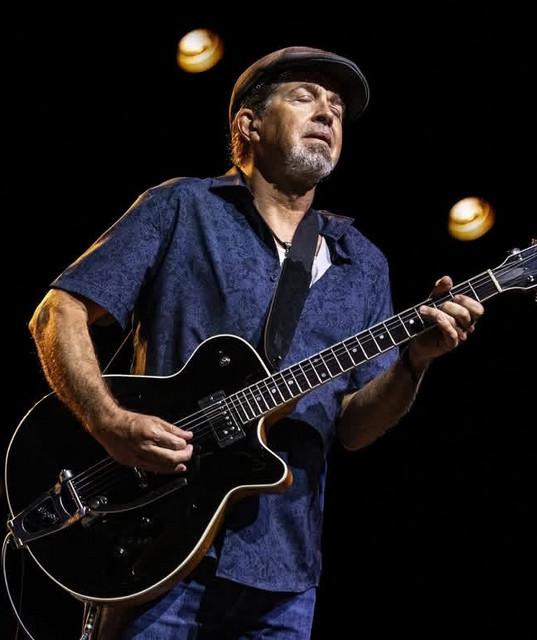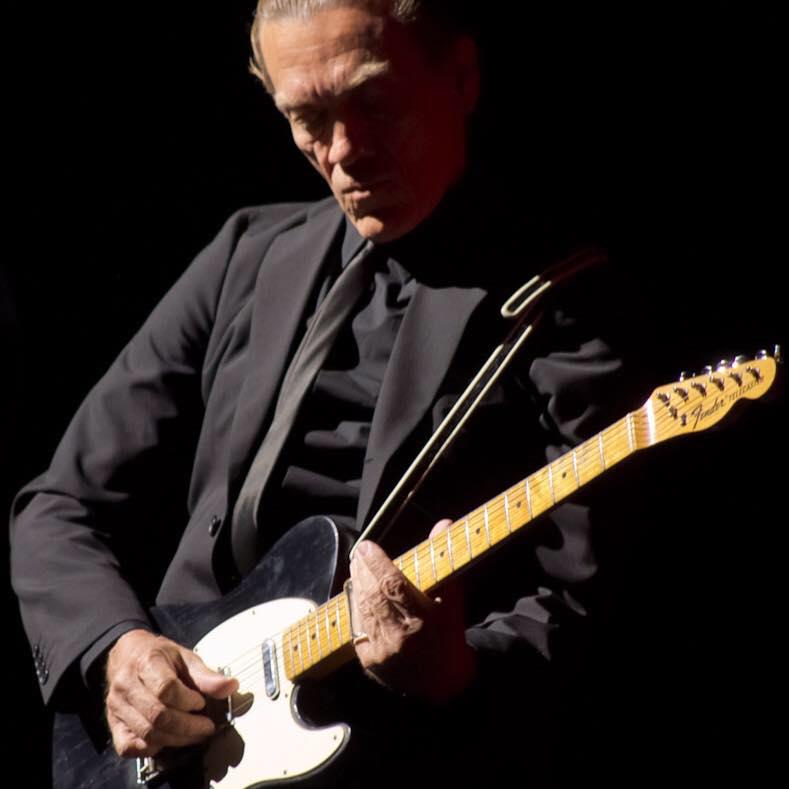
G. E. Smith

Blues
Blues Rock
Power Pop
 Viberate Rank: 223623
 Viberate Rank: 223623
 Monthly ListenersFollowers
 Subscribers
 Followers
 Followers
 FansTop Spotify SongsTop YouTube VideosMonthly ListenersFeatured in Playlists
| Playlist | Followers | |
|---|---|---|
1 |  The Departed Soundtrack (OST) Movie Soundtracks | 13.00K |
2 |  Martin Scorsese: Music From The Films Starfish & Coffee | 11.90K |
3 |  The Irishman - Official Movie Playlist Sony Music Masterworks | 4.21K |
4 |  film scores for studying, reading, and writing phoebe | 4.05K |
5 |  Grateful Dead Covers 🎯 ohiomatt77 | 3.51K |
Audience| City | Monthly Listeners | |
|---|---|---|
1 | | 18 |
2 | | 18 |
3 | | 16 |
4 | | 13 |
5 | | 12 |
See full performance history, audience data, playlist activity, rankings, comparisons, and more in Viberate music analytics. Start with a free trial, then continue with a paid plan.
G. E. Smith’s Spotify BioOne of the busiest and best-respected guitarists in the music business, G.E. Smith rarely works as a headliner, but as a session musician, sideman, and musical director, he's worked with some of the most prestigious artists in rock and blues. Known for his versatile style and stinging leads, Smith led the house band for Saturday Night Live from 1985 to 1995, toured with Daryl Hall & John Oates and Bob Dylan (among others), and played on sessions for artists such as David Bowie, Tom Waits, and Mick Jagger. As a frontman, Smith made his debut with the lean, new-wave-inflected rock of 1981's In the World, showed off his blues and roots influences on 1998's Incense, Herbs & Oils, and collaborated with full-bodied R&B vocalist Leroy Bell on 2020's Stony Hill.
G.E. Smith was born George Edward Haddad on January 27, 1952 in Scranton, Pennsylvania. Smith first picked up the guitar when he was four years old, and by the time he was seven, he was good enough that his uncle bought him a Martin… acoustic guitar. His initial influences were folk artists like Odetta and Josh White, and he later fell under the sway of Bob Dylan. His mother gave him his first electric guitar when he was 11, a Fender Telecaster made in the year of his birth. (He still has the guitar and plays it sometimes.) By the time he was in his mid-teens, Smith was gigging regularly, playing everything from school dances to elaborate stage shows at resort hotels in the Pocono Mountains. He regularly played East Coast venues with a combo called the Scratch Band, and was brought in for the sessions that produced Dan Hartman's 1978 album Instant Replay; when the title track became a hit, Hartman invited him to join him for a tour of Europe where they often simply mimed to the track for television broadcasts. In 1979, Smith joined the band for Gilda Radner's Broadway show Gilda Live; Smith would marry Radner in 1980, and they divorced in 1982.
In 1979, Smith signed on to play guitar with Daryl Hall & John Oates, both on the road and in the studio. The timing was fortunate; with the 1980 album Voices, Hall & Oates experienced a major career revival thanks to a run of hit singles (among them "Private Eyes," "Man Eater," "You Make My Dreams," and "Kiss on My List"), and he stayed with them until 1985, when the duo went on hiatus. During his time with Hall & Oates, he found time to cut a solo album, 1981's In the World. In July 1985, Smith was part of the band for the American Live Aid benefit concert, where he backed up Mick Jagger and Tina Turner, among others.
In 1985, Smith was tapped to become the new bandleader for the popular sketch comedy series Saturday Night Live, providing the opening and closing music, playing during breaks, and occasionally backing the musical guests. He also frequently invited some of his favorite guitarists to sit in with the band, among them Buddy Guy, Johnny Winter, and Eddie Van Halen. (He also had the honor of co-writing the theme for the recurring sketch "Wayne's World.") In 1992, Smith issued his second solo album, Get a Little, where he was backed by the SNL Band. In June 1988, Smith joined Bob Dylan's road band, often playing shows with Dylan during the week and flying back to New York to do SNL on the weekends; he stayed in the band until October 1990. He was also the musical director for the 1988 Emmy Awards, the Bob Dylan 30th Anniversary Concert at Madison Square Garden in 1992, the 1993 Rhythm & Blues Foundation Awards, as well as events at the Rock & Roll Hall of Fame. Smith left SNL in 1995, but as a last hurrah, he cut an album with Buddy Guy using the SNL Band as their backing band, Live: The Real Deal.
In 1998, Smith released a tough, bluesy solo effort, Incense, Herbs & Oils, and he continued to work as a musical director for major television events, including the Kennedy Center Honors and the Mark Twain Awards. In 1990, he married vocalist Taylor Barton, and he produced and played on several of her albums, including 1997's Thoroughbred, 1998's Skinny Kat, and 2002's Dry Land. From 2004 to 2006, Smith and his band regularly appeared at Cleveland Browns home games, providing entertainment for football fans and performing his theme song for the team, "Browntown." In 2010, Smith joined Roger Waters for a tour where they staged the classic Pink Floyd album The Wall; Smith was part of the show until 2013. In 2012 and 2016, he was the musical director for the Republican Party's national conventions, though he emphasized to reporters that he himself was not a member of the G.O.P. In 2015, Smith and Barton launched a concert series known as Portraits, in which they gave intimate performances with artists they admire examining the nature of the creative process; guests have included Billy Squier, Richard Thompson, and Ethan Hawke. In 2020, Smith and R&B vocalist Leroy Bell teamed up to record a soulful album titled Stony Hill. ~ Mark Deming, Rovi
Viberate is a music analytics platform built for A&Rs, artist managers, labels, booking agents, marketers, and artists.
It helps music professionals track artist growth, analyze audience data, monitor playlist activity, compare artists, follow song performance, and identify opportunities across the music market.
Public artist pages provide a free preview of selected artist data. Paid plans provide access to deeper analytics, historical data, charts, comparisons, playlist tools, exports, alerts, reports, and additional professional features.
Yes. Public Viberate artist pages provide selected artist analytics and music data for free.
Viberate also offers a 7-day free trial of the full platform. A credit card is required to start the trial. The trial includes access to the complete product so users can test deeper artist analytics, historical views, playlist insights, comparisons, charts, exports, alerts, and reporting features before choosing a paid plan.
Viberate provides artist analytics across streaming, playlists, social media, video, radio airplay, songs, and audience markets.
Users can analyze Spotify performance, Spotify and Apple Music playlists, YouTube activity, TikTok and Instagram growth, radio spins, song performance, audience locations, demographics, rankings, and overall artist momentum.
Artist profiles also connect to music charts, similar artists, and comparison tools, helping users benchmark performance and evaluate artists in context.
Viberate updates key artist and track data daily.
For followed artists and tracks, selected data is refreshed multiple times per day. This helps teams monitor playlist changes, streaming movement, audience growth, releases, and campaign performance with more current data.
Update frequency can vary depending on the metric and data source.
Yes. Viberate lets users compare up to five artists side by side across streaming, social media, audience, and engagement metrics.
Users can compare fanbase growth, audience demographics, locations, Spotify performance, social metrics, and other artist data over selected time periods.
Artist comparison can be used for A&R scouting, benchmarking, booking decisions, campaign planning, and evaluating artists with similar audiences or market positions.