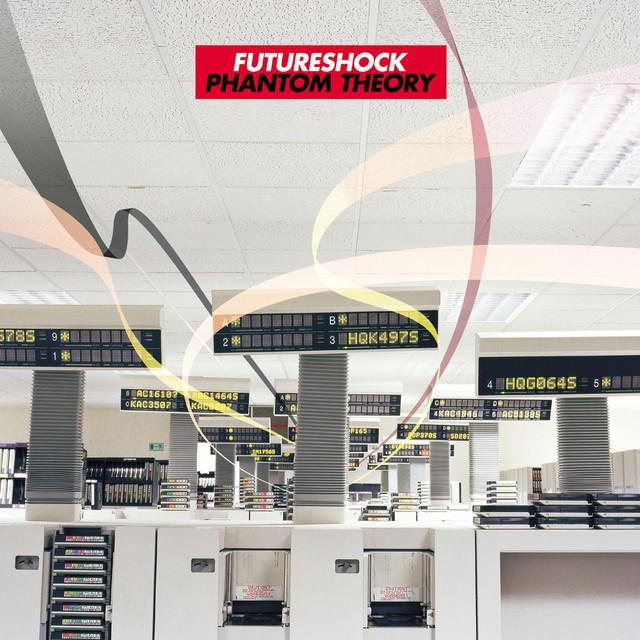
Futureshock

Electronic
Tech House
Progressive House
 Viberate Rank: 402080
 Viberate Rank: 402080
 Monthly ListenersFollowers
 Subscribers
 Followers
 Followers
 FansTop Spotify Songs
| Track | 7-Day Streams | |
|---|---|---|
1 | 923 | |
2 | 309 | |
3 | 239 | |
4 | 239 | |
5 | 185 |
Top YouTube VideosMonthly ListenersFeatured in Playlists| Playlist | Followers | |
|---|---|---|
1 |  Gatecrasher 1998 – 2001 dan85 | 9.22K |
2 |  Best of Trance and Progressive ainandre | 7.69K |
3 |  Young Marco's track IDs Spotify | 5.97K |
4 |  La X Electrónica 103.9 Clásicos Mauro | 5.75K |
5 |  BEST RETRO HOUSE BELGIUM Алексей Александрович🇷🇺🇧🇪 | 4.83K |
Audience| City | Monthly Listeners | |
|---|---|---|
1 |  | 213 |
2 | | 194 |
3 | | 193 |
4 | | 98 |
5 | | 86 |
See full performance history, audience data, playlist activity, rankings, comparisons, and more in Viberate music analytics. Start with a free trial, then continue with a paid plan.
Futureshock’s Spotify BioInveterate remixers in the midst of England's busy dance scene, Futureshock came up in the fold of the country's most respected dance label, Junior Boys Own, home to Underworld and the Chemical Brothers. Formed by Birmingham natives Alex Tepper and Phil Dockerty, the act initially raised its profile with remixes of Moby and Chemical Brothers, as well as a co-writing job with Underworld on the single "Question (Why Why Why)." Tepper and Dockerty's label Fuju began putting out Futureshock material in 2000, led by "Sparc," which popped up in sets from dozens of DJs including Carl Cox and Nick Warren. The duo's first full-length, Phantom Theory, appeared on Junior in March of 2003. ~ John Bush, Rovi
Viberate is a music analytics platform built for A&Rs, artist managers, labels, booking agents, marketers, and artists.
It helps music professionals track artist growth, analyze audience data, monitor playlist activity, compare artists, follow song performance, and identify opportunities across the music market.
Public artist pages provide a free preview of selected artist data. Paid plans provide access to deeper analytics, historical data, charts, comparisons, playlist tools, exports, alerts, reports, and additional professional features.
Yes. Public Viberate artist pages provide selected artist analytics and music data for free.
Viberate also offers a 7-day free trial of the full platform. A credit card is required to start the trial. The trial includes access to the complete product so users can test deeper artist analytics, historical views, playlist insights, comparisons, charts, exports, alerts, and reporting features before choosing a paid plan.
Viberate provides artist analytics across streaming, playlists, social media, video, radio airplay, songs, and audience markets.
Users can analyze Spotify performance, Spotify and Apple Music playlists, YouTube activity, TikTok and Instagram growth, radio spins, song performance, audience locations, demographics, rankings, and overall artist momentum.
Artist profiles also connect to music charts, similar artists, and comparison tools, helping users benchmark performance and evaluate artists in context.
Viberate updates key artist and track data daily.
For followed artists and tracks, selected data is refreshed multiple times per day. This helps teams monitor playlist changes, streaming movement, audience growth, releases, and campaign performance with more current data.
Update frequency can vary depending on the metric and data source.
Yes. Viberate lets users compare up to five artists side by side across streaming, social media, audience, and engagement metrics.
Users can compare fanbase growth, audience demographics, locations, Spotify performance, social metrics, and other artist data over selected time periods.
Artist comparison can be used for A&R scouting, benchmarking, booking decisions, campaign planning, and evaluating artists with similar audiences or market positions.