Furthermore, My Forest

Rock
Alternative Rock
 Viberate Rank: 925816
 Viberate Rank: 925816
 Monthly ListenersFollowers
 Subscribers
 Followers
 Followers
 FansTop Spotify Songs
| Track | 7-Day Streams | |
|---|---|---|
1 | 1 |
Top YouTube VideosMonthly ListenersFeatured in Playlists| Playlist | Followers | |
|---|---|---|
1 |  rock/oldies Aidan Burns | 1.36K |
Audience| City | Monthly Listeners | |
|---|---|---|
1 | | 3 |
See full performance history, audience data, playlist activity, rankings, comparisons, and more in Viberate music analytics. Start with a free trial, then continue with a paid plan.
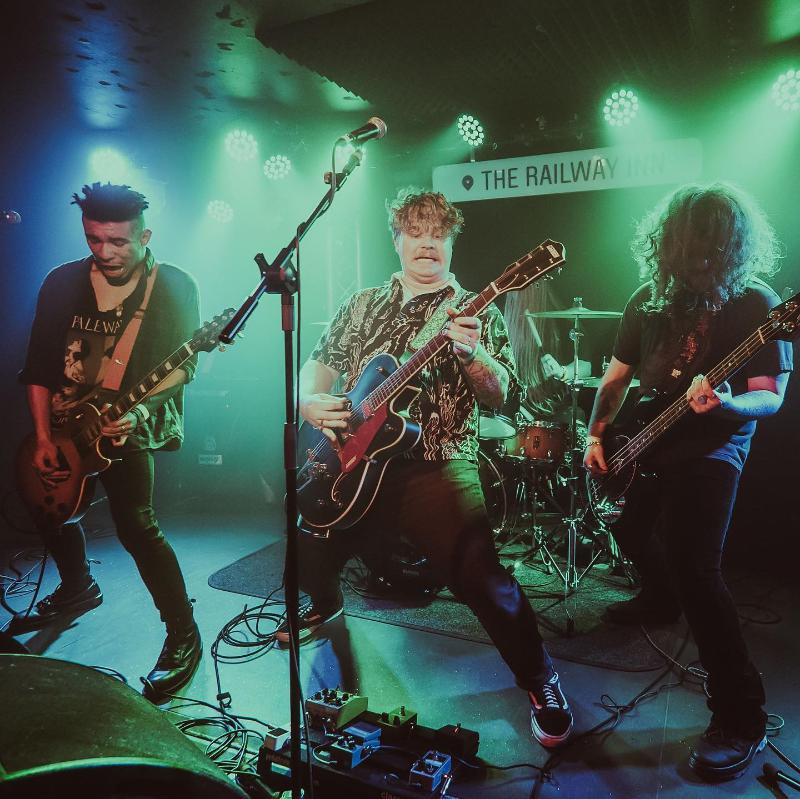
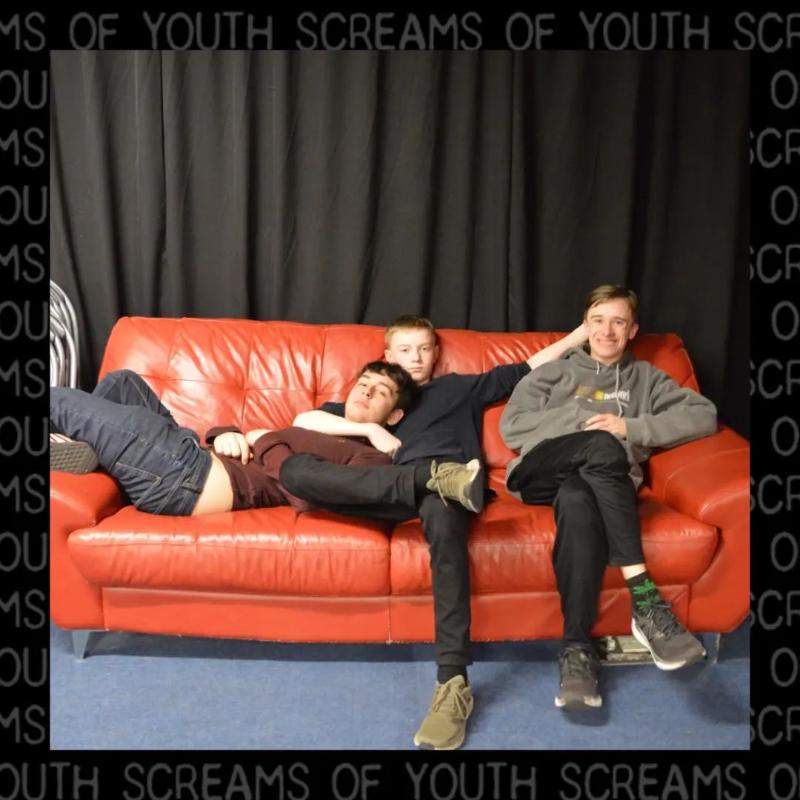
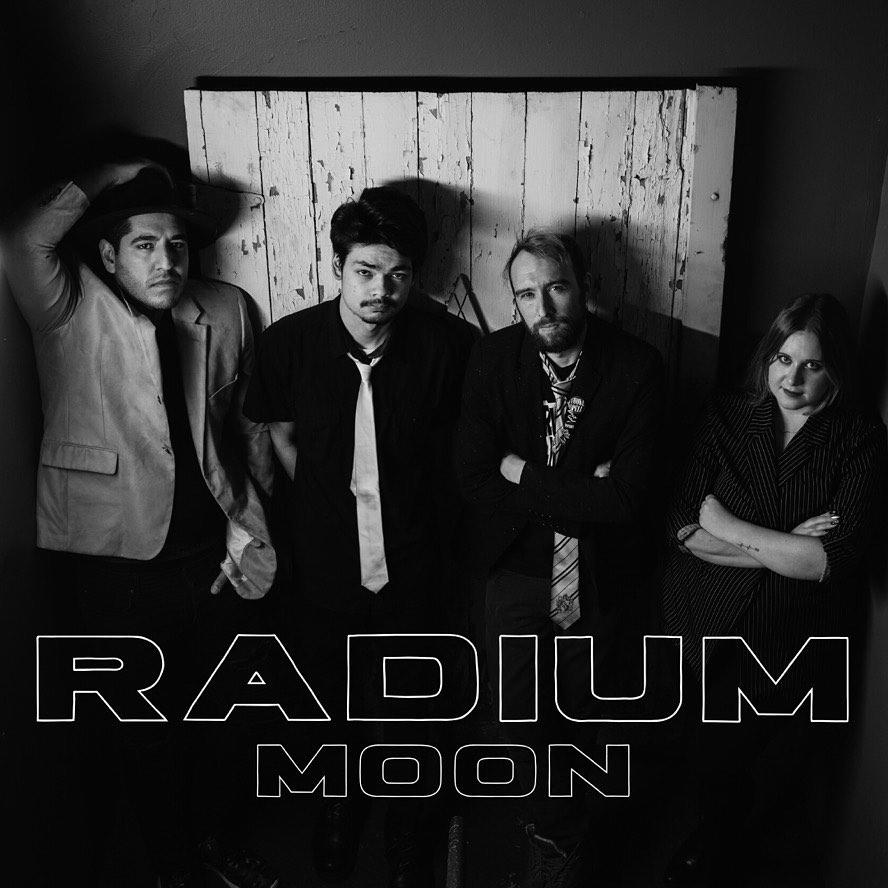
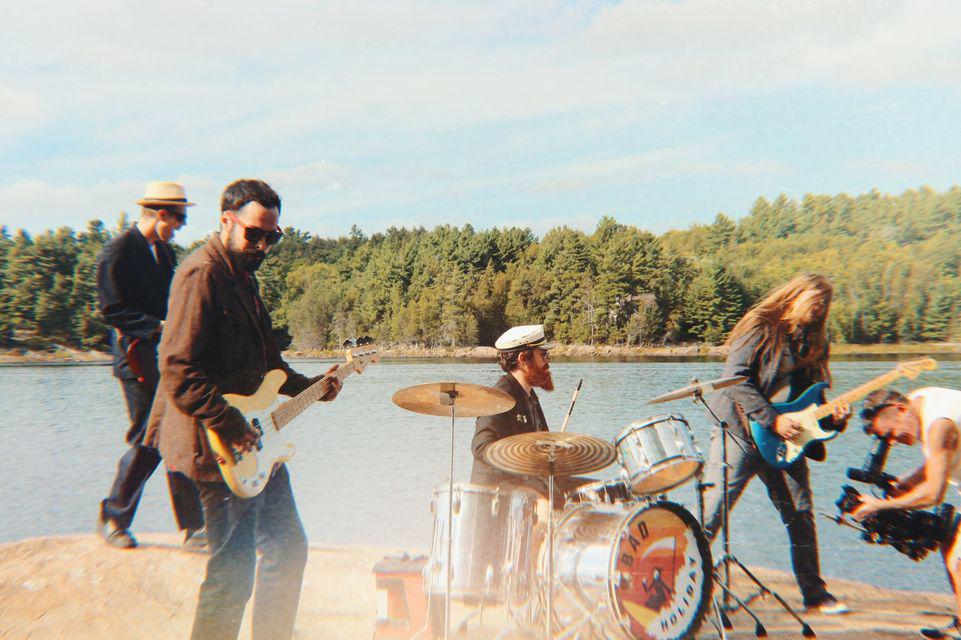
Furthermore, My Forest’s Spotify BioFurthermore, My Forest is a rock band out of ND, USA. They are known to take Rock and expand into different sub-genres. Overproduction sucks, they give you a vibe that takes you back. Their music is produced by the drummer Ash; they keep a humble sound of their own. Try not to judge off of one song due to the diversity of styles they dip into their songs. Originally forming in 2014 as a 2-piece, consisting of Dillon Peter and Ash Gordo. They started writing songs using an octave pedal for bass. In 2017 they added Jones for bass after feeling the need of another layer. Although they had the bass, he added more than bass to the sound. He provided exactly what they wanted, new chemistry. Between the three, they bought equipment to record and mix their music. Ash took on the lead on it; from recording, mixing, and mastering, to the band manager. Slowly getting their music into play, Ash learned the key points to music production and soon gets it down. Ash does what is necessary when it… comes to production, but often leaves things out due to his old school/analog interests taking over. After years of fans asking where the music is; they finally got it out. They started getting messages from acquaintances and strangers saying how much they love their music. After playing shows some realized that they really love music and want to share the experience with everyone through the music they create. It was once a love for music that turned into a love for making others feel.
Viberate is a music analytics platform built for A&Rs, artist managers, labels, booking agents, marketers, and artists.
It helps music professionals track artist growth, analyze audience data, monitor playlist activity, compare artists, follow song performance, and identify opportunities across the music market.
Public artist pages provide a free preview of selected artist data. Paid plans provide access to deeper analytics, historical data, charts, comparisons, playlist tools, exports, alerts, reports, and additional professional features.
Yes. Public Viberate artist pages provide selected artist analytics and music data for free.
Viberate also offers a 7-day free trial of the full platform. A credit card is required to start the trial. The trial includes access to the complete product so users can test deeper artist analytics, historical views, playlist insights, comparisons, charts, exports, alerts, and reporting features before choosing a paid plan.
Viberate provides artist analytics across streaming, playlists, social media, video, radio airplay, songs, and audience markets.
Users can analyze Spotify performance, Spotify and Apple Music playlists, YouTube activity, TikTok and Instagram growth, radio spins, song performance, audience locations, demographics, rankings, and overall artist momentum.
Artist profiles also connect to music charts, similar artists, and comparison tools, helping users benchmark performance and evaluate artists in context.
Viberate updates key artist and track data daily.
For followed artists and tracks, selected data is refreshed multiple times per day. This helps teams monitor playlist changes, streaming movement, audience growth, releases, and campaign performance with more current data.
Update frequency can vary depending on the metric and data source.
Yes. Viberate lets users compare up to five artists side by side across streaming, social media, audience, and engagement metrics.
Users can compare fanbase growth, audience demographics, locations, Spotify performance, social metrics, and other artist data over selected time periods.
Artist comparison can be used for A&R scouting, benchmarking, booking decisions, campaign planning, and evaluating artists with similar audiences or market positions.