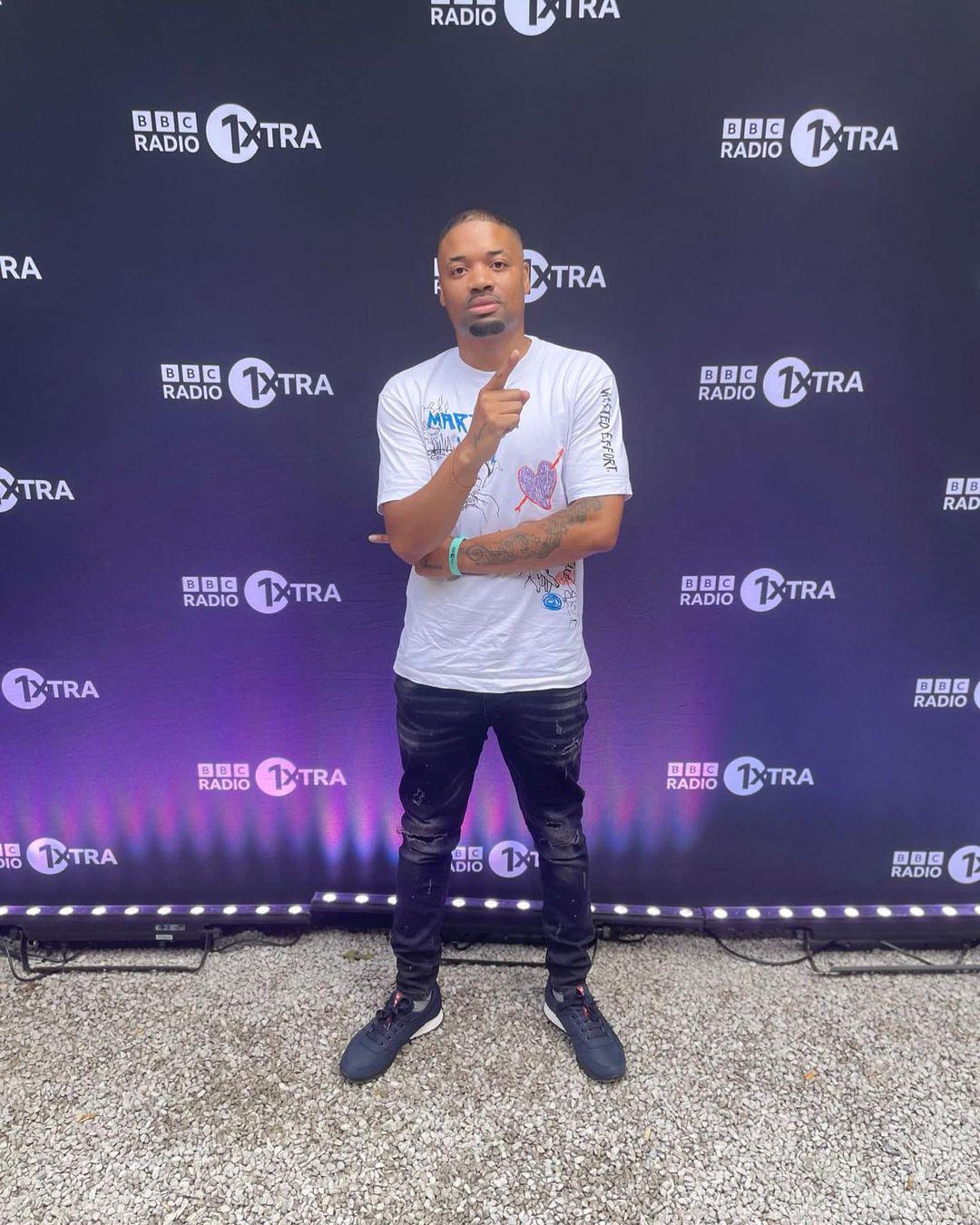
Funky Dee

Hip Hop
Alternative Hip Hop
House
 Viberate Rank: 210637
 Viberate Rank: 210637
 Monthly ListenersFollowers
 Subscribers
 Followers
 Followers
 FansTop Spotify Songs
| Track | 7-Day Streams | |
|---|---|---|
1 | 9.57K | |
2 | 535 | |
3 | 47 | |
4 | 39 | |
5 | 25 |
Top YouTube VideosMonthly ListenersFeatured in Playlists| Playlist | Followers | |
|---|---|---|
1 |  UK Funky Spotify | 109.98K |
2 | UK Funky Throwbacks JT | 33.99K |
3 | WORLD TOP LEVEL ARTIST Music Promo | 17.00K |
4 |  Disco House, Funk House & Nu Disco - New & Trending with Party Hard, Hey Hey, Mad In The Fete, Do... EDM Charts | 12.51K |
5 | UK Rap/Grime Classics Mikesh | 12.04K |
Audience| City | Monthly Listeners | |
|---|---|---|
1 | | 4.67K |
2 | | 1.54K |
3 | | 1.38K |
4 | | 480 |
5 | | 328 |
See full performance history, audience data, playlist activity, rankings, comparisons, and more in Viberate music analytics. Start with a free trial, then continue with a paid plan.
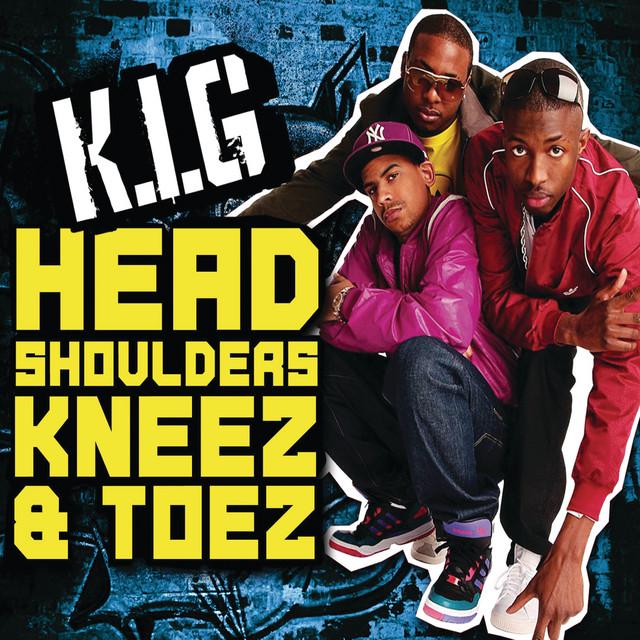
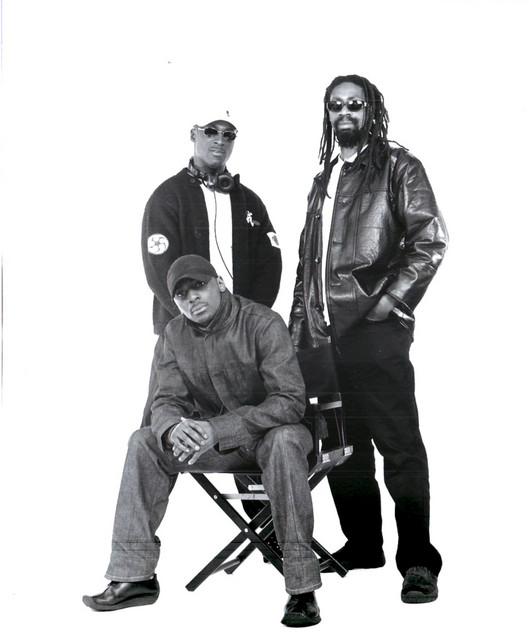
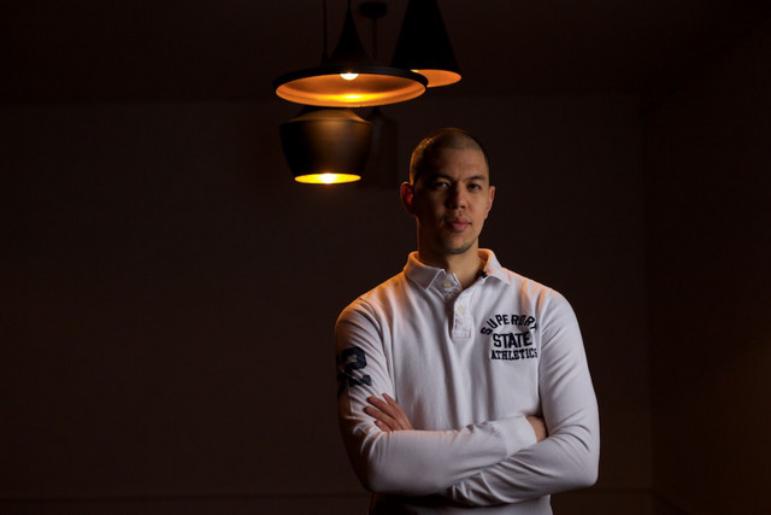
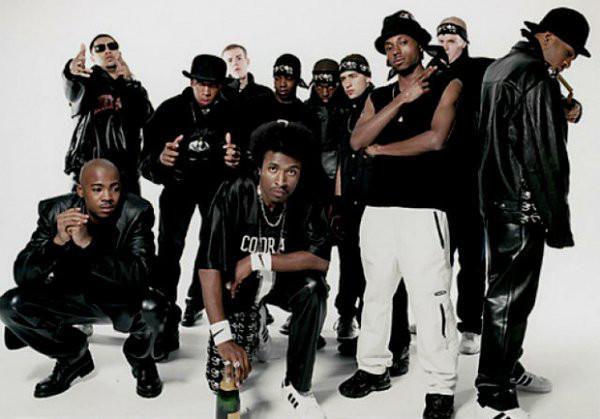
Funky Dee’s Spotify BioInitially known to listeners as Firmer Dee, first carved a name for himself in the grime scene from the genre's infancy, around 2004. An early member of Lewisham crew Fatal Assassins alongside the likes of P Money and Little Dee, he quickly drummed up a cult following, enthusing audiences with his iconic catchphrases and light-hearted ad-libs.
It was in 2009, however, that the Deptford resident found his big break – as a standout figure of the then-fledgling UK funky genre. Changing his stage name to Funky Dee to reflect his new direction, he achieved viral success with the Universal-signed "Are You Gunna Bang Doe?", which remains in heavy rotation at international clubbing destinations like Ayia Napa and Ibiza to this day.
Smith has always continued to make grime, even alongside his more commercial ventures. He mentored Grim Sickers prior to their 2018 fallout, which saw him release two diss tracks on the 'Best of Both Worlds' EP alongside new collaborations with the likes of Wiley and …Rawza. In 2019, he was heavily involved in curating Jammer's Lord of the Mics VIII series of clashes, and he himself had a showdown with Hertfordshire's Mischief Artist for the DVD. This spawned a new sound effect that's been earning him wheel-ups ever since: "Kooong"!
Viberate is a music analytics platform built for A&Rs, artist managers, labels, booking agents, marketers, and artists.
It helps music professionals track artist growth, analyze audience data, monitor playlist activity, compare artists, follow song performance, and identify opportunities across the music market.
Public artist pages provide a free preview of selected artist data. Paid plans provide access to deeper analytics, historical data, charts, comparisons, playlist tools, exports, alerts, reports, and additional professional features.
Yes. Public Viberate artist pages provide selected artist analytics and music data for free.
Viberate also offers a 7-day free trial of the full platform. A credit card is required to start the trial. The trial includes access to the complete product so users can test deeper artist analytics, historical views, playlist insights, comparisons, charts, exports, alerts, and reporting features before choosing a paid plan.
Viberate provides artist analytics across streaming, playlists, social media, video, radio airplay, songs, and audience markets.
Users can analyze Spotify performance, Spotify and Apple Music playlists, YouTube activity, TikTok and Instagram growth, radio spins, song performance, audience locations, demographics, rankings, and overall artist momentum.
Artist profiles also connect to music charts, similar artists, and comparison tools, helping users benchmark performance and evaluate artists in context.
Viberate updates key artist and track data daily.
For followed artists and tracks, selected data is refreshed multiple times per day. This helps teams monitor playlist changes, streaming movement, audience growth, releases, and campaign performance with more current data.
Update frequency can vary depending on the metric and data source.
Yes. Viberate lets users compare up to five artists side by side across streaming, social media, audience, and engagement metrics.
Users can compare fanbase growth, audience demographics, locations, Spotify performance, social metrics, and other artist data over selected time periods.
Artist comparison can be used for A&R scouting, benchmarking, booking decisions, campaign planning, and evaluating artists with similar audiences or market positions.