F.S.K.

Rock
Alternative Rock
Volksmusik/Alpine Folk
 Viberate Rank: 286200
 Viberate Rank: 286200
 Monthly ListenersFollowers
 Subscribers
 Followers
 Followers
 FansTop Spotify Songs
| Track | 7-Day Streams | |
|---|---|---|
1 | 1.59K | |
2 | 154 | |
3 | 150 | |
4 | 123 | |
5 | 83 |
Top YouTube VideosMonthly ListenersFeatured in Playlists| Playlist | Followers | |
|---|---|---|
1 | Unofficial Reverb Radio Jeff Ferruzzo | 21.82K |
2 |  Songs for German Learners! duolingo | 17.74K |
3 |  TOP 100 - NDW radioeins | 9.97K |
4 |  Surf rock/psychadelic/jingly jangly Sam Gbr Vy | 8.46K |
5 |  obscure gems sheyla saric | 6.40K |
Audience| City | Monthly Listeners | |
|---|---|---|
1 | | 729 |
2 | | 278 |
3 |  | 244 |
4 | | 236 |
5 | | 228 |
See full performance history, audience data, playlist activity, rankings, comparisons, and more in Viberate music analytics. Start with a free trial, then continue with a paid plan.
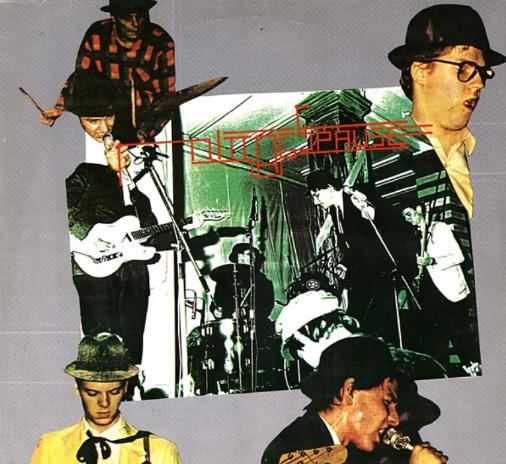
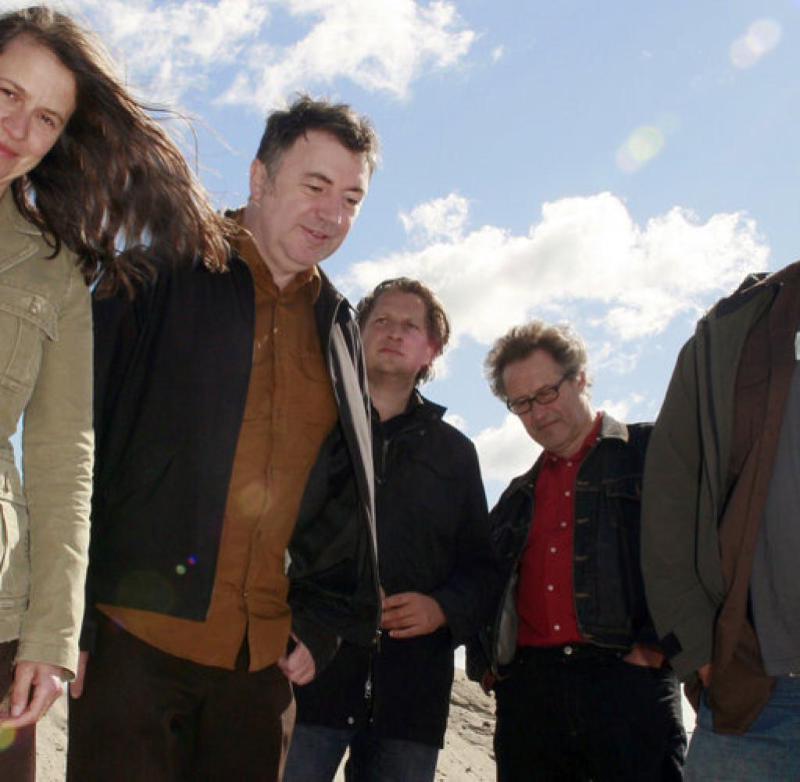
F.S.K.’s Spotify BioThere are few other rock bands of the late 20th century as difficult to categorize as F.S.K. There are few other bands that are as downright strange as this German outfit. Polka, yodels, and country & western combine with post-punk, noise-rock, electronics, and obtuse lyrics, sung in both English and German. The combination of parody and reverence of various forms of roots music has generated comparisons to the Mekons; at times it is difficult to tell when the commentary stops and the jokes begin. Even within the same album, different tracks can sound like the work of entirely different ensembles, which makes the group even more resistant to easy audience identification.
F.S.K. were formed by staff members of a German underground magazine in 1980 (the initials stand for Freiwillige Selbstkontrolle, which translates to English as "voluntary self-control"). While their first few releases were in a somewhat noisily bleak German post-punk vein, by the mid-'80s they had, to the confusion of… much of the audience they had cultivated, begun to investigate Central European and American folk styles. Originally dressing themselves in German surplus army clothing, they shed those skins for deliberately unassuming jeans and checked shirts. The electric instruments were augmented by brass and accordion. The lyrics remained (as they do to this day) full of tongue-in-cheek irony, including yodels for German politicians and free jazz guitarist Sonny Sharrock. Their choice of cover material seemed willfully perverse, whether it was "I Wish I Could Sprechen Sie Deutsch," MOR German bandleader Bert Kaempfert, or cult American funkster Swamp Dogg.
In the mid-'80s the group picked up an influential fan in British DJ John Peel, who had F.S.K. on his BBC show more times than any other non-British band. Camper Van Beethoven/Cracker mainstay David Lowery found an affinity with the group's zany approach to roots rock, and ended up producing the band, as well as becoming a member of sorts (though Lowery's chief project remained Cracker). By the mid-'90s they had an American deal with Flying Fish, a label far more renowned for bluegrass and folk acts. Despite such friends in high places, F.S.K. remain very much a cult band. Most of their records (and there are many) are very hard to find in the U.S., for one thing, and their audience seems to chiefly consist of fellow musicians and rock critics. If Americans have heard of them at all, it's likely because of their association with Lowery, though actually his presence in F.S.K. has changed the band's skewed vision little. ~ Richie Unterberger, Rovi
Viberate is a music analytics platform built for A&Rs, artist managers, labels, booking agents, marketers, and artists.
It helps music professionals track artist growth, analyze audience data, monitor playlist activity, compare artists, follow song performance, and identify opportunities across the music market.
Public artist pages provide a free preview of selected artist data. Paid plans provide access to deeper analytics, historical data, charts, comparisons, playlist tools, exports, alerts, reports, and additional professional features.
Yes. Public Viberate artist pages provide selected artist analytics and music data for free.
Viberate also offers a 7-day free trial of the full platform. A credit card is required to start the trial. The trial includes access to the complete product so users can test deeper artist analytics, historical views, playlist insights, comparisons, charts, exports, alerts, and reporting features before choosing a paid plan.
Viberate provides artist analytics across streaming, playlists, social media, video, radio airplay, songs, and audience markets.
Users can analyze Spotify performance, Spotify and Apple Music playlists, YouTube activity, TikTok and Instagram growth, radio spins, song performance, audience locations, demographics, rankings, and overall artist momentum.
Artist profiles also connect to music charts, similar artists, and comparison tools, helping users benchmark performance and evaluate artists in context.
Viberate updates key artist and track data daily.
For followed artists and tracks, selected data is refreshed multiple times per day. This helps teams monitor playlist changes, streaming movement, audience growth, releases, and campaign performance with more current data.
Update frequency can vary depending on the metric and data source.
Yes. Viberate lets users compare up to five artists side by side across streaming, social media, audience, and engagement metrics.
Users can compare fanbase growth, audience demographics, locations, Spotify performance, social metrics, and other artist data over selected time periods.
Artist comparison can be used for A&R scouting, benchmarking, booking decisions, campaign planning, and evaluating artists with similar audiences or market positions.