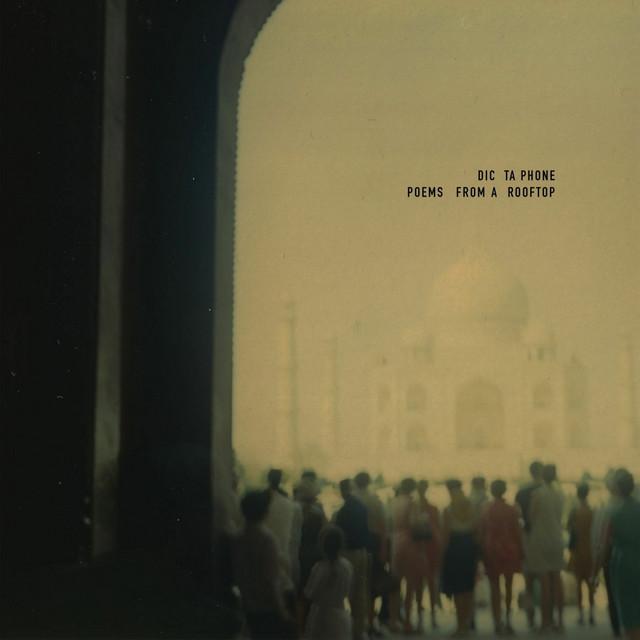
F.S. Blumm

Classical
Classical Crossover
Neoclassical
 Viberate Rank: 179236
 Viberate Rank: 179236
 Monthly ListenersFollowers
 Subscribers
 Followers
 Followers
 FansTop Spotify Songs
| Track | 7-Day Streams | |
|---|---|---|
1 | 2.20K | |
2 | 1.58K | |
3 | 1.25K | |
4 | 1.09K | |
5 | 744 |
Top YouTube VideosMonthly ListenersFeatured in Playlists| Playlist | Followers | |
|---|---|---|
1 |  Electronic X Spotify | 134.82K |
2 | The Kajitsu Playlist nytimes | 131.49K |
3 |  NPR All Songs Considered - The Bob Boilen years (unofficial) Fri Tsch | 30.02K |
4 |  LoFi, Chill et Relax, concentration, deep focus Topsify France | 29.52K |
5 |  Ryuichi Sakamoto 坂本 龍一 The Kajitsu Restaurant Playlist gh_cl | 22.03K |
Audience| City | Monthly Listeners | |
|---|---|---|
1 | | 503 |
2 |  | 427 |
3 |  | 258 |
4 |  | 245 |
5 |  | 235 |
See full performance history, audience data, playlist activity, rankings, comparisons, and more in Viberate music analytics. Start with a free trial, then continue with a paid plan.
F.S. Blumm’s Spotify BioBerlin resident Frank Schültge Blumm, who composes adventurous, intricate music using a variety of acoustic and electronic instruments, describes himself as an "ear worker." Born in Bremen on July 16, 1968, Blumm studied music art, educational science, and classical guitar. His early projects focused on noise (Blumm's way of rebelling against the classical guitar), but his work became more structured once he became interested in radio plays. A move to Berlin in 1997 found Blumm collaborating more, most notably with Harald "Sack" Ziegler for the Sack & Blumm project, and his radio plays were broadcast across Germany. Having already released records on the Staubgold, Gefriem, and Audio Dregs labels, Blumm came to most people's attention in 2001 when he released Mondkuchen, one of the first "acoustic" records on Morr Music, which had generally released electronic music up to that point. In 2002, Staubgold released his dreamy Ankern album, but he returned to Morr for 2005's Zweite Meer and… 2006's Summer Kling (Audio Dregs also issued Lichten in 2005).
Numerous collaborations followed, including a 2007 release with trumpeter Luca Fadda, singles with Anne Laplantine and David Grubbs, and an album with vocalist Jana Plewa under the name Old Splendifolia. Additionally, Blumm and Ellinor Blixt (aka Bobby Baby) released two albums as Bobby & Blumm, and Blumm joined Fadda and Jason Candler in the reggae-inspired Quasi Dub Development project. Blumm also began releasing a series of experimental albums with famed German pianist Nils Frahm. The solo full-length Up Up and Astray appeared on Pingipung in 2013; the label also issued Blumm's subsequent collaborations with Springintgut (The Bird and White Noise) and Hey (Riddims and Biscuits). Welcome, an album of laid-back, intimate electro-acoustic indie pop, was released by Karaoke Kalk in 2017. ~ David Jeffries & Paul Simpson, Rovi
Viberate is a music analytics platform built for A&Rs, artist managers, labels, booking agents, marketers, and artists.
It helps music professionals track artist growth, analyze audience data, monitor playlist activity, compare artists, follow song performance, and identify opportunities across the music market.
Public artist pages provide a free preview of selected artist data. Paid plans provide access to deeper analytics, historical data, charts, comparisons, playlist tools, exports, alerts, reports, and additional professional features.
Yes. Public Viberate artist pages provide selected artist analytics and music data for free.
Viberate also offers a 7-day free trial of the full platform. A credit card is required to start the trial. The trial includes access to the complete product so users can test deeper artist analytics, historical views, playlist insights, comparisons, charts, exports, alerts, and reporting features before choosing a paid plan.
Viberate provides artist analytics across streaming, playlists, social media, video, radio airplay, songs, and audience markets.
Users can analyze Spotify performance, Spotify and Apple Music playlists, YouTube activity, TikTok and Instagram growth, radio spins, song performance, audience locations, demographics, rankings, and overall artist momentum.
Artist profiles also connect to music charts, similar artists, and comparison tools, helping users benchmark performance and evaluate artists in context.
Viberate updates key artist and track data daily.
For followed artists and tracks, selected data is refreshed multiple times per day. This helps teams monitor playlist changes, streaming movement, audience growth, releases, and campaign performance with more current data.
Update frequency can vary depending on the metric and data source.
Yes. Viberate lets users compare up to five artists side by side across streaming, social media, audience, and engagement metrics.
Users can compare fanbase growth, audience demographics, locations, Spotify performance, social metrics, and other artist data over selected time periods.
Artist comparison can be used for A&R scouting, benchmarking, booking decisions, campaign planning, and evaluating artists with similar audiences or market positions.