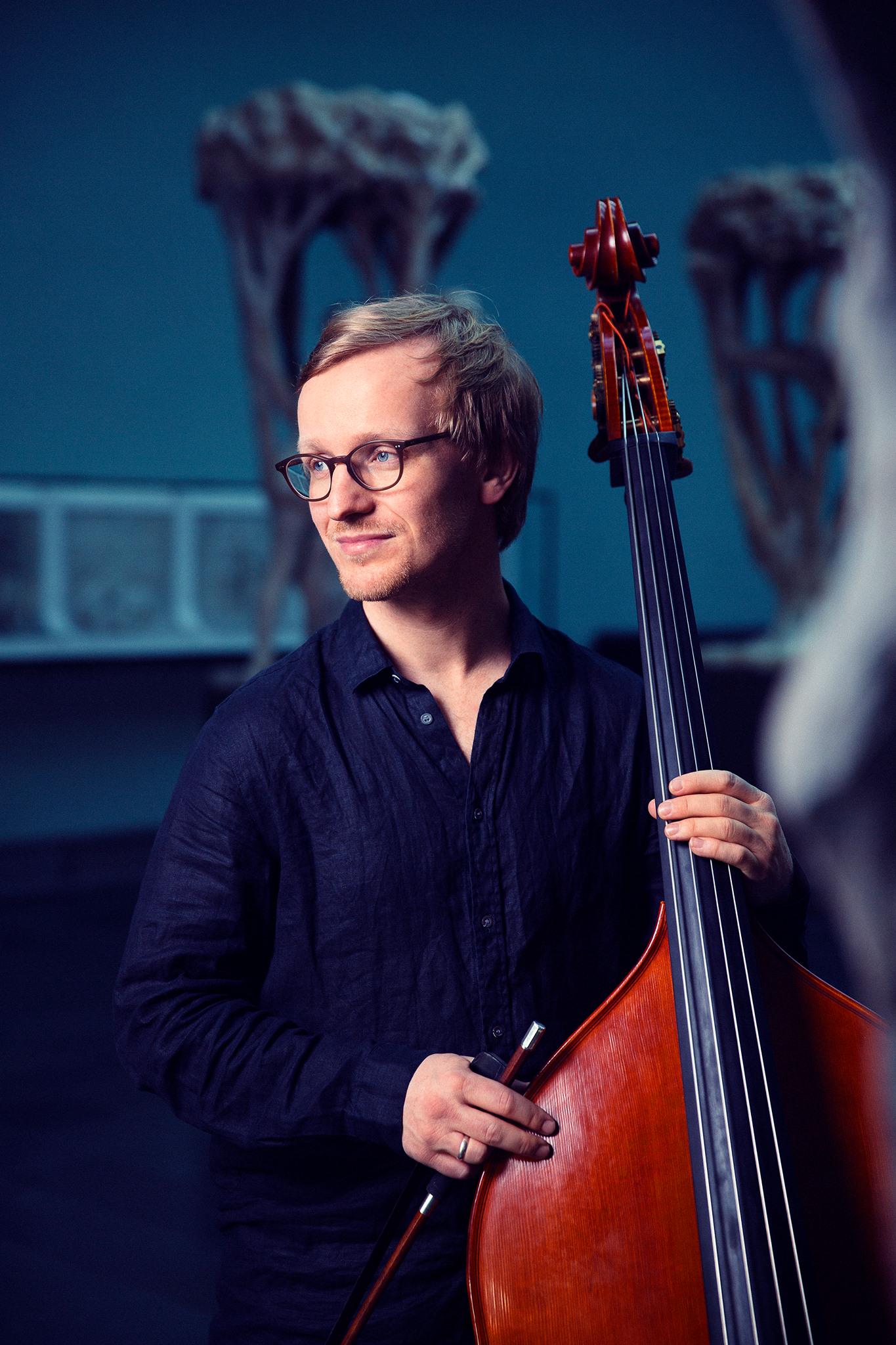
Frode Haltli

Jazz
Avant-garde Jazz
Chamber Music
 Viberate Rank: 376860
 Viberate Rank: 376860
 Monthly ListenersFollowers
 Subscribers
 Followers
 Followers
 FansTop Spotify Songs
| Track | 7-Day Streams | |
|---|---|---|
1 | 159 | |
2 | 143 | |
3 | 112 | |
4 | 46 | |
5 | 45 |
Top YouTube VideosMonthly ListenersFeatured in Playlists| Playlist | Followers | |
|---|---|---|
1 |  ECM New & Forthcoming ECM Records | 9.44K |
2 |  SKAM sesong 1-2-3-4 Christina | 6.75K |
3 | The Guardian: soothing songs to self-isolate with Guardian Music | 6.58K |
4 |  ECM Records: 1001 - 1999 Ulysses' Classical | 6.46K |
5 |  ECM Yves Riviere | 5.39K |
Audience| City | Monthly Listeners | |
|---|---|---|
1 | | 176 |
2 | | 31 |
3 |  | 28 |
4 | | 22 |
5 | | 19 |
See full performance history, audience data, playlist activity, rankings, comparisons, and more in Viberate music analytics. Start with a free trial, then continue with a paid plan.
Frode Haltli’s Spotify BioFrode Haltli (b. 1975, Norway) began playing the accordion at the age of seven. In his early years he won numerous national contests, and studied at the Norwegian State Academy of Music, and at the Royal Danish Music Conservatory in Copenhagen. In 2001 the Norwegian Concert Institute named him Young Soloist Of The Year.
He has through years released several albums with like-minded musicians such as the trio POING (with Rolf-Erik Nystrøm and Håkon Thelin), Trygve Seim, Håkon Kornstad, traditional players, and most notably his own ensemble Avant Folk.
Haltli has worked with several composers who have written especially for him; Maja S.K. Ratkje, Bent Sørensen, Atli Ingólfsson, Hans Abrahamsen, Jo Kondo, and others. He has appeared as a soloist with orchestras and worked with iconic ensembles such as the Arditti and the Vertavo quartets, and the Neue Vocalsolisten Stuttgart.
His debut CD ‘Looking on Darkness’ was released on ECM New Series in 2002. He has since released several albums ECM,… Hubro, Jazzland and other quality labels. In 2020 he released ‘Selected Solo Works, Vol. 1-3’ with contemporary works for accordion on the family-run label Svartskog Music Production.
On his 2007 recording ’Passing Images’ (ECM), Haltli is joined Arve Henriksen, Garth Knox, and Maja S.K. Ratkje, for a selection of lyrical explorations of Norwegian folk themes couched in the form of contemporary improvised music. He has developed this theme further on several albums.
Viberate is a music analytics platform built for A&Rs, artist managers, labels, booking agents, marketers, and artists.
It helps music professionals track artist growth, analyze audience data, monitor playlist activity, compare artists, follow song performance, and identify opportunities across the music market.
Public artist pages provide a free preview of selected artist data. Paid plans provide access to deeper analytics, historical data, charts, comparisons, playlist tools, exports, alerts, reports, and additional professional features.
Yes. Public Viberate artist pages provide selected artist analytics and music data for free.
Viberate also offers a 7-day free trial of the full platform. A credit card is required to start the trial. The trial includes access to the complete product so users can test deeper artist analytics, historical views, playlist insights, comparisons, charts, exports, alerts, and reporting features before choosing a paid plan.
Viberate provides artist analytics across streaming, playlists, social media, video, radio airplay, songs, and audience markets.
Users can analyze Spotify performance, Spotify and Apple Music playlists, YouTube activity, TikTok and Instagram growth, radio spins, song performance, audience locations, demographics, rankings, and overall artist momentum.
Artist profiles also connect to music charts, similar artists, and comparison tools, helping users benchmark performance and evaluate artists in context.
Viberate updates key artist and track data daily.
For followed artists and tracks, selected data is refreshed multiple times per day. This helps teams monitor playlist changes, streaming movement, audience growth, releases, and campaign performance with more current data.
Update frequency can vary depending on the metric and data source.
Yes. Viberate lets users compare up to five artists side by side across streaming, social media, audience, and engagement metrics.
Users can compare fanbase growth, audience demographics, locations, Spotify performance, social metrics, and other artist data over selected time periods.
Artist comparison can be used for A&R scouting, benchmarking, booking decisions, campaign planning, and evaluating artists with similar audiences or market positions.