Freternia

Metal
Power Metal
 Viberate Rank: 323746
 Viberate Rank: 323746
 Monthly ListenersFollowers
 Subscribers
 Followers
 Followers
 FansTop Spotify Songs
| Track | 7-Day Streams | |
|---|---|---|
1 | 303 | |
2 | 160 | |
3 | 133 | |
4 | 101 | |
5 | 88 |
Top YouTube VideosMonthly ListenersFeatured in Playlists| Playlist | Followers | |
|---|---|---|
1 |  Power Metal Essentials tunesofmetal | 21.23K |
2 | Power Metal Robin | 4.03K |
3 | Power Metal - Ultimate Mix Kim Arefäll | 3.15K |
4 |  Dungeons and Dragons: Metal Edition swtgagrl2184 | 3.05K |
5 |  Best of Power Metal rikkukun | 2.64K |
Audience| City | Monthly Listeners | |
|---|---|---|
1 | | 42 |
2 | | 39 |
3 |  | 33 |
4 |  | 31 |
5 |  | 31 |
See full performance history, audience data, playlist activity, rankings, comparisons, and more in Viberate music analytics. Start with a free trial, then continue with a paid plan.
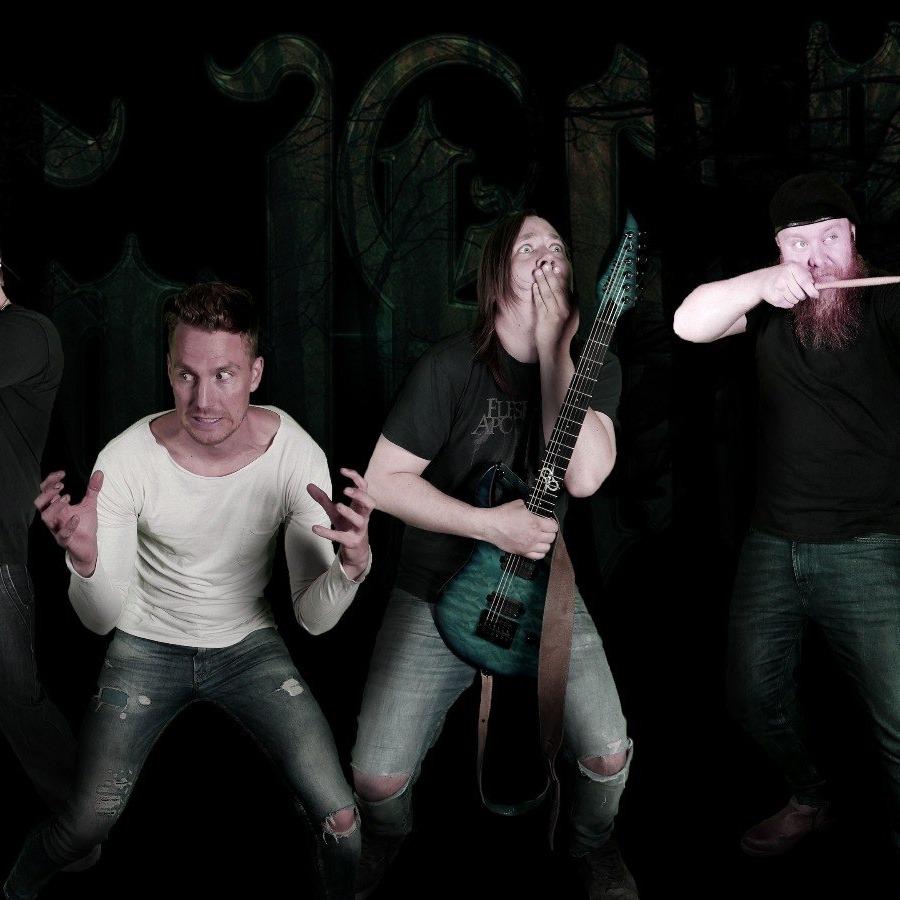
Freternia’s Spotify BioIn the mighty first wave of Swedish heavy/power metal bands, together with bands like HammerFall, Nocturnal Rites and Lost Horizon, Freternia was created in 1998.
After a split EP, and 2 full length albums, the band slowly dissolved in 2003. But the band officially never split up, and after a get together in 2017 (and under the influence of some bottles of rom) the old members realised that 2018 would mark the 20th anniversary of the band.
Since the band dissolved the band’s music has lived its own life at social medias, with a strong following in South America. Not to mention that the fan video to the ballad ”The Dragon Song” now has over 420 000 streams at YouTube.
Now signed to ROAR Rock of Angels Records Freternia are back with a third album and a stronger line-up than ever.
Members
Pasi Humppi – vocals
Patrik von Porat – lead guitar
Tomas Wäppling – guitar
Tommie Johansson – keyboard
Nicklas von Porat – bass
Oskar Lumbojev – drums
Viberate is a music analytics platform built for A&Rs, artist managers, labels, booking agents, marketers, and artists.
It helps music professionals track artist growth, analyze audience data, monitor playlist activity, compare artists, follow song performance, and identify opportunities across the music market.
Public artist pages provide a free preview of selected artist data. Paid plans provide access to deeper analytics, historical data, charts, comparisons, playlist tools, exports, alerts, reports, and additional professional features.
Yes. Public Viberate artist pages provide selected artist analytics and music data for free.
Viberate also offers a 7-day free trial of the full platform. A credit card is required to start the trial. The trial includes access to the complete product so users can test deeper artist analytics, historical views, playlist insights, comparisons, charts, exports, alerts, and reporting features before choosing a paid plan.
Viberate provides artist analytics across streaming, playlists, social media, video, radio airplay, songs, and audience markets.
Users can analyze Spotify performance, Spotify and Apple Music playlists, YouTube activity, TikTok and Instagram growth, radio spins, song performance, audience locations, demographics, rankings, and overall artist momentum.
Artist profiles also connect to music charts, similar artists, and comparison tools, helping users benchmark performance and evaluate artists in context.
Viberate updates key artist and track data daily.
For followed artists and tracks, selected data is refreshed multiple times per day. This helps teams monitor playlist changes, streaming movement, audience growth, releases, and campaign performance with more current data.
Update frequency can vary depending on the metric and data source.
Yes. Viberate lets users compare up to five artists side by side across streaming, social media, audience, and engagement metrics.
Users can compare fanbase growth, audience demographics, locations, Spotify performance, social metrics, and other artist data over selected time periods.
Artist comparison can be used for A&R scouting, benchmarking, booking decisions, campaign planning, and evaluating artists with similar audiences or market positions.