Fredo Viola

Rock
Indie Rock
Indie Pop
 Viberate Rank: 319027
 Viberate Rank: 319027
 Monthly ListenersFollowers
 Subscribers
 Followers
 Followers
 FansTop Spotify Songs
| Track | 7-Day Streams | |
|---|---|---|
1 | 422 | |
2 | 335 | |
3 | 222 | |
4 | 29 | |
5 | 16 |
Top YouTube VideosMonthly ListenersFeatured in Playlists| Playlist | Followers | |
|---|---|---|
1 |  The O.C. Complete Series Chronological Playlist Ben Brockman | 11.18K |
2 | Lou Isa | 8.39K |
3 | Music From The OC knicotera | 6.90K |
4 |  KCRW Morning Becomes Eclectic Juan Vargas | 5.59K |
5 | Music from The OC (literally all of it) leah docktor | 2.60K |
Audience| City | Monthly Listeners | |
|---|---|---|
1 |  | 52 |
2 |  | 33 |
3 |  | 30 |
4 | | 28 |
5 |  | 26 |
See full performance history, audience data, playlist activity, rankings, comparisons, and more in Viberate music analytics. Start with a free trial, then continue with a paid plan.
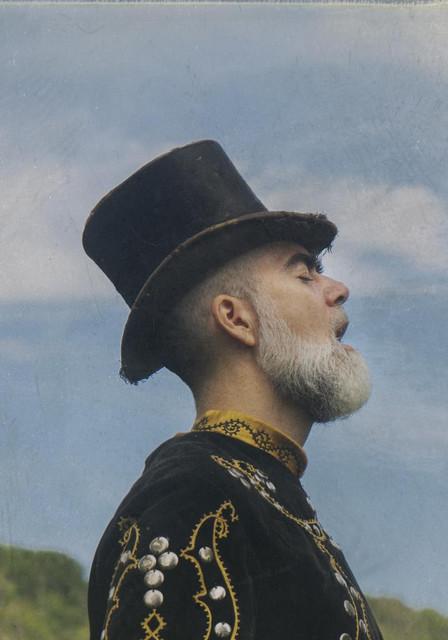
Fredo Viola’s Spotify BioExperimental indie rocker and artist Fredo Viola was born in London and spent the first five years of his life living in England and Rome. His family then relocated to the United States, spending time in New York City before finally settling in Los Angeles. While there, Viola sang professionally as a boy soprano; when his voice changed, he shifted his focus to art. He returned to New York to attend the Tisch School of the Arts and studied to be a film director. During this time, Viola discovered the composers Bartók, Shostakovich, and Stravinsky, which led to an interest in Benjamin Britten, Mozart, and Alfred Schnittke. He was also influenced by electronic acts such as Boards of Canada and Amon Tobin, which would combine with his classical interests to inform his own compositions. After graduation, Viola pursued a career in editing and animation design, allowing him the money to build his own home recording studio. In 2004, one of his songs was licensed for use in the Jonathan Demme… film The Manchurian Candidate. Soon after, Viola made his first music video for one of his compositions, "The Sad Song." The video debuted on the Internet and caught the attention of Roger Ebert, Massive Attack, and Neil Gaiman, among others. Viola signed with French independent label Because Music in 2006 and made plans to release his debut album in 2008. ~ Katherine Fulton, Rovi
Viberate is a music analytics platform built for A&Rs, artist managers, labels, booking agents, marketers, and artists.
It helps music professionals track artist growth, analyze audience data, monitor playlist activity, compare artists, follow song performance, and identify opportunities across the music market.
Public artist pages provide a free preview of selected artist data. Paid plans provide access to deeper analytics, historical data, charts, comparisons, playlist tools, exports, alerts, reports, and additional professional features.
Yes. Public Viberate artist pages provide selected artist analytics and music data for free.
Viberate also offers a 7-day free trial of the full platform. A credit card is required to start the trial. The trial includes access to the complete product so users can test deeper artist analytics, historical views, playlist insights, comparisons, charts, exports, alerts, and reporting features before choosing a paid plan.
Viberate provides artist analytics across streaming, playlists, social media, video, radio airplay, songs, and audience markets.
Users can analyze Spotify performance, Spotify and Apple Music playlists, YouTube activity, TikTok and Instagram growth, radio spins, song performance, audience locations, demographics, rankings, and overall artist momentum.
Artist profiles also connect to music charts, similar artists, and comparison tools, helping users benchmark performance and evaluate artists in context.
Viberate updates key artist and track data daily.
For followed artists and tracks, selected data is refreshed multiple times per day. This helps teams monitor playlist changes, streaming movement, audience growth, releases, and campaign performance with more current data.
Update frequency can vary depending on the metric and data source.
Yes. Viberate lets users compare up to five artists side by side across streaming, social media, audience, and engagement metrics.
Users can compare fanbase growth, audience demographics, locations, Spotify performance, social metrics, and other artist data over selected time periods.
Artist comparison can be used for A&R scouting, benchmarking, booking decisions, campaign planning, and evaluating artists with similar audiences or market positions.