Franz Hautzinger

Jazz
Smooth Jazz
Free Jazz
 Viberate Rank: 895187
 Viberate Rank: 895187
 Monthly ListenersFollowers
 Subscribers
 Followers
 Followers
 FansTop Spotify Songs
| Track | 7-Day Streams | |
|---|---|---|
1 | 8 | |
2 | 7 | |
3 | 5 | |
4 | 5 | |
5 | 4 |
Top YouTube VideosMonthly ListenersFeatured in Playlists| Playlist | Followers | |
|---|---|---|
1 | space rock & psychedelia Edson Alejandro Adame | 8.05K |
2 |  The Sound of Glitch The Sounds of Spotify | 1.25K |
3 |  Fresh Obscure / Rare Artists 🍅 Unknown Genres / Experimental Gems / Part 1 of 2 o808988s | 1.12K |
Audience| City | Monthly Listeners | |
|---|---|---|
1 |  | 4 |
2 | | 3 |
3 |  | 3 |
See full performance history, audience data, playlist activity, rankings, comparisons, and more in Viberate music analytics. Start with a free trial, then continue with a paid plan.
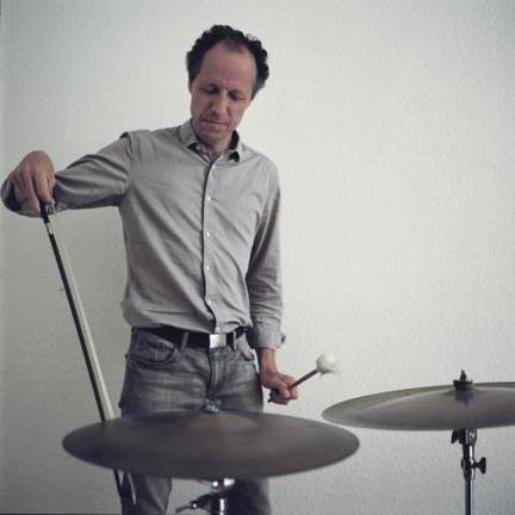
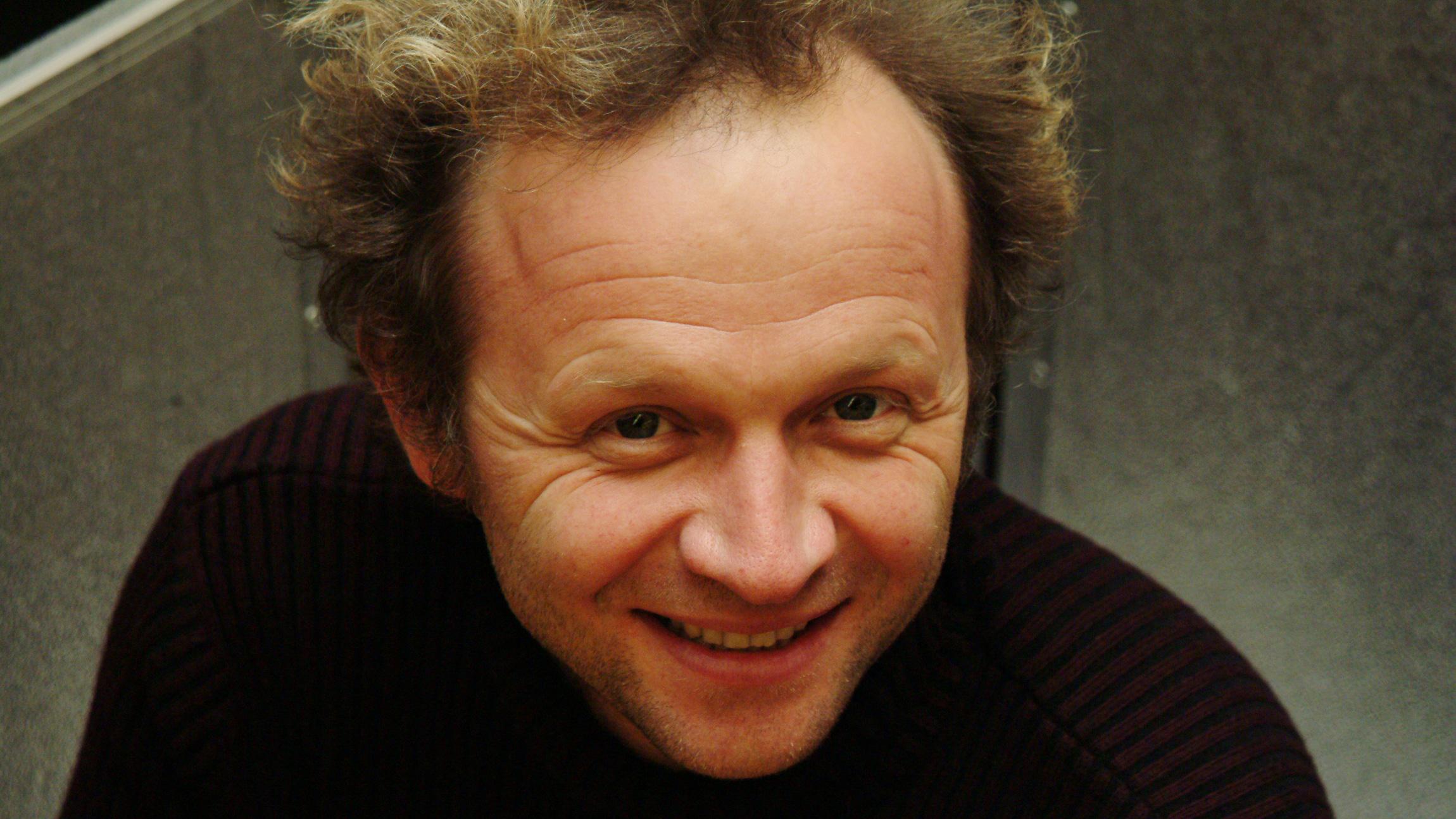
Franz Hautzinger’s Spotify BioTrumpeter Franz Hautzinger started on the Austrian jazz scene in the late '80s, recording a handful of albums for the label Extraplatte mostly as a member of the groups Mühlbacher usw., Nouvelle Cuisine, and Striped Roses. After a three-year recording hiatus from 1998 to 2000, during which time he extensively radicalized his sound, Hautzinger came back with the solo CD Gomberg (2000) and the debut by his group Dachte Musik (2001), both released by the then up-and-coming German label Grob. These and his participation in the composers' ensemble Zeitkratzer brought his playing to the attention of an international avant-garde audience at the beginning of the new millennium.
Hautzinger studied trumpet and composition at the Graz Academy of Music and the Performing Arts and at the Vienna Conservatory. He began to teach at the Vienna University of Music in 1989, at about the same time he started to record. At first strongly influenced by Miles Davis' modal jazz, Hautzinger's trumpet playing… gradually evolved toward more contemplative, impressionistic realms that bear similarities with Bill Dixon's sound world. Yet, he remained flexible in the first half of the '90s, sticking to a role of session trumpeter.
In 1993, he joined the group Striped Roses which also included saxophonist Helge Hinteregger and bassist Werner Dafeldecker. All three were jazzmen on the verge of moving away from jazz. Together with guitarists Martin Siewert and Burkhard Stangl, also with similar backgrounds, they began to put together a number of projects. The first of these was ZOSB, a duo with Hinteregger (who had begun to explore samplers and electronics) that released Zong of Se Boboolink in 1994.
A first step toward a radicalization of Hautzinger's sound was achieved when he shifted from standard trumpet and flügelhorn to the quartertone trumpet. In 1997, he appeared on the first album by Hinteregger's Comforts of Madness (Per S. E.) and released his first CD as a leader, Bent, which features Hinteregger plus Londoners Oren Marshall and Steve Noble. The next year he appeared on Boris Hauf's CD Efzeg (later the name of his group) and released Speakers Corner, a trio session with Siewert and drummer Wolfgang Reisinger (a regularly performing group under the name Trio F).
After that he retreated to his bedroom, occasionally playing live and guesting on albums but not recording as a leader for three years. He developed a new vocabulary on quartertone trumpet that involved the abandon of notes to focus on breath (air) and the possibilities of the instrument as a resonating body. He resurfaced in late 2000 with Gomberg and the quartet Dachte Musik (with Stangl, Radu Malfatti, and Gunther Schneider). He also joined the Berlin new music ensemble Zeitkratzer, replacing trumpeter Axel Dörner. He visits London regularly since 1999 and has performed with the London Improvisers Orchestra and recorded with Derek Bailey. ~ François Couture, Rovi
Viberate is a music analytics platform built for A&Rs, artist managers, labels, booking agents, marketers, and artists.
It helps music professionals track artist growth, analyze audience data, monitor playlist activity, compare artists, follow song performance, and identify opportunities across the music market.
Public artist pages provide a free preview of selected artist data. Paid plans provide access to deeper analytics, historical data, charts, comparisons, playlist tools, exports, alerts, reports, and additional professional features.
Yes. Public Viberate artist pages provide selected artist analytics and music data for free.
Viberate also offers a 7-day free trial of the full platform. A credit card is required to start the trial. The trial includes access to the complete product so users can test deeper artist analytics, historical views, playlist insights, comparisons, charts, exports, alerts, and reporting features before choosing a paid plan.
Viberate provides artist analytics across streaming, playlists, social media, video, radio airplay, songs, and audience markets.
Users can analyze Spotify performance, Spotify and Apple Music playlists, YouTube activity, TikTok and Instagram growth, radio spins, song performance, audience locations, demographics, rankings, and overall artist momentum.
Artist profiles also connect to music charts, similar artists, and comparison tools, helping users benchmark performance and evaluate artists in context.
Viberate updates key artist and track data daily.
For followed artists and tracks, selected data is refreshed multiple times per day. This helps teams monitor playlist changes, streaming movement, audience growth, releases, and campaign performance with more current data.
Update frequency can vary depending on the metric and data source.
Yes. Viberate lets users compare up to five artists side by side across streaming, social media, audience, and engagement metrics.
Users can compare fanbase growth, audience demographics, locations, Spotify performance, social metrics, and other artist data over selected time periods.
Artist comparison can be used for A&R scouting, benchmarking, booking decisions, campaign planning, and evaluating artists with similar audiences or market positions.