Franklin McKay

Religious
Christian Music
Pop Rock
 Viberate Rank: 272012
 Viberate Rank: 272012
 Monthly ListenersFollowers
 Subscribers
 Followers
 Followers
 FansTop Spotify Songs
| Track | 7-Day Streams | |
|---|---|---|
1 | 29 | |
2 | 28 | |
3 | 21 | |
4 | 21 | |
5 | 19 |
Top YouTube VideosMonthly ListenersFeatured in Playlists| Playlist | Followers | |
|---|---|---|
1 |  Acoustic 2026 Best underground Pick Velvet Arcade Station | 14.74K |
2 |  Uplifting Positive Tunes Kaz | 7.16K |
3 |  Independent Artist Songs Eric Prins | 1.47K |
4 | Hard rock Ballads 😎 Power ballads Patrik M Larsson | 1.35K |
5 |  Ugochill Music Radio Ugochill | 1.07K |
Audience| City | Monthly Listeners | |
|---|---|---|
1 | | 11 |
2 |  | 9 |
3 | | 6 |
4 |  | 5 |
5 |  | 5 |
See full performance history, audience data, playlist activity, rankings, comparisons, and more in Viberate music analytics. Start with a free trial, then continue with a paid plan.
Franklin McKay’s Spotify BioFranklin McKay Biography by James Christopher Monger
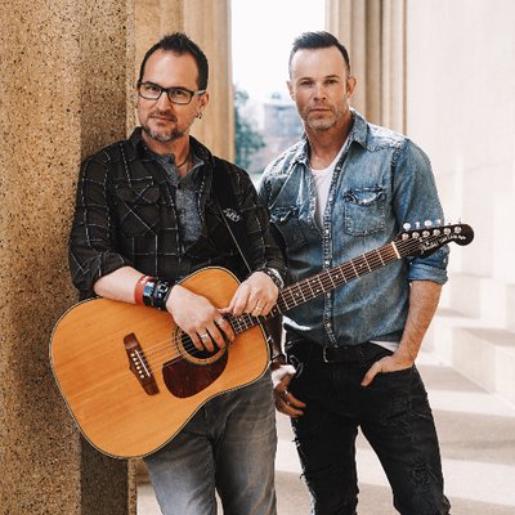
Canadian singer/songwriter Franklin McKay emerged in the 2010s and quickly gained a foothold on the Christian and Adult Contemporary charts with radio hits like "Invincible," "I'll Lift You Up (When You Are Down)," and "Breath of Life." A native of Sault Saint Marie, Ontario, the Toronto- and Los Angeles-based musician has worked with a host of notable artists, including Bill Champlin (Chicago), Harry Hess (Harem Scarem), Marc Jordan, Greg Fitzgerald (Madonna, Kylie Minogue, Hall & Oates), Heather Rankin (the Rankin Family), and Pete Lesperance (Harem Scarem). McKay first found mainstream success with the release of his 2012 EP The Holiday Collection and maintained a steady presence on the Billboard charts with subsequent efforts Invincible (2016) and Awake (2021). He issued the singles "Don't Forget Love" and "This Ain't the End" in 2022 and 2023, respectively.
Viberate is a music analytics platform built for A&Rs, artist managers, labels, booking agents, marketers, and artists.
It helps music professionals track artist growth, analyze audience data, monitor playlist activity, compare artists, follow song performance, and identify opportunities across the music market.
Public artist pages provide a free preview of selected artist data. Paid plans provide access to deeper analytics, historical data, charts, comparisons, playlist tools, exports, alerts, reports, and additional professional features.
Yes. Public Viberate artist pages provide selected artist analytics and music data for free.
Viberate also offers a 7-day free trial of the full platform. A credit card is required to start the trial. The trial includes access to the complete product so users can test deeper artist analytics, historical views, playlist insights, comparisons, charts, exports, alerts, and reporting features before choosing a paid plan.
Viberate provides artist analytics across streaming, playlists, social media, video, radio airplay, songs, and audience markets.
Users can analyze Spotify performance, Spotify and Apple Music playlists, YouTube activity, TikTok and Instagram growth, radio spins, song performance, audience locations, demographics, rankings, and overall artist momentum.
Artist profiles also connect to music charts, similar artists, and comparison tools, helping users benchmark performance and evaluate artists in context.
Viberate updates key artist and track data daily.
For followed artists and tracks, selected data is refreshed multiple times per day. This helps teams monitor playlist changes, streaming movement, audience growth, releases, and campaign performance with more current data.
Update frequency can vary depending on the metric and data source.
Yes. Viberate lets users compare up to five artists side by side across streaming, social media, audience, and engagement metrics.
Users can compare fanbase growth, audience demographics, locations, Spotify performance, social metrics, and other artist data over selected time periods.
Artist comparison can be used for A&R scouting, benchmarking, booking decisions, campaign planning, and evaluating artists with similar audiences or market positions.