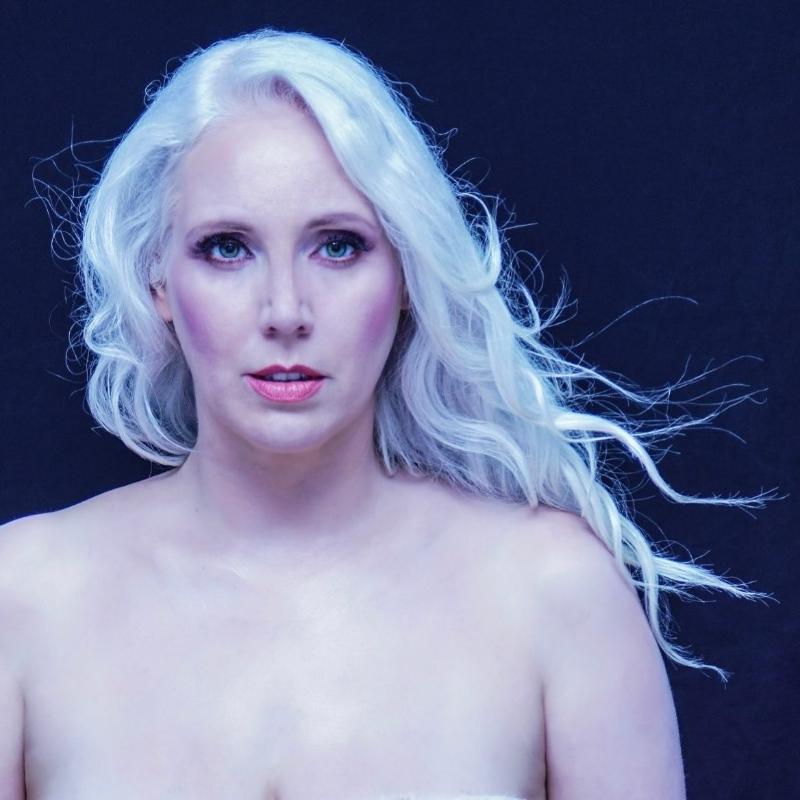
Franki Pineapple

Rock
Pop Rock
Indie Rock
 Viberate Rank: 495424
 Viberate Rank: 495424
 Monthly ListenersFollowers
 Subscribers
 Followers
 Followers
 FansTop Spotify Songs
| Track | 7-Day Streams | |
|---|---|---|
1 | 1 |
Top YouTube Videos| Video | 7-Day Views | |
|---|---|---|
1 | 6 |
Monthly ListenersFeatured in PlaylistsAudience| City | Monthly Listeners | |
|---|---|---|
1 |  | 3 |
See full performance history, audience data, playlist activity, rankings, comparisons, and more in Viberate music analytics. Start with a free trial, then continue with a paid plan.
Franki Pineapple’s Spotify BioHollywood born folk rock poetess Franki Pineapple captures a vintage elegance harking back to the 70’s Laurel Canyon music scene, punctuated by a sharp punk edge. Like a pineapple, Franki’s strong exterior and hard-hitting, lyric-driven songs cut deeply into the sweetness of a raw, soulful core. Guitar in hand, Franki interweaves themes of love, addiction, desire, recovery and self-discovery.
Franki’s (solo artist) debut single “Fuck It Man!,” an anti-establishment, punk-pop anthem produced by Nataraj Tribino (P.M. Dawn, Nile Rodgers), underscored the last chaotic months of 2020 meant to inspire individual freedom in the face of uncertain ‘cancel culture’ times. The song also served as an answer to Apple Inc. when the juggernaut corporation sued the independent artist for appropriating a fruit in her trademark. Refusing to back down, Franki won the “fruit suit” and the New York Times interviewed her in the Spring of 2022. The exploding Pineapple Grenade logo, created by John Pasche,… English art designer of the iconic Rolling Stones Tongue and Lips logo, symbolizes peaceful rebellion.
Franki’s debut EP Pineapple Grenade released September 17th 2021 with songs produced by Chris Seefried (Andra Day, Lana Del Rey); mixed by Chris Lord Alge; drums & percussion by Jimmy Paxson (Stevie Nicks, Sheryl Crow).
Franki’s next single, “I Won’t Remind Me of You,” a seventies-sounding throwback with punk tinges and echoes of Mazzy Star, releases December 2nd, 2022.
Viberate is a music analytics platform built for A&Rs, artist managers, labels, booking agents, marketers, and artists.
It helps music professionals track artist growth, analyze audience data, monitor playlist activity, compare artists, follow song performance, and identify opportunities across the music market.
Public artist pages provide a free preview of selected artist data. Paid plans provide access to deeper analytics, historical data, charts, comparisons, playlist tools, exports, alerts, reports, and additional professional features.
Yes. Public Viberate artist pages provide selected artist analytics and music data for free.
Viberate also offers a 7-day free trial of the full platform. A credit card is required to start the trial. The trial includes access to the complete product so users can test deeper artist analytics, historical views, playlist insights, comparisons, charts, exports, alerts, and reporting features before choosing a paid plan.
Viberate provides artist analytics across streaming, playlists, social media, video, radio airplay, songs, and audience markets.
Users can analyze Spotify performance, Spotify and Apple Music playlists, YouTube activity, TikTok and Instagram growth, radio spins, song performance, audience locations, demographics, rankings, and overall artist momentum.
Artist profiles also connect to music charts, similar artists, and comparison tools, helping users benchmark performance and evaluate artists in context.
Viberate updates key artist and track data daily.
For followed artists and tracks, selected data is refreshed multiple times per day. This helps teams monitor playlist changes, streaming movement, audience growth, releases, and campaign performance with more current data.
Update frequency can vary depending on the metric and data source.
Yes. Viberate lets users compare up to five artists side by side across streaming, social media, audience, and engagement metrics.
Users can compare fanbase growth, audience demographics, locations, Spotify performance, social metrics, and other artist data over selected time periods.
Artist comparison can be used for A&R scouting, benchmarking, booking decisions, campaign planning, and evaluating artists with similar audiences or market positions.