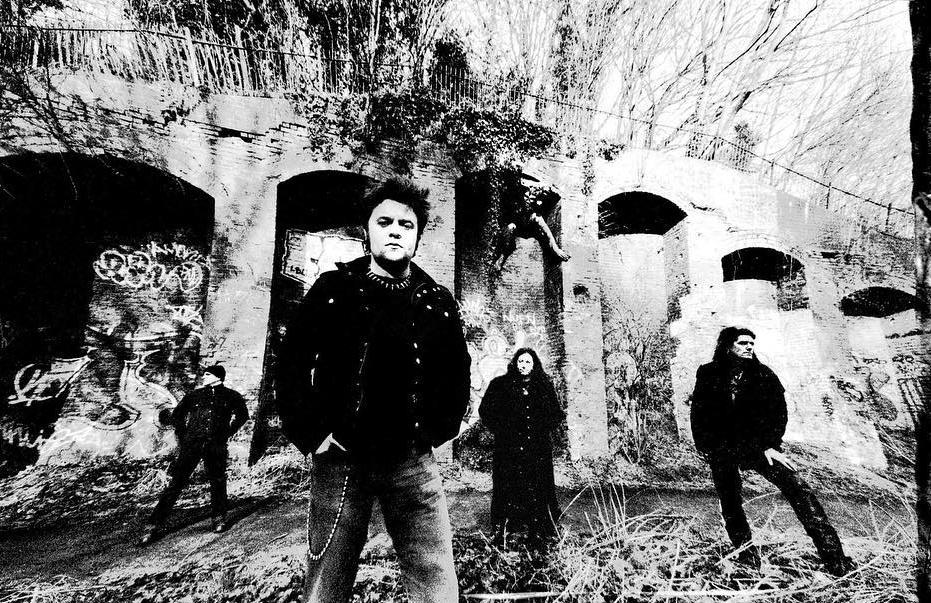
Frank The Baptist

Rock
Alternative Rock
Death Rock
 Viberate Rank: 322514
 Viberate Rank: 322514
 Monthly ListenersFollowers
 Subscribers
 Followers
 Followers
 FansTop Spotify SongsTop YouTube VideosMonthly ListenersFeatured in Playlists
| Playlist | Followers | |
|---|---|---|
1 | Dark Postpunk | Coldwave | Darkwave by Darklark darklark | 15.01K |
2 |  Dark/Wave • Post-Punk • Gothic Paddyjoe | 14.12K |
3 |  Country Metal 🤠 xWILLOWx | 10.34K |
4 | Gothic rock | Deathrock | Postpunk | Darkwave by DARKLARK darklark | 8.42K |
5 |  goth music von vominatrix | 3.35K |
Audience| City | Monthly Listeners | |
|---|---|---|
1 | | 24 |
2 | | 21 |
3 |  | 21 |
4 | | 18 |
5 | | 13 |
See full performance history, audience data, playlist activity, rankings, comparisons, and more in Viberate music analytics. Start with a free trial, then continue with a paid plan.
Frank The Baptist’s Spotify BioFrank the Baptist, a genre-crossing rock band, emerged from the southern California dark alternative scene in the late nineties, an unpredictable and refreshing voice that started in the Indie scene but was soon embraced by the goth and deathrock scene. Founder, Frank Vollmann, originally hailing from New Jersey, brought a vitality and immediacy to his music, indicative of the energetic punk and early alternative that molded his youth. 2003 saw the release of the band's first full-length album, "Different Degrees of Empty" cementing their notion that the dark music world should be a place of kicker boots, cranked amps, and skewed top hats as much as a refuge for poet shirts and ethereal echoes. By 2006 the group was based in Berlin, Germany and international concerts had become commonplace. Several albums and multiple European tours later, Frank the Baptist stands as a band the counterculture can count on. They don't belong to a fad. They didn't ride a single wave of fashion. They… don't mind which way the future turns. Theirs is an easy confidence that comes from making something we'll always need: a timeless beat, an eternal vocal, rising above the mess of bands that live and die away below, in the maelstrom. The first 3 FTB Albums (Not online) will be re-released on vinyl and online early 2022.
Viberate is a music analytics platform built for A&Rs, artist managers, labels, booking agents, marketers, and artists.
It helps music professionals track artist growth, analyze audience data, monitor playlist activity, compare artists, follow song performance, and identify opportunities across the music market.
Public artist pages provide a free preview of selected artist data. Paid plans provide access to deeper analytics, historical data, charts, comparisons, playlist tools, exports, alerts, reports, and additional professional features.
Yes. Public Viberate artist pages provide selected artist analytics and music data for free.
Viberate also offers a 7-day free trial of the full platform. A credit card is required to start the trial. The trial includes access to the complete product so users can test deeper artist analytics, historical views, playlist insights, comparisons, charts, exports, alerts, and reporting features before choosing a paid plan.
Viberate provides artist analytics across streaming, playlists, social media, video, radio airplay, songs, and audience markets.
Users can analyze Spotify performance, Spotify and Apple Music playlists, YouTube activity, TikTok and Instagram growth, radio spins, song performance, audience locations, demographics, rankings, and overall artist momentum.
Artist profiles also connect to music charts, similar artists, and comparison tools, helping users benchmark performance and evaluate artists in context.
Viberate updates key artist and track data daily.
For followed artists and tracks, selected data is refreshed multiple times per day. This helps teams monitor playlist changes, streaming movement, audience growth, releases, and campaign performance with more current data.
Update frequency can vary depending on the metric and data source.
Yes. Viberate lets users compare up to five artists side by side across streaming, social media, audience, and engagement metrics.
Users can compare fanbase growth, audience demographics, locations, Spotify performance, social metrics, and other artist data over selected time periods.
Artist comparison can be used for A&R scouting, benchmarking, booking decisions, campaign planning, and evaluating artists with similar audiences or market positions.