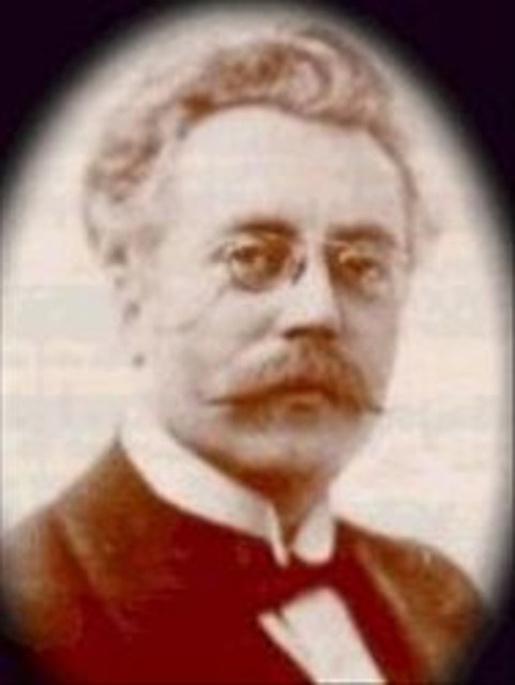
Frank Bridge

Classical
Chamber Music
 Viberate Rank: 284044
 Viberate Rank: 284044
 Monthly ListenersFollowers
 Subscribers
 Followers
 Followers
 FansTop Spotify Songs
| Track | 7-Day Streams | |
|---|---|---|
1 | 20.30K | |
2 | 1.97K | |
3 | 1.53K | |
4 | 820 | |
5 | 262 |
Top YouTube VideosMonthly ListenersFeatured in Playlists| Playlist | Followers | |
|---|---|---|
1 |  Classical Study Music for Focus 🎻🎶 Prime Feelings | 191.75K |
2 |  Classical Music for Babies Spotify | 63.78K |
3 |  FOCUS BOOST unCLASSIFIED | 44.18K |
4 |  Sheku Kanneh-Mason - The Complete Playlist shekukannehmason | 16.68K |
5 |  Sad Violin, Piano and Cello Loo Wen Lieh | 16.46K |
Audience| City | Monthly Listeners | |
|---|---|---|
1 | | 1.46K |
2 |  | 729 |
3 |  | 726 |
4 | | 636 |
5 | | 587 |
See full performance history, audience data, playlist activity, rankings, comparisons, and more in Viberate music analytics. Start with a free trial, then continue with a paid plan.
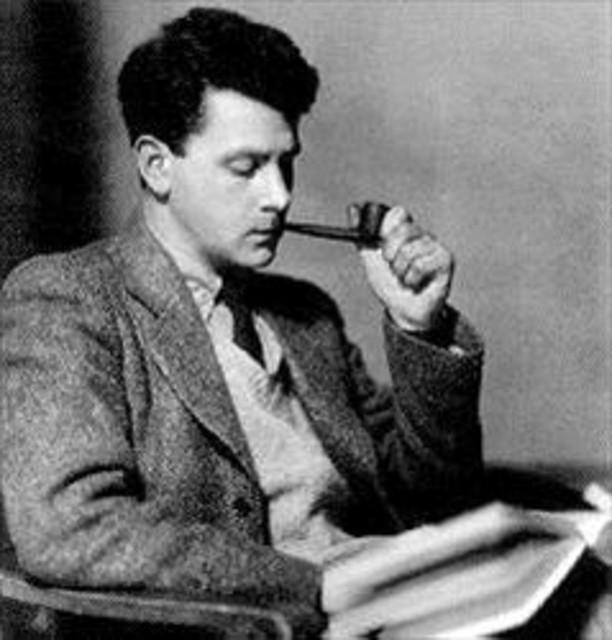
Frank Bridge’s Spotify BioFrank Bridge studied violin and composition at the Royal College of Music, graduating in 1904. A scholarship enabled him to study with Charles Villiers Stanford for four years (1899-1903). Bridge quickly established a reputation as a gifted violist and conductor. In 1906, he played with the Joachim Quartet, and he was a member of the English String Quartet through 1915. He conducted some operas at the Savoy Theatre and Covent Garden, and when Sir Thomas Beecham organized his New Symphony Orchestra in 1906, he named Bridge as his assistant. Bridge also befriended Sir Henry Wood and occasionally substituted for him as conductor at Queen's Hall; Wood later became an important champion of Bridge's music. During this period, Bridge was writing mostly chamber music and songs. His few orchestral works of the time were much influenced by the French Impressionists; the first of them to become part of the standard repertoire was the suite The Sea (1911).
World War I was a traumatic time for… Bridge, an ardent pacifist. One can hear more dissonance and darkness creeping into such works as the Cello Sonata in D minor (1913-1917) and the Quartet No. 2 in G minor (1915). After several years of near-silence, Bridge's next big work signaled a large shift in style. The Piano Sonata (1921-1924) was written in memory of composer Ernest Farrar, who was killed in action in France, in 1917. In it, one hears considerably more dissonance, abrupt changes of mood and tempo, and a more angular and aggressive sound. This stylistic evolution continued in works like the third (1926) and fourth (1937) string quartets, which flirt with Schoenberg-like atonality.
In his last two decades, Bridge composed, occasionally conducted, and did some traveling, including trips to the United States in 1923, 1934, and 1938. He also did some private teaching. Certainly his best-known pupil was Benjamin Britten, who was an 11-year-old prodigy when Bridge met him in 1924. Britten retained a great affection for his teacher, and paid tribute to him in the Variations on a Theme of Frank Bridge (1937), based on the second of the latter's Three Idylls for String Quartet (1906). Britten was also partly responsible for the subsequent interest in Bridge's music.
Among Bridge's later compositions were a lovely opera, The Christmas Rose (begun 1919, set aside for years and completed only in 1930), as well as several important chamber and orchestral works. His last completed composition was the Rebus Overture (1940); he also left a symphony for strings unfinished at his death.
Viberate is a music analytics platform built for A&Rs, artist managers, labels, booking agents, marketers, and artists.
It helps music professionals track artist growth, analyze audience data, monitor playlist activity, compare artists, follow song performance, and identify opportunities across the music market.
Public artist pages provide a free preview of selected artist data. Paid plans provide access to deeper analytics, historical data, charts, comparisons, playlist tools, exports, alerts, reports, and additional professional features.
Yes. Public Viberate artist pages provide selected artist analytics and music data for free.
Viberate also offers a 7-day free trial of the full platform. A credit card is required to start the trial. The trial includes access to the complete product so users can test deeper artist analytics, historical views, playlist insights, comparisons, charts, exports, alerts, and reporting features before choosing a paid plan.
Viberate provides artist analytics across streaming, playlists, social media, video, radio airplay, songs, and audience markets.
Users can analyze Spotify performance, Spotify and Apple Music playlists, YouTube activity, TikTok and Instagram growth, radio spins, song performance, audience locations, demographics, rankings, and overall artist momentum.
Artist profiles also connect to music charts, similar artists, and comparison tools, helping users benchmark performance and evaluate artists in context.
Viberate updates key artist and track data daily.
For followed artists and tracks, selected data is refreshed multiple times per day. This helps teams monitor playlist changes, streaming movement, audience growth, releases, and campaign performance with more current data.
Update frequency can vary depending on the metric and data source.
Yes. Viberate lets users compare up to five artists side by side across streaming, social media, audience, and engagement metrics.
Users can compare fanbase growth, audience demographics, locations, Spotify performance, social metrics, and other artist data over selected time periods.
Artist comparison can be used for A&R scouting, benchmarking, booking decisions, campaign planning, and evaluating artists with similar audiences or market positions.