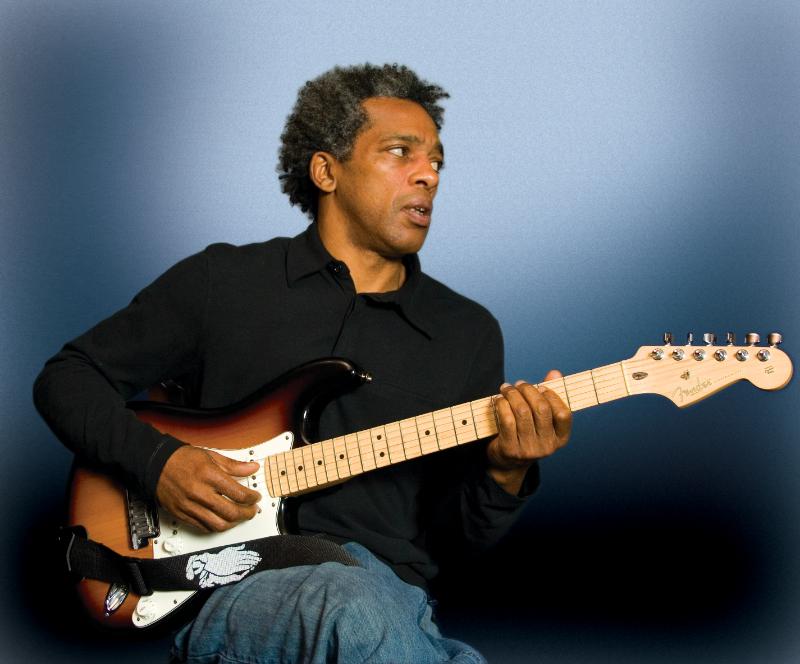
Frank Bey

Blues
Contemporary Blues
Classic Blues
 Viberate Rank: 424702
 Viberate Rank: 424702
 Monthly ListenersFollowers
 Subscribers
 Followers
 Followers
 FansTop Spotify Songs
| Track | 7-Day Streams | |
|---|---|---|
1 | 84 | |
2 | 77 | |
3 | 42 | |
4 | 33 | |
5 | 18 |
Top YouTube VideosMonthly ListenersFeatured in Playlists| Playlist | Followers | |
|---|---|---|
1 |  Slow Blues & Blues Rock | Don's Tunes Don's Tunes | 19.74K |
2 |  Funky Blues Joar Fosså | 9.54K |
3 |  Blues, Rock´n Roll and Boogie Woogie 1 Urban Mathiasson | 2.92K |
4 | Bluesrock Bjørn Storli | 2.19K |
5 |  HOUSE OF BLUES Umberto Navone | 1.96K |
Audience| City | Monthly Listeners | |
|---|---|---|
1 |  | 10 |
2 |  | 10 |
3 | | 7 |
4 |  | 6 |
5 |  | 6 |
See full performance history, audience data, playlist activity, rankings, comparisons, and more in Viberate music analytics. Start with a free trial, then continue with a paid plan.
Frank Bey’s Spotify BioBorn and raised in Millen, Georgia, Frank Bey began his singing career performing gospel at the tender age of 4. Along with his brother and two cousins, their group “The Rising Sons” toured around The South making live appearances as well as radio broadcasts. At age 17 he joined the Otis Redding Revue working as the opening act for several years. During his time with Otis Redding, Frank learned to captivate and mesmerize an audience with a song.
In the early 1970s, he formed a tight-knit radical funk group - Moorish Vanguard. But in a record deal gone wrong with James Brown, it all fell apart. Abandoned by his closest friends, Frank quit singing for 17 years. Eventually, Frank would find that he could never walk away from his dream. He returned to music, and despite a sudden battle with kidney failure, connected with an internationally touring blues band.
On stage, whether for hundreds at international music festivals or dozens at a local church, Frank Bey is radiant, powerful, and… generous. His perfectly self-tailored suits are as sharp and polished as his smooth baritone voice. Off stage, one might just miss Frank. He’s quiet, humble and focused.
Frank was nominated in 2014 for Soul Blues Artist of the Year and for Soul Blues Album of the year for his album with the Bey Paule Band, "Soul For Your Blues." He was again nominated in 2016 for Soul Blues Artist of the Year and for Soul Blues Album, "Not Going Away", also with the Bey Paule Band.
<br>
Viberate is a music analytics platform built for A&Rs, artist managers, labels, booking agents, marketers, and artists.
It helps music professionals track artist growth, analyze audience data, monitor playlist activity, compare artists, follow song performance, and identify opportunities across the music market.
Public artist pages provide a free preview of selected artist data. Paid plans provide access to deeper analytics, historical data, charts, comparisons, playlist tools, exports, alerts, reports, and additional professional features.
Yes. Public Viberate artist pages provide selected artist analytics and music data for free.
Viberate also offers a 7-day free trial of the full platform. A credit card is required to start the trial. The trial includes access to the complete product so users can test deeper artist analytics, historical views, playlist insights, comparisons, charts, exports, alerts, and reporting features before choosing a paid plan.
Viberate provides artist analytics across streaming, playlists, social media, video, radio airplay, songs, and audience markets.
Users can analyze Spotify performance, Spotify and Apple Music playlists, YouTube activity, TikTok and Instagram growth, radio spins, song performance, audience locations, demographics, rankings, and overall artist momentum.
Artist profiles also connect to music charts, similar artists, and comparison tools, helping users benchmark performance and evaluate artists in context.
Viberate updates key artist and track data daily.
For followed artists and tracks, selected data is refreshed multiple times per day. This helps teams monitor playlist changes, streaming movement, audience growth, releases, and campaign performance with more current data.
Update frequency can vary depending on the metric and data source.
Yes. Viberate lets users compare up to five artists side by side across streaming, social media, audience, and engagement metrics.
Users can compare fanbase growth, audience demographics, locations, Spotify performance, social metrics, and other artist data over selected time periods.
Artist comparison can be used for A&R scouting, benchmarking, booking decisions, campaign planning, and evaluating artists with similar audiences or market positions.