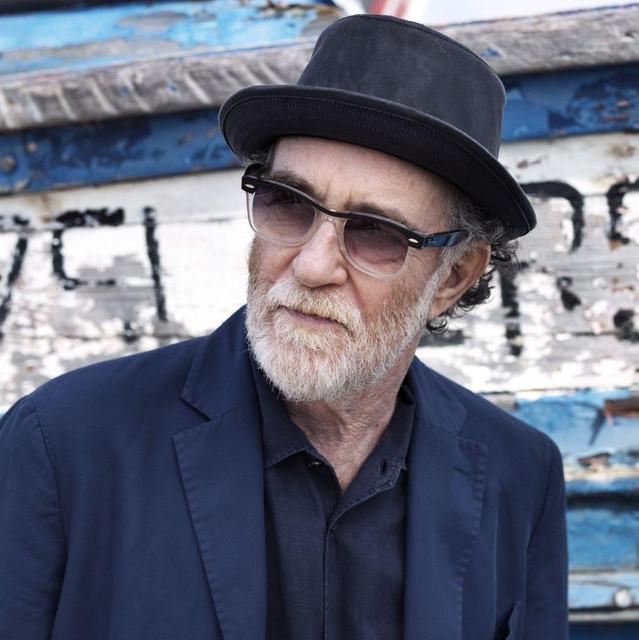
Francesco De Gregori

Pop
Mainstream Pop
Folk Rock
 Viberate Rank: 10596
 Viberate Rank: 10596
 Monthly ListenersFollowers
 Subscribers
 Followers
 Followers
 FansTop Spotify Songs
| Track | 7-Day Streams | |
|---|---|---|
1 | 221.76K | |
2 | 159.96K | |
3 | 117.40K | |
4 | 110.94K | |
5 | 45.80K |
Top YouTube Videos| Video | 7-Day Views | |
|---|---|---|
1 | 69.68K | |
2 | 44.20K | |
3 | 41.50K | |
4 | 24.07K | |
5 | 23.65K |
Monthly ListenersFeatured in Playlists| Playlist | Followers | |
|---|---|---|
1 |  Cantautorato Italiano Spotify | 463.40K |
2 |  Canzoni italiane da cantare (se vuoi perdere la voce) Spotify | 369.72K |
3 |  Anni 80 Spotify | 258.01K |
4 |  Canzoni da Cantare in Auto Spotify | 247.96K |
5 |  Anni 00 Spotify | 219.06K |
Audience| City | Monthly Listeners | |
|---|---|---|
1 | | 126.18K |
2 | | 78.52K |
3 | | 49.70K |
4 | | 42.83K |
5 | | 38.73K |
See full performance history, audience data, playlist activity, rankings, comparisons, and more in Viberate music analytics. Start with a free trial, then continue with a paid plan.
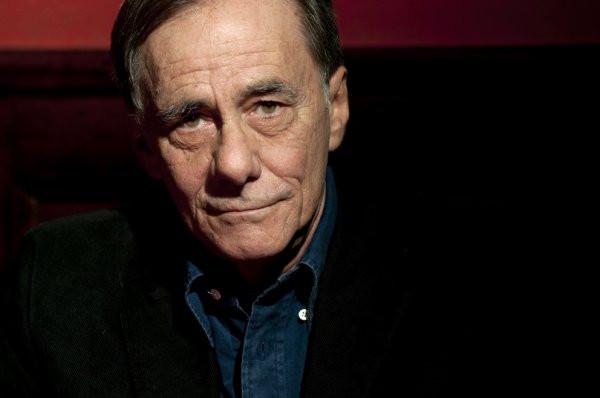
Francesco De Gregori’s Spotify BioBorn in 1951 in Rome, singer/songwriter Francesco De Gregori grew up listening to and being inspired by American musicians Bob Dylan and Leonard Cohen as well as Italian artist Fabrizio De André. It was the latter who heard De Gregori recording songs at a famous studio in Rome, and was impressed enough to began helping the young singer. In 1972, after De Gregori signed to IT, Theorius Campus, an LP with Antonello Venditti, was released. Unfortunately, critics were unimpressed with the album, a sentiment that continued through De Gregori's 1973 solo debut, Alice Non Lo Sa, and its 1974 self-titled follow-up. Success finally came with the next year's Rimmel, which showed off the musician's maturing, reflective, and intelligent lyrics over musical help from Lucio Dalla, among others.
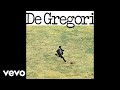
In 1976 Bufalo Bill was released, but while touring in Milan in 1977, De Gregori was verbally attacked by a group of extreme left-wingers who accused the artist of encouraging capitalism and selling out.… Leaving the stage in tears, he stopped recording, choosing to work instead as a bookseller, but in 1978 he returned to the Italian music world with De Gregori, an album that included "Generale," a track that would become among his most beloved and one which the composer felt was too good to not present to the public. A tour with Dalla and a then-unknown Ron produced the 1979 album Banana Republic. The next 15 years saw the release of a handful of new studio records, including the 1982 masterpiece Titanic and 1992's Canzoni d'Amore.
After spending the next few years as a journalist for the newspaper L'Unità, De Gregori, who was nicknamed "Il Principe," or "The Prince," for his introverted, sometimes haughty manner of dealing with the press, came back to music with Prendere e Lasciare in 1996 and the critically acclaimed Amore Nel Pomeriggio in 2001. In 2002 he participated in a tour with Pino Daniele, Ron, and Fiorella Mannoia and also collaborated with folksinger Giovanna Marini on Il Fischio del Vapore, a collection of old Italian popular and protest songs. Three years later the rock-oriented Pezzi was released, and Calypsos came in 2006. ~ Marisa Brown, Rovi
Viberate is a music analytics platform built for A&Rs, artist managers, labels, booking agents, marketers, and artists.
It helps music professionals track artist growth, analyze audience data, monitor playlist activity, compare artists, follow song performance, and identify opportunities across the music market.
Public artist pages provide a free preview of selected artist data. Paid plans provide access to deeper analytics, historical data, charts, comparisons, playlist tools, exports, alerts, reports, and additional professional features.
Yes. Public Viberate artist pages provide selected artist analytics and music data for free.
Viberate also offers a 7-day free trial of the full platform. A credit card is required to start the trial. The trial includes access to the complete product so users can test deeper artist analytics, historical views, playlist insights, comparisons, charts, exports, alerts, and reporting features before choosing a paid plan.
Viberate provides artist analytics across streaming, playlists, social media, video, radio airplay, songs, and audience markets.
Users can analyze Spotify performance, Spotify and Apple Music playlists, YouTube activity, TikTok and Instagram growth, radio spins, song performance, audience locations, demographics, rankings, and overall artist momentum.
Artist profiles also connect to music charts, similar artists, and comparison tools, helping users benchmark performance and evaluate artists in context.
Viberate updates key artist and track data daily.
For followed artists and tracks, selected data is refreshed multiple times per day. This helps teams monitor playlist changes, streaming movement, audience growth, releases, and campaign performance with more current data.
Update frequency can vary depending on the metric and data source.
Yes. Viberate lets users compare up to five artists side by side across streaming, social media, audience, and engagement metrics.
Users can compare fanbase growth, audience demographics, locations, Spotify performance, social metrics, and other artist data over selected time periods.
Artist comparison can be used for A&R scouting, benchmarking, booking decisions, campaign planning, and evaluating artists with similar audiences or market positions.