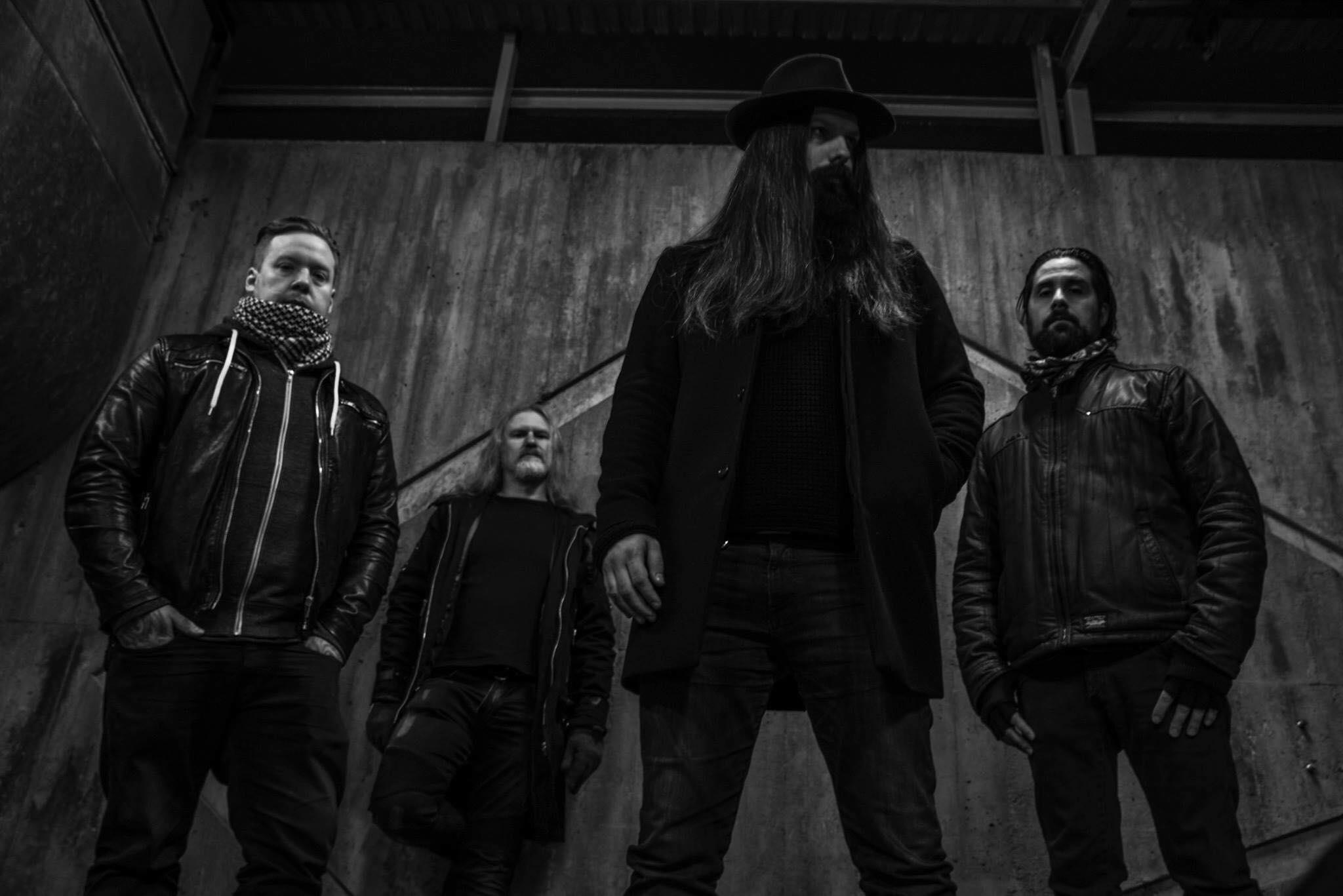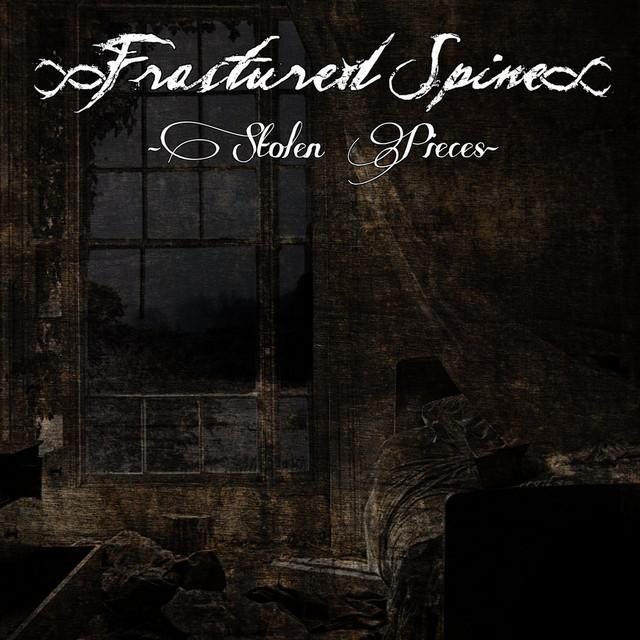
Fractured Spine

Metal
Gothic Metal
Doom/Sludge Metal
 Viberate Rank: 392025
 Viberate Rank: 392025
 Monthly ListenersFollowers
 Subscribers
 Followers
 Followers
 FansTop Spotify Songs
| Track | 7-Day Streams | |
|---|---|---|
1 | 30 | |
2 | 29 | |
3 | 15 | |
4 | 14 | |
5 | 5 |
Top YouTube VideosMonthly ListenersFeatured in Playlists| Playlist | Followers | |
|---|---|---|
1 | Uaral patricia | 2.87K |
2 |  THE NEW RocK ‘n RoLL badhybrix | 2.85K |
3 |  Music Discoveries Edoardo Gastaldi | 1.49K |
4 |  Metal from Finland Inverse Records | 1.12K |
5 |  What's Hot?! Playlist - The best new singles in Prog and beyond theprogspace | 1.09K |
Audience| City | Monthly Listeners | |
|---|---|---|
1 |  | 4 |
See full performance history, audience data, playlist activity, rankings, comparisons, and more in Viberate music analytics. Start with a free trial, then continue with a paid plan.
Fractured Spine’s Spotify BioExperimental, atmospheric, melodic. Although many death/doom metal elements are present in most songs, it would be difficult to categorize Fractured Spine strictly in that genre.
Starting out as a one man instrumental project, few songs were released to the public until 2012, with one notable exception being the very limited edition demo "Frost" in 2008. The band still draws its main influences from outside the metal genre.
The line-up consists of two Finnish core members Antti (instruments, vocals) and Timo Kirjavainen (vocals) who are cousins in life, with occasional visits from session musicians and guest vocalists.
Some Fractured Spine's influences :
Anathema, Burzum, Charon, Dawn Of Solace, Draconian, Entwine, For my pain, Ghost Brigade, Hanging Garden, Katatonia, My Dying Bride, Necare, Novembre, Pain Confessor, Saturnus, Scarlet Youth, Sentenced, ShamRain, Swallow the Sun, To/Die/For
Viberate is a music analytics platform built for A&Rs, artist managers, labels, booking agents, marketers, and artists.
It helps music professionals track artist growth, analyze audience data, monitor playlist activity, compare artists, follow song performance, and identify opportunities across the music market.
Public artist pages provide a free preview of selected artist data. Paid plans provide access to deeper analytics, historical data, charts, comparisons, playlist tools, exports, alerts, reports, and additional professional features.
Yes. Public Viberate artist pages provide selected artist analytics and music data for free.
Viberate also offers a 7-day free trial of the full platform. A credit card is required to start the trial. The trial includes access to the complete product so users can test deeper artist analytics, historical views, playlist insights, comparisons, charts, exports, alerts, and reporting features before choosing a paid plan.
Viberate provides artist analytics across streaming, playlists, social media, video, radio airplay, songs, and audience markets.
Users can analyze Spotify performance, Spotify and Apple Music playlists, YouTube activity, TikTok and Instagram growth, radio spins, song performance, audience locations, demographics, rankings, and overall artist momentum.
Artist profiles also connect to music charts, similar artists, and comparison tools, helping users benchmark performance and evaluate artists in context.
Viberate updates key artist and track data daily.
For followed artists and tracks, selected data is refreshed multiple times per day. This helps teams monitor playlist changes, streaming movement, audience growth, releases, and campaign performance with more current data.
Update frequency can vary depending on the metric and data source.
Yes. Viberate lets users compare up to five artists side by side across streaming, social media, audience, and engagement metrics.
Users can compare fanbase growth, audience demographics, locations, Spotify performance, social metrics, and other artist data over selected time periods.
Artist comparison can be used for A&R scouting, benchmarking, booking decisions, campaign planning, and evaluating artists with similar audiences or market positions.