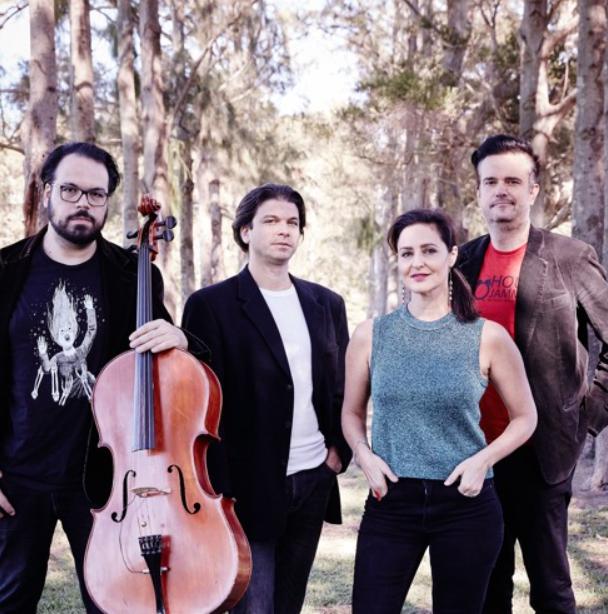
FourPlay String Quartet

Rock
Indie Rock
Classical Crossover
 Viberate Rank: 413458
 Viberate Rank: 413458
 Monthly ListenersFollowers
 Subscribers
 Followers
 Followers
 FansTop Spotify Songs
| Track | 7-Day Streams | |
|---|---|---|
1 | 68 | |
2 | 60 | |
3 | 50 | |
4 | 30 | |
5 | 28 |
Top YouTube Videos| Video | 7-Day Views | |
|---|---|---|
1 | 14 | |
2 | 1 |
Monthly ListenersFeatured in Playlists| Playlist | Followers | |
|---|---|---|
1 |  NPR All Songs Considered - The Bob Boilen years (unofficial) Fri Tsch | 30.02K |
2 |  Instrumental and Classical Loft Music | 6.17K |
3 |  Indie-Alt Indie Emerging | 2.64K |
4 | triple j's Hottest 100 2014 Candidates triple j | 2.50K |
5 |  Todo COVERTITLAN 2-2019-2026 Covertitlán | 2.30K |
Audience| City | Monthly Listeners | |
|---|---|---|
1 | | 97 |
2 | | 67 |
3 | | 46 |
4 | | 17 |
5 | | 15 |
See full performance history, audience data, playlist activity, rankings, comparisons, and more in Viberate music analytics. Start with a free trial, then continue with a paid plan.
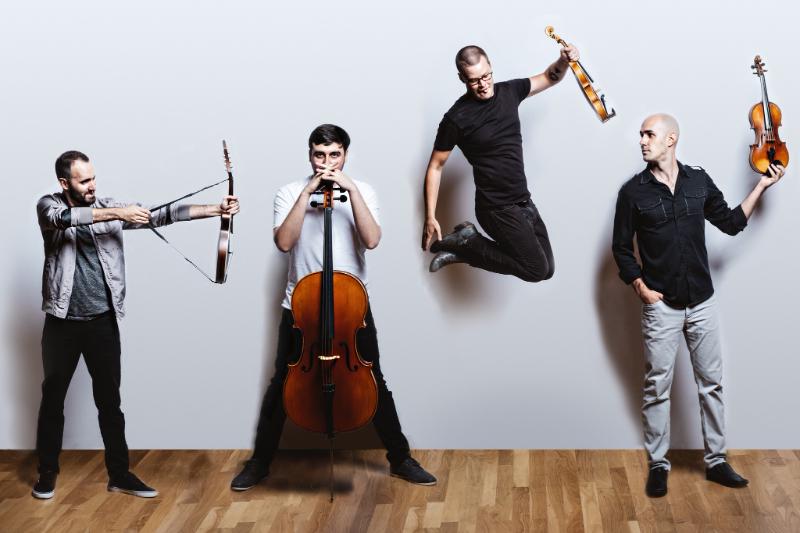
FourPlay String Quartet’s Spotify BioFourPlay String Quartet added "String Quartet" to their name to differentiate themselves from the American jazz group Fourplay, but they are also a band in the most rock & roll sense of the word. Their viola and violin players stand rather than perching on stools, allowing them to avoid the staid atmosphere stereotypically assumed of classical music and giving them the freedom to bob and dance around the stage (the cellist sits out of necessity, though sometimes playing the instrument more like a double bass). Despite lacking guitar, bass, and drums, their performances follow the rock mode, including covers of well-known rock songs.
The four original members were all students attending the University of New South Wales together in 1995, fans of alternative rock who played classical instruments. When they discovered that they could add pickups and distortion to their stringed instruments, they started getting together outside of class to play versions of songs by Jeff Buckley and Metalli…ca and whoever else they were hearing on the radio that week for their friends. On a whim they entered the university's band competition with a set of these rock covers. To their surprise they not only won, but were immediately approached to be the support act for a Max Sharam concert. At that point the quartet consisted of Tim Hollo on viola and vocals, Peter Hollo on cello and vocals, Chris Emerson on viola, and Philippa Allan on violin. This unusual lineup of two violas rather than two violins added depth to their sound and made it easier to transpose rock rhythms onto the classical instruments. Allan was more interested in pursuing classical violin, however, and was soon replaced by Lara Goodridge, who contributed not only violin but also vocals and some of her original compositions, helping to move them away from purely being a covers band.
The novelty of their style earned them appearances on television and radio and when their first album, Catgut Ya' Tongue, was released independently in 1998, it sold out in three weeks. A European tour followed, at the end of which viola player Emerson left -- the second member to leave for a career in classical music -- to be replaced by Veren Grigorov, who brought a passion for composing original Gypsy-inspired pieces, adding to the group's evolving sound. In 2000 they released their second album, The Joy of FourPlay, which included five originals as well as covers of songs by bands like the Clouds and Pop Will Eat Itself. It was followed by a remix album called Digital Manipulation, organized by cellist Peter Hollo, who doubled as a DJ under the name of Raven. It featured remixes of their music created by Australian electronic artists including B(if)tek, Machine Translations, Traksewt, and Pimmon.
Violinist Grigorov left in 2004 and was replaced by Shenton Gregorio of Shenzo's Electric Stunt Orchestra, who perform while hanging from wires and sometimes flying over the heads of their audience, upside down. Where previously FourPlay String Quartet's original material had been composed by one of the individuals and then brought to the band, Gregorio encouraged them to jam like a traditional rock band. The results were heard on their 2006 album, Now to the Future, which was produced by Magoo. Over half of the album was original material, though it still included covers of the likes of Radiohead and the Strokes. ~ Jody Macgregor, Rovi
Viberate is a music analytics platform built for A&Rs, artist managers, labels, booking agents, marketers, and artists.
It helps music professionals track artist growth, analyze audience data, monitor playlist activity, compare artists, follow song performance, and identify opportunities across the music market.
Public artist pages provide a free preview of selected artist data. Paid plans provide access to deeper analytics, historical data, charts, comparisons, playlist tools, exports, alerts, reports, and additional professional features.
Yes. Public Viberate artist pages provide selected artist analytics and music data for free.
Viberate also offers a 7-day free trial of the full platform. A credit card is required to start the trial. The trial includes access to the complete product so users can test deeper artist analytics, historical views, playlist insights, comparisons, charts, exports, alerts, and reporting features before choosing a paid plan.
Viberate provides artist analytics across streaming, playlists, social media, video, radio airplay, songs, and audience markets.
Users can analyze Spotify performance, Spotify and Apple Music playlists, YouTube activity, TikTok and Instagram growth, radio spins, song performance, audience locations, demographics, rankings, and overall artist momentum.
Artist profiles also connect to music charts, similar artists, and comparison tools, helping users benchmark performance and evaluate artists in context.
Viberate updates key artist and track data daily.
For followed artists and tracks, selected data is refreshed multiple times per day. This helps teams monitor playlist changes, streaming movement, audience growth, releases, and campaign performance with more current data.
Update frequency can vary depending on the metric and data source.
Yes. Viberate lets users compare up to five artists side by side across streaming, social media, audience, and engagement metrics.
Users can compare fanbase growth, audience demographics, locations, Spotify performance, social metrics, and other artist data over selected time periods.
Artist comparison can be used for A&R scouting, benchmarking, booking decisions, campaign planning, and evaluating artists with similar audiences or market positions.