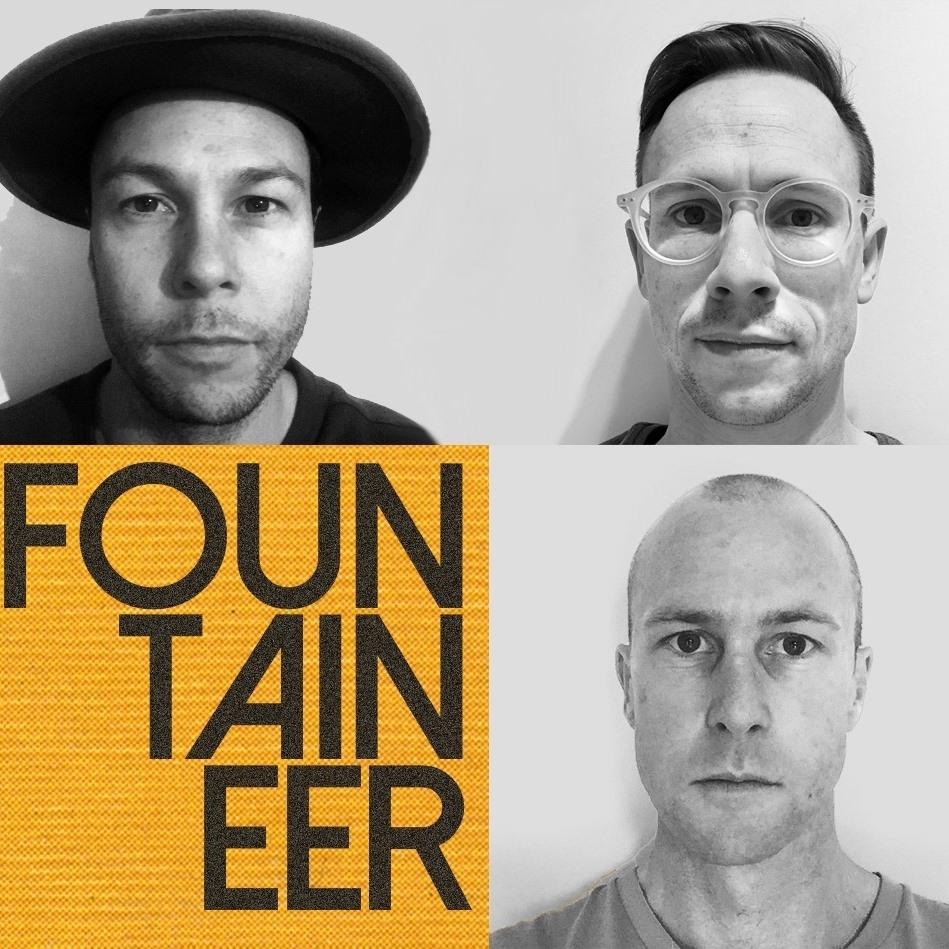
Fountaineer

Rock
Indie Rock
 Viberate Rank: 633882
 Viberate Rank: 633882
 Monthly ListenersFollowers
 Subscribers
 Followers
 Followers
 FansTop Spotify Songs
| Track | 7-Day Streams | |
|---|---|---|
1 | 123 | |
2 | 34 | |
3 | 18 | |
4 | 16 | |
5 | 8 |
Top YouTube VideosMonthly ListenersFeatured in Playlists| Playlist | Followers | |
|---|---|---|
1 | Triple J Hottest 100 2018 Picks Rosie Fenech | 3.15K |
2 |  Bedroom Pop/Indie Rock/Indie Pop/Dreampop/Shoegaze/LoFi/Chillwave Morgana | 2.08K |
3 | Indie, Coffee House, Accoustics Corey Goad | 1.08K |
Audience| City | Monthly Listeners | |
|---|---|---|
1 | | 97 |
2 | | 87 |
3 | | 59 |
4 | | 36 |
5 | | 22 |
See full performance history, audience data, playlist activity, rankings, comparisons, and more in Viberate music analytics. Start with a free trial, then continue with a paid plan.
Fountaineer’s Spotify BioNamed for the fountain in the centre of Bendigo, marking the geographic heartland of Victoria, Fountaineer's view of their country town steadily growing into a city is at the heart of their song writing.
Fountaineer began in 2013 with a phone call. Anthony White rang his brother Francis and said they were going to start the band they’d talked about since their teens. The band rounded out the trio with Kieran Daly and hired a farmhouse out in regional Victoria, spending five days in isolation working to sketch out the record. For a lot of people, it was the idyllic, cosy satellite getaway from Melbourne, but it was also the centre of racial tensions and insularity – a microcosm of Australia’s evolution. That love and criticism of their hometown fuels Fountaineer’s music – at one point reflecting on the generations of families raised there, the next reflecting on the close-mindedness that their beloved town needs to outgrow.
Fountaineer’s focus was on creating something that was empathetic… no matter where a listener came from. Stories of a town where live music amounts to playing covers down the pub, where social networks are built through footy clubs, and where churches are still regularly attended are familiar to places in every corner of the globe. These are places stuck with one foot in a muddy past and not entirely willing to step out.
Viberate is a music analytics platform built for A&Rs, artist managers, labels, booking agents, marketers, and artists.
It helps music professionals track artist growth, analyze audience data, monitor playlist activity, compare artists, follow song performance, and identify opportunities across the music market.
Public artist pages provide a free preview of selected artist data. Paid plans provide access to deeper analytics, historical data, charts, comparisons, playlist tools, exports, alerts, reports, and additional professional features.
Yes. Public Viberate artist pages provide selected artist analytics and music data for free.
Viberate also offers a 7-day free trial of the full platform. A credit card is required to start the trial. The trial includes access to the complete product so users can test deeper artist analytics, historical views, playlist insights, comparisons, charts, exports, alerts, and reporting features before choosing a paid plan.
Viberate provides artist analytics across streaming, playlists, social media, video, radio airplay, songs, and audience markets.
Users can analyze Spotify performance, Spotify and Apple Music playlists, YouTube activity, TikTok and Instagram growth, radio spins, song performance, audience locations, demographics, rankings, and overall artist momentum.
Artist profiles also connect to music charts, similar artists, and comparison tools, helping users benchmark performance and evaluate artists in context.
Viberate updates key artist and track data daily.
For followed artists and tracks, selected data is refreshed multiple times per day. This helps teams monitor playlist changes, streaming movement, audience growth, releases, and campaign performance with more current data.
Update frequency can vary depending on the metric and data source.
Yes. Viberate lets users compare up to five artists side by side across streaming, social media, audience, and engagement metrics.
Users can compare fanbase growth, audience demographics, locations, Spotify performance, social metrics, and other artist data over selected time periods.
Artist comparison can be used for A&R scouting, benchmarking, booking decisions, campaign planning, and evaluating artists with similar audiences or market positions.