Forma

Electronic
Downtempo
Drone
 Viberate Rank: 457659
 Viberate Rank: 457659
 Monthly ListenersFollowers
 Subscribers
 Followers
 Followers
 FansTop Spotify Songs
| Track | 7-Day Streams | |
|---|---|---|
1 | 26 | |
2 | 11 | |
3 | 8 | |
4 | 6 | |
5 | 6 |
Top YouTube VideosMonthly ListenersFeatured in Playlists| Playlist | Followers | |
|---|---|---|
1 |  Daniel Avery - Magic + Memory [a playlist] Daniel Avery | 7.63K |
2 |  Stack Hype Machine | 5.16K |
3 |  Resident Advisor Best Tracks kane | 3.90K |
4 |  HÖR Berlin | Techno Beam Scōtch | 2.64K |
5 |  Kranky Records Luca Salvatore | 1.94K |
Audience| City | Monthly Listeners | |
|---|---|---|
1 | | 11 |
2 |  | 7 |
3 |  | 7 |
4 |  | 4 |
5 | | 3 |
See full performance history, audience data, playlist activity, rankings, comparisons, and more in Viberate music analytics. Start with a free trial, then continue with a paid plan.
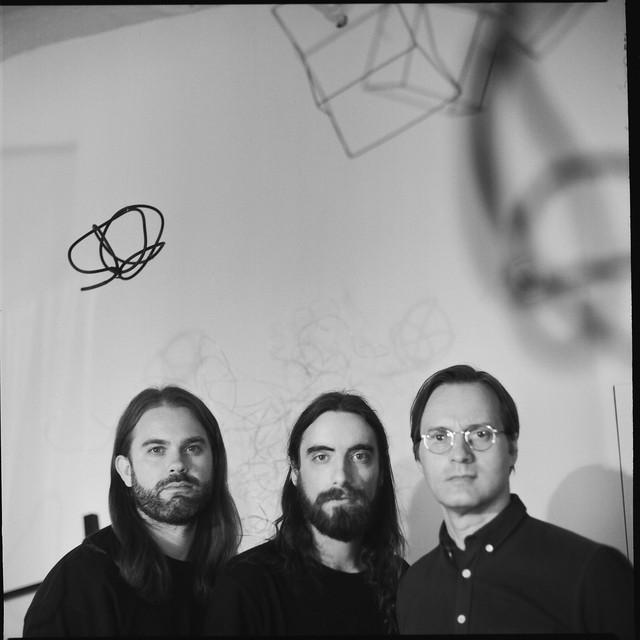
Forma’s Spotify BioBrooklyn-based trio Forma create warm, smoothly flowing analog electronic music reminiscent of Krautrock, minimalism, new age, and ambient techno. Originally surfacing on the Spectrum Spools label with their 2011 self-titled debut, the group moved to Kranky with 2016's Physicalist, at which point they began incorporating acoustic instruments into their sound.
They were formed in 2010 by Mark Dwinell, Sophie Lam, and George Bennett (who controls the electronic percussion), and quickly amassed countless hours of improvised sessions. Recordings from some of these sessions were posted on their SoundCloud page and immediately made waves on the underground synthesizer music scene, and Spectrum Spools (an imprint of Editions Mego curated by John Elliott of Emeralds) released the trio's self-titled debut album in 2011. The slightly darker, more focused follow-up, Off/On, was issued by the same label in 2012. Following the album's release, Lam left the group and was replaced by John Also Bennett… of Seabat.
Forma went in a more dancefloor-centric direction with 2014's Cool Haptics, two 15-minute tracks of lush ambient techno released by the imprint of long-running club night the Bunker New York. Two years later, Forma signed to Kranky and released their third full-length, Physicalist, which was the trio's first release to include acoustic instruments. The trio continued their fusion of electronic and acoustic instruments on 2018's Semblance. ~ Paul Simpson, Rovi
Viberate is a music analytics platform built for A&Rs, artist managers, labels, booking agents, marketers, and artists.
It helps music professionals track artist growth, analyze audience data, monitor playlist activity, compare artists, follow song performance, and identify opportunities across the music market.
Public artist pages provide a free preview of selected artist data. Paid plans provide access to deeper analytics, historical data, charts, comparisons, playlist tools, exports, alerts, reports, and additional professional features.
Yes. Public Viberate artist pages provide selected artist analytics and music data for free.
Viberate also offers a 7-day free trial of the full platform. A credit card is required to start the trial. The trial includes access to the complete product so users can test deeper artist analytics, historical views, playlist insights, comparisons, charts, exports, alerts, and reporting features before choosing a paid plan.
Viberate provides artist analytics across streaming, playlists, social media, video, radio airplay, songs, and audience markets.
Users can analyze Spotify performance, Spotify and Apple Music playlists, YouTube activity, TikTok and Instagram growth, radio spins, song performance, audience locations, demographics, rankings, and overall artist momentum.
Artist profiles also connect to music charts, similar artists, and comparison tools, helping users benchmark performance and evaluate artists in context.
Viberate updates key artist and track data daily.
For followed artists and tracks, selected data is refreshed multiple times per day. This helps teams monitor playlist changes, streaming movement, audience growth, releases, and campaign performance with more current data.
Update frequency can vary depending on the metric and data source.
Yes. Viberate lets users compare up to five artists side by side across streaming, social media, audience, and engagement metrics.
Users can compare fanbase growth, audience demographics, locations, Spotify performance, social metrics, and other artist data over selected time periods.
Artist comparison can be used for A&R scouting, benchmarking, booking decisions, campaign planning, and evaluating artists with similar audiences or market positions.