Forevermore

Metal
Metalcore/Deathcore
Progressive Metal
 Viberate Rank: 211238
 Viberate Rank: 211238
 Monthly ListenersFollowers
 Subscribers
 Followers
 Followers
 FansTop Spotify Songs
| Track | 7-Day Streams | |
|---|---|---|
1 | 1.37K | |
2 | 1.14K | |
3 | 741 | |
4 | 435 | |
5 | 433 |
Top YouTube VideosMonthly ListenersFeatured in Playlists| Playlist | Followers | |
|---|---|---|
1 |  Christian Heavy Metal Fabian Braun | 21.06K |
2 | Djent/Progressive/Metalcore/Deathcore Jonas Vikkelsø Henriksen | 9.06K |
3 |  Christian Metalcore SHADRACK | 8.73K |
4 | actual good metalcore grave | 5.61K |
5 |  Calistenia Street Workout edu🌹 | 4.74K |
Audience| City | Monthly Listeners | |
|---|---|---|
1 | | 151 |
2 | | 132 |
3 | | 123 |
4 | | 109 |
5 | | 108 |
See full performance history, audience data, playlist activity, rankings, comparisons, and more in Viberate music analytics. Start with a free trial, then continue with a paid plan.
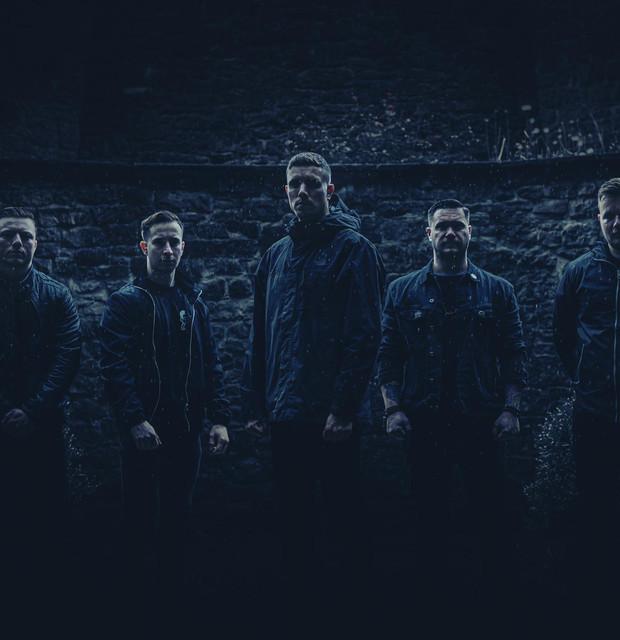
Forevermore’s Spotify BioPost-metalcore quintet Forevermore formed in Indianapolis, Indiana in 2009. Most of the band's members had been previously active in the Christian metal scene, with vocalist Kramer Lowe fronting Onward to Olympas, guitarists Alex Smith and Jared Storm playing in the Onset, and bassist Michael Taylor with Wings of Martyr. Along with drummer Sammy Vaughn, the group convened with the intent of striking a balance between progressive, precise djent metal and more accessible melodies and songs. They delivered their debut album, Moths and Rust, in 2010, followed two years later by Sojourner, releasing both albums independently. After striking a deal with Solid State Records, they returned in 2014 with their third album, Telos. Integral, the band's fourth LP and second outing for Solid State, arrived in July 2016. ~ Timothy Monger, Rovi
Viberate is a music analytics platform built for A&Rs, artist managers, labels, booking agents, marketers, and artists.
It helps music professionals track artist growth, analyze audience data, monitor playlist activity, compare artists, follow song performance, and identify opportunities across the music market.
Public artist pages provide a free preview of selected artist data. Paid plans provide access to deeper analytics, historical data, charts, comparisons, playlist tools, exports, alerts, reports, and additional professional features.
Yes. Public Viberate artist pages provide selected artist analytics and music data for free.
Viberate also offers a 7-day free trial of the full platform. A credit card is required to start the trial. The trial includes access to the complete product so users can test deeper artist analytics, historical views, playlist insights, comparisons, charts, exports, alerts, and reporting features before choosing a paid plan.
Viberate provides artist analytics across streaming, playlists, social media, video, radio airplay, songs, and audience markets.
Users can analyze Spotify performance, Spotify and Apple Music playlists, YouTube activity, TikTok and Instagram growth, radio spins, song performance, audience locations, demographics, rankings, and overall artist momentum.
Artist profiles also connect to music charts, similar artists, and comparison tools, helping users benchmark performance and evaluate artists in context.
Viberate updates key artist and track data daily.
For followed artists and tracks, selected data is refreshed multiple times per day. This helps teams monitor playlist changes, streaming movement, audience growth, releases, and campaign performance with more current data.
Update frequency can vary depending on the metric and data source.
Yes. Viberate lets users compare up to five artists side by side across streaming, social media, audience, and engagement metrics.
Users can compare fanbase growth, audience demographics, locations, Spotify performance, social metrics, and other artist data over selected time periods.
Artist comparison can be used for A&R scouting, benchmarking, booking decisions, campaign planning, and evaluating artists with similar audiences or market positions.