Forest Sun

Country
Americana/Alt Country
Folk Rock
 Viberate Rank: 128669
 Viberate Rank: 128669
 Monthly ListenersFollowers
 Subscribers
 Followers
 Followers
 FansTop Spotify Songs
| Track | 7-Day Streams | |
|---|---|---|
1 | 13.28K | |
2 | 9.80K | |
3 | 5.01K | |
4 | 4.89K | |
5 | 4.45K |
Top YouTube VideosMonthly ListenersFeatured in Playlists| Playlist | Followers | |
|---|---|---|
1 |  Morning Acoustic Spotify | 1.06M |
2 |  Indie Bluegrass Spotify | 258.71K |
3 |  MUSICA DE PLAYA ☀️🌊🌴 RADIO PISCOLA❤ | 18.06K |
4 |  Western AF ( Official Playlist ) Western AF | 15.21K |
5 |  Old Road Gold About The Song | 14.98K |
Audience| City | Monthly Listeners | |
|---|---|---|
1 |  | 2.13K |
2 | | 1.78K |
3 | | 1.51K |
4 | | 1.37K |
5 |  | 1.23K |
See full performance history, audience data, playlist activity, rankings, comparisons, and more in Viberate music analytics. Start with a free trial, then continue with a paid plan.
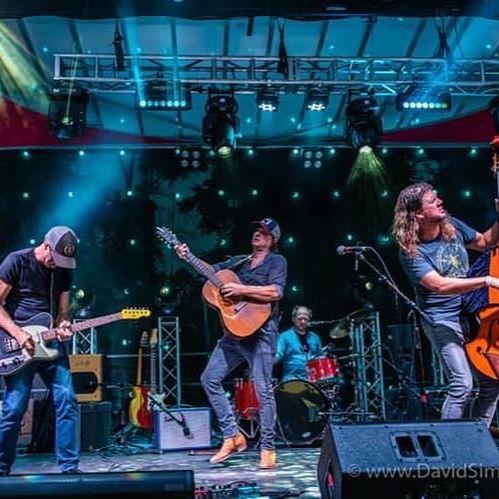
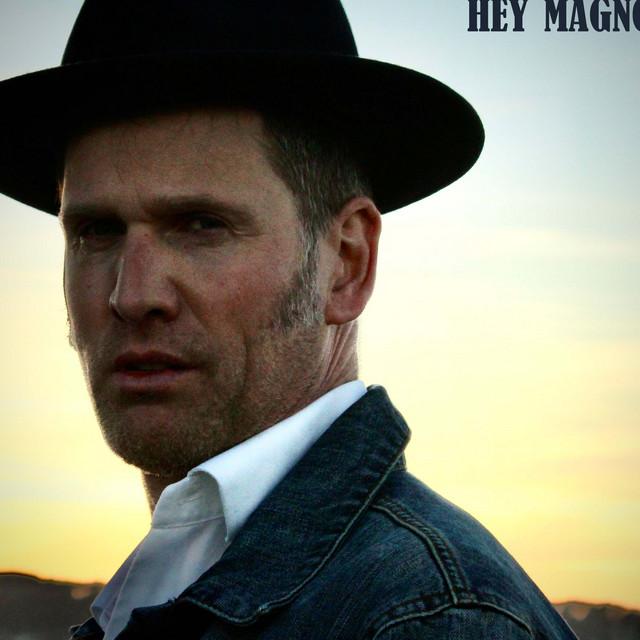
Forest Sun’s Spotify BioBorn in upstate New York to folksinging back-to-the-land hippie parents (Forest’s dad literally built the floor that Bob Dylan stood on at Bearsville studios in Woodstock, NY. His mom heard Pete Seeger and Joan Baez play in her uncles living room in Boston when she was 17), weaned on a diet of Jackson Browne and Toots and the Maytals, Some of Forest’s earliest memories are of his dad playing “Poncho and Lefty” by Townes Van Zandt and his mom singing Elizabeth Cotton’s “Freight Train”. Forest wrote songs with Rory Block when he was six years old, learned to juggle from Wavy Gravy when he was 9, and studied drumming with the late Babatunde Olatunji as a teenager. In college he played in a band with SNL star Maya Rudolph. They opened for No Doubt at the Catalyst in Santa Cruz before Forest left to study art in Spain. He’s played festivals from California (Strawberry Music Festival, American River Music Festival) to Europe (Belladrum in Scotland, Fiesta City in Belgium) and opened for… such luminaries as Lyle Lovett, Bonnie Raitt, SteveEarle, Keb Mo, Brett Dennen and the Beach Boys. Collaborations include the jam band scene (ALO -Animal Liberation Orchestra on Jack Johnson’s label) the bluegrass scene (Hot Buttered Rum), and indie folk artists like Jolie Holland. Forest’s songs mine his deep folk roots and embrace his love of gospel, reggae, Americana, country, soul, blues, and jazz .
Viberate is a music analytics platform built for A&Rs, artist managers, labels, booking agents, marketers, and artists.
It helps music professionals track artist growth, analyze audience data, monitor playlist activity, compare artists, follow song performance, and identify opportunities across the music market.
Public artist pages provide a free preview of selected artist data. Paid plans provide access to deeper analytics, historical data, charts, comparisons, playlist tools, exports, alerts, reports, and additional professional features.
Yes. Public Viberate artist pages provide selected artist analytics and music data for free.
Viberate also offers a 7-day free trial of the full platform. A credit card is required to start the trial. The trial includes access to the complete product so users can test deeper artist analytics, historical views, playlist insights, comparisons, charts, exports, alerts, and reporting features before choosing a paid plan.
Viberate provides artist analytics across streaming, playlists, social media, video, radio airplay, songs, and audience markets.
Users can analyze Spotify performance, Spotify and Apple Music playlists, YouTube activity, TikTok and Instagram growth, radio spins, song performance, audience locations, demographics, rankings, and overall artist momentum.
Artist profiles also connect to music charts, similar artists, and comparison tools, helping users benchmark performance and evaluate artists in context.
Viberate updates key artist and track data daily.
For followed artists and tracks, selected data is refreshed multiple times per day. This helps teams monitor playlist changes, streaming movement, audience growth, releases, and campaign performance with more current data.
Update frequency can vary depending on the metric and data source.
Yes. Viberate lets users compare up to five artists side by side across streaming, social media, audience, and engagement metrics.
Users can compare fanbase growth, audience demographics, locations, Spotify performance, social metrics, and other artist data over selected time periods.
Artist comparison can be used for A&R scouting, benchmarking, booking decisions, campaign planning, and evaluating artists with similar audiences or market positions.