For All Those Sleeping

Metal
Metalcore/Deathcore
Post Hardcore
 Viberate Rank: 85358
 Viberate Rank: 85358
 Monthly ListenersFollowers
 Subscribers
 Followers
 Followers
 FansTop Spotify Songs
| Track | 7-Day Streams | |
|---|---|---|
1 | 13.41K | |
2 | 9.09K | |
3 | 4.56K | |
4 | 3.29K | |
5 | 3.07K |
Top YouTube Videos| Video | 7-Day Views | |
|---|---|---|
1 | 884 | |
2 | 717 | |
3 | 487 | |
4 | 440 | |
5 | 435 |
Monthly ListenersFeatured in Playlists| Playlist | Followers | |
|---|---|---|
1 | Punk Goes Pop Greatest Hits rylandee | 134.17K |
2 | Punkers go poppers Velxies | 101.71K |
3 |  🌗MUTILACION PRIME🐺 PRIME | 81.06K |
4 | plastplugg | 65.72K |
5 | Pop goes punk vol 1-10 alexdrumsalot | 55.71K |
Audience| City | Monthly Listeners | |
|---|---|---|
1 | | 1.28K |
2 | | 1.08K |
3 | | 1.08K |
4 | | 1.00K |
5 | | 967 |
See full performance history, audience data, playlist activity, rankings, comparisons, and more in Viberate music analytics. Start with a free trial, then continue with a paid plan.
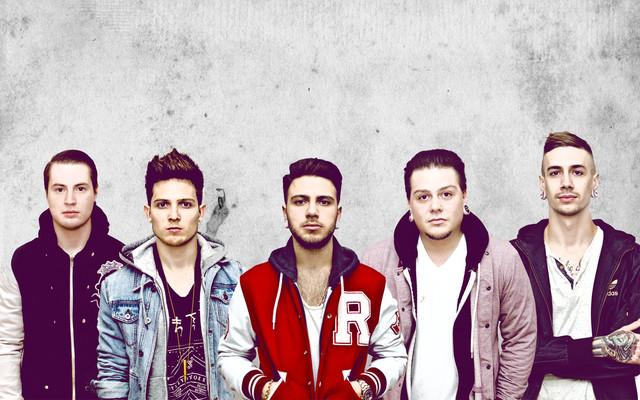
For All Those Sleeping’s Spotify BioFormed in St. Cloud, Minnesota in 2007, For All Those Sleeping combined bouncy, heartache-filled pop-punk with metalcore to create their own dynamic, hybrid sound. Consisting of singer Mike Champa, guitarist and singer Jerad Pierskalla, guitarist and keyboardist David Volgman-Stevens, and drummer Ethan Trekell -- who all met in high school -- as well as bassist London Snetsinger (who joined the band in 2009), the quintet developed a sound that punctuated its melodic yearning with brutal breakdowns. After self-releasing The Lies We Live EP in 2008, the band got the attention of Fearless Records, who signed them the following year. Their full-length debut, Cross Your Fingers, arrived in 2010 through the label, and was quickly followed up with a second album, Outspoken, in 2012. The band's third studio long-player, Incomplete Me, arrived in July 2014, shortly after the release of the blistering first single "Crosses." It peaked rather high on the U.S. album chart, but the band called it a… day by the end of the year, playing their last shows in Minnesota and Fargo, North Dakota. ~ Gregory Heaney, Rovi
Viberate is a music analytics platform built for A&Rs, artist managers, labels, booking agents, marketers, and artists.
It helps music professionals track artist growth, analyze audience data, monitor playlist activity, compare artists, follow song performance, and identify opportunities across the music market.
Public artist pages provide a free preview of selected artist data. Paid plans provide access to deeper analytics, historical data, charts, comparisons, playlist tools, exports, alerts, reports, and additional professional features.
Yes. Public Viberate artist pages provide selected artist analytics and music data for free.
Viberate also offers a 7-day free trial of the full platform. A credit card is required to start the trial. The trial includes access to the complete product so users can test deeper artist analytics, historical views, playlist insights, comparisons, charts, exports, alerts, and reporting features before choosing a paid plan.
Viberate provides artist analytics across streaming, playlists, social media, video, radio airplay, songs, and audience markets.
Users can analyze Spotify performance, Spotify and Apple Music playlists, YouTube activity, TikTok and Instagram growth, radio spins, song performance, audience locations, demographics, rankings, and overall artist momentum.
Artist profiles also connect to music charts, similar artists, and comparison tools, helping users benchmark performance and evaluate artists in context.
Viberate updates key artist and track data daily.
For followed artists and tracks, selected data is refreshed multiple times per day. This helps teams monitor playlist changes, streaming movement, audience growth, releases, and campaign performance with more current data.
Update frequency can vary depending on the metric and data source.
Yes. Viberate lets users compare up to five artists side by side across streaming, social media, audience, and engagement metrics.
Users can compare fanbase growth, audience demographics, locations, Spotify performance, social metrics, and other artist data over selected time periods.
Artist comparison can be used for A&R scouting, benchmarking, booking decisions, campaign planning, and evaluating artists with similar audiences or market positions.