Flooting Grooves

Electronic
Psy Trance
Trance
 Viberate Rank: 184965
 Viberate Rank: 184965
 Monthly ListenersFollowers
 Subscribers
 Followers
 Followers
 FansTop Spotify Songs
| Track | 7-Day Streams | |
|---|---|---|
1 | 1.88K | |
2 | 1.66K | |
3 | 1.65K | |
4 | 1.15K | |
5 | 1.02K |
Top YouTube VideosMonthly ListenersFeatured in Playlists| Playlist | Followers | |
|---|---|---|
1 |  Psychedelic Trance Marcel Huber | 65.83K |
2 |  Psytrance =) Kristoffer Sørensen | 38.14K |
3 |  Forest Psytrance 🌳😾💥🚀🌲 SASHA | 27.96K |
4 | NTS LIVE Sabri M. | 20.08K |
5 |  Psychill, Psybient Ashraf Mohamed | 14.77K |
Audience| City | Monthly Listeners | |
|---|---|---|
1 |  | 521 |
2 |  | 308 |
3 |  | 230 |
4 | | 223 |
5 |  | 195 |
See full performance history, audience data, playlist activity, rankings, comparisons, and more in Viberate music analytics. Start with a free trial, then continue with a paid plan.
Flooting Grooves’ Spotify BioFLOOTING GROOVES is the solo project of Pearce van der Merwe, born in South Africa.
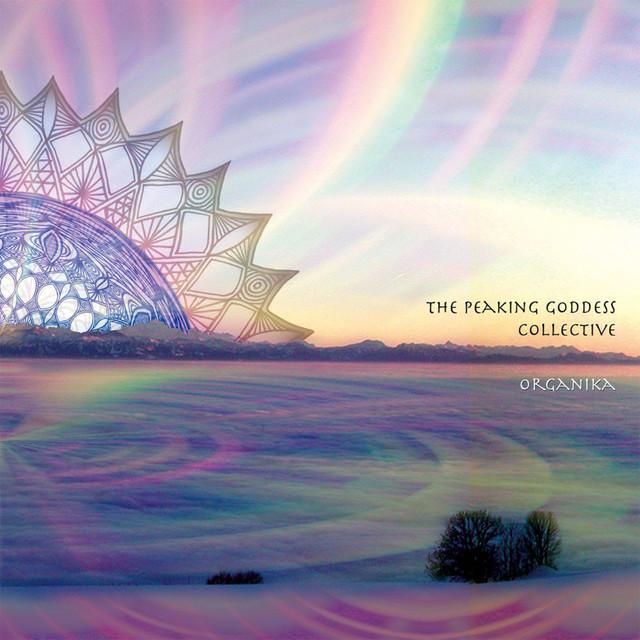
Heavily influenced by groups like The Peaking Goddess Collective, Pink Floyd, Ozric Tentacles, Led Zeppelin, Motorpsycho and Jethro Tull, his production is a fusion of live flute with electronica, resulting in a melting pot of pleasurable psychedelia to groove the body and sooth the soul!
His introduction to the electronic dance music scene in Amsterdam led to meeting and collaborating with Ajja and Dymons, producers and musicians in their own rights, later forming The Peaking Goddess Collective with Master Margherita. The current formation is Ajja, Pearce and Dan. In 2008 a collaboration with Dymons was born, called Cosmosophy. Their sound is tribal, breaky and eclectic. Driven by a percussive groove it also features elements of rock, afro-cuban , dub and psychedelia.
Molecure (2016) is another project in collaboration with Mike Didge, a very skilled and talented didjeridoo player. The result is an… eclectic electro-acoustic fusion exploring all kinds of styles like funk, bass, drum n bass, while staying true to psychedelic electronica. Also part of the Kaya Project Live, Pearce shares the stage with talented producer Seb Taylor and divine vocalist Irina Mikhaelova, bringing some flooty magic to this incredible world fusion project. Other collaborations include those with Ajja, as well as with DJ Gaspard (now evolved into Fralien Eequencies) exploring the more full-power psychedelic sound.
Viberate is a music analytics platform built for A&Rs, artist managers, labels, booking agents, marketers, and artists.
It helps music professionals track artist growth, analyze audience data, monitor playlist activity, compare artists, follow song performance, and identify opportunities across the music market.
Public artist pages provide a free preview of selected artist data. Paid plans provide access to deeper analytics, historical data, charts, comparisons, playlist tools, exports, alerts, reports, and additional professional features.
Yes. Public Viberate artist pages provide selected artist analytics and music data for free.
Viberate also offers a 7-day free trial of the full platform. A credit card is required to start the trial. The trial includes access to the complete product so users can test deeper artist analytics, historical views, playlist insights, comparisons, charts, exports, alerts, and reporting features before choosing a paid plan.
Viberate provides artist analytics across streaming, playlists, social media, video, radio airplay, songs, and audience markets.
Users can analyze Spotify performance, Spotify and Apple Music playlists, YouTube activity, TikTok and Instagram growth, radio spins, song performance, audience locations, demographics, rankings, and overall artist momentum.
Artist profiles also connect to music charts, similar artists, and comparison tools, helping users benchmark performance and evaluate artists in context.
Viberate updates key artist and track data daily.
For followed artists and tracks, selected data is refreshed multiple times per day. This helps teams monitor playlist changes, streaming movement, audience growth, releases, and campaign performance with more current data.
Update frequency can vary depending on the metric and data source.
Yes. Viberate lets users compare up to five artists side by side across streaming, social media, audience, and engagement metrics.
Users can compare fanbase growth, audience demographics, locations, Spotify performance, social metrics, and other artist data over selected time periods.
Artist comparison can be used for A&R scouting, benchmarking, booking decisions, campaign planning, and evaluating artists with similar audiences or market positions.