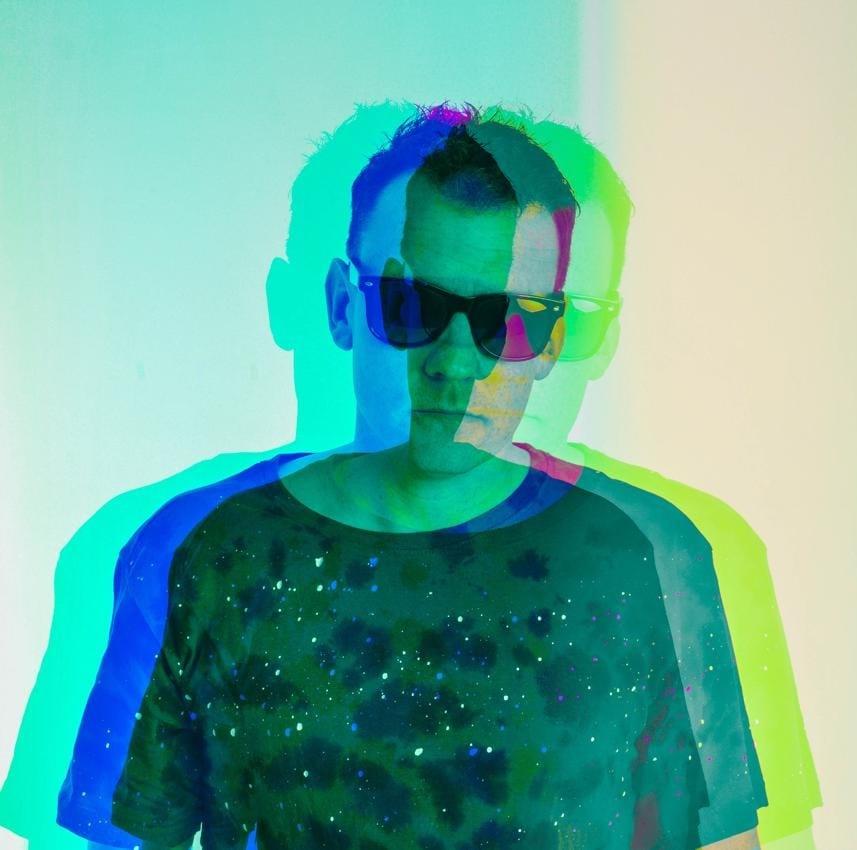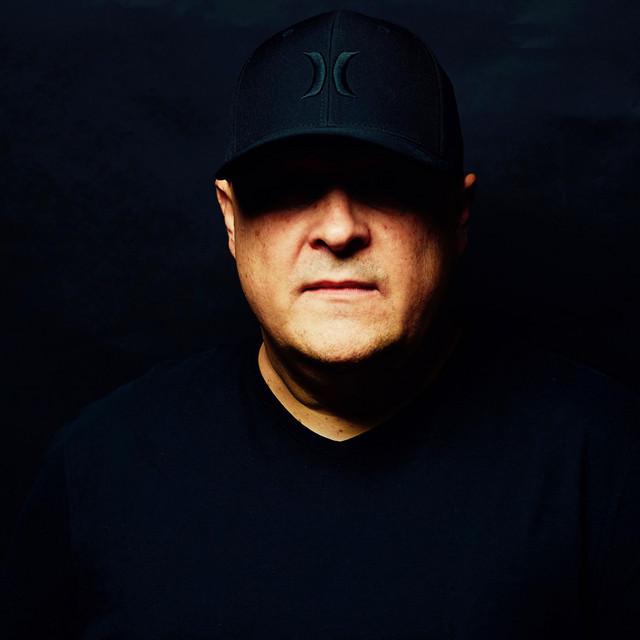
Flash 89

Electronic
House
Tech House
 Viberate Rank: 286970
 Viberate Rank: 286970
 Monthly ListenersFollowers
 Subscribers
 Followers
 Followers
 FansTop Spotify Songs
| Track | 7-Day Streams | |
|---|---|---|
1 | 1.08K | |
2 | 698 | |
3 | 321 | |
4 | 133 | |
5 | 115 |
Top YouTube Videos| Video | 7-Day Views | |
|---|---|---|
1 | 3 |
Monthly ListenersFeatured in Playlists| Playlist | Followers | |
|---|---|---|
1 |  Coffee In The Morning ☕ Loopline | 60.37K |
2 |  The Music My Future Kids Will Grow Up On 🎧 Loopline | 39.83K |
3 |  Rooftop EDM Sound Atlas | 24.40K |
4 |  Funky House 2026 🪩✨ Siggy Freud | 24.37K |
5 |  Martin Garrix Favorites Martin Garrix | 19.30K |
Audience| City | Monthly Listeners | |
|---|---|---|
1 | | 228 |
2 | | 214 |
3 | | 140 |
4 | | 127 |
5 |  | 115 |
See full performance history, audience data, playlist activity, rankings, comparisons, and more in Viberate music analytics. Start with a free trial, then continue with a paid plan.
Flash 89’s Spotify BioFlash 89’s introduction to the world came via BBC Radio 1 with his remix of Go Bang for Australian ARIA Award-winning electronic outfit PNAU. His sound has garnered support from industry heavyweights such as Solomun, Dom Dolla, James Hype, Sam Divine, and Danny Howard, with his tracks frequently spinning on BBC Radio 1 and Triple J.
The Australian native boasts an impressive track record, collaborating with Sonny Fodera, TCTS, Kid Massive, and Go Freek, while releasing on renowned labels such as Abode, Armada Subjekt, etcetc, Lapsus, Motive, Solotoko, and Toolroom Trax.
From the start, Flash has been one to watch—his debut single Generate premiered via Clash Magazine, and he was named a Triple J Unearthed winner, earning a slot at FOMO Festival Adelaide in 2019. Driven by a deep love for dance music, he specializes in house, tech, and club sounds—curating raw, groove-heavy sets designed to keep the dancefloor moving all night.
Viberate is a music analytics platform built for A&Rs, artist managers, labels, booking agents, marketers, and artists.
It helps music professionals track artist growth, analyze audience data, monitor playlist activity, compare artists, follow song performance, and identify opportunities across the music market.
Public artist pages provide a free preview of selected artist data. Paid plans provide access to deeper analytics, historical data, charts, comparisons, playlist tools, exports, alerts, reports, and additional professional features.
Yes. Public Viberate artist pages provide selected artist analytics and music data for free.
Viberate also offers a 7-day free trial of the full platform. A credit card is required to start the trial. The trial includes access to the complete product so users can test deeper artist analytics, historical views, playlist insights, comparisons, charts, exports, alerts, and reporting features before choosing a paid plan.
Viberate provides artist analytics across streaming, playlists, social media, video, radio airplay, songs, and audience markets.
Users can analyze Spotify performance, Spotify and Apple Music playlists, YouTube activity, TikTok and Instagram growth, radio spins, song performance, audience locations, demographics, rankings, and overall artist momentum.
Artist profiles also connect to music charts, similar artists, and comparison tools, helping users benchmark performance and evaluate artists in context.
Viberate updates key artist and track data daily.
For followed artists and tracks, selected data is refreshed multiple times per day. This helps teams monitor playlist changes, streaming movement, audience growth, releases, and campaign performance with more current data.
Update frequency can vary depending on the metric and data source.
Yes. Viberate lets users compare up to five artists side by side across streaming, social media, audience, and engagement metrics.
Users can compare fanbase growth, audience demographics, locations, Spotify performance, social metrics, and other artist data over selected time periods.
Artist comparison can be used for A&R scouting, benchmarking, booking decisions, campaign planning, and evaluating artists with similar audiences or market positions.