Five For Fighting

Rock
Pop Rock
Mainstream Pop
 Viberate Rank: 10507
 Viberate Rank: 10507
 Monthly ListenersFollowers
 Subscribers
 Followers
 Followers
 FansTop Spotify Songs
| Track | 7-Day Streams | |
|---|---|---|
1 | 642.52K | |
2 | 385.02K | |
3 | 142.18K | |
4 | 57.63K | |
5 | 42.41K |
Top YouTube Videos| Video | 7-Day Views | |
|---|---|---|
1 | 303.35K | |
2 | 171.98K | |
3 | 19.03K | |
4 | 7.39K | |
5 | 4.29K |
Monthly ListenersFeatured in Playlists| Playlist | Followers | |
|---|---|---|
1 |  Acoustic Hits: Oldies but Goodies Spotify | 3.84M |
2 |  Guilty Pleasures Spotify | 3.39M |
3 |  Love Pop Spotify | 2.01M |
4 |  Piano Ballads Spotify | 1.79M |
5 |  Best of '00s Pop Spotify | 1.60M |
Audience| City | Monthly Listeners | |
|---|---|---|
1 |  | 77.39K |
2 | | 48.54K |
3 | | 41.46K |
4 | | 36.66K |
5 | | 33.31K |
See full performance history, audience data, playlist activity, rankings, comparisons, and more in Viberate music analytics. Start with a free trial, then continue with a paid plan.
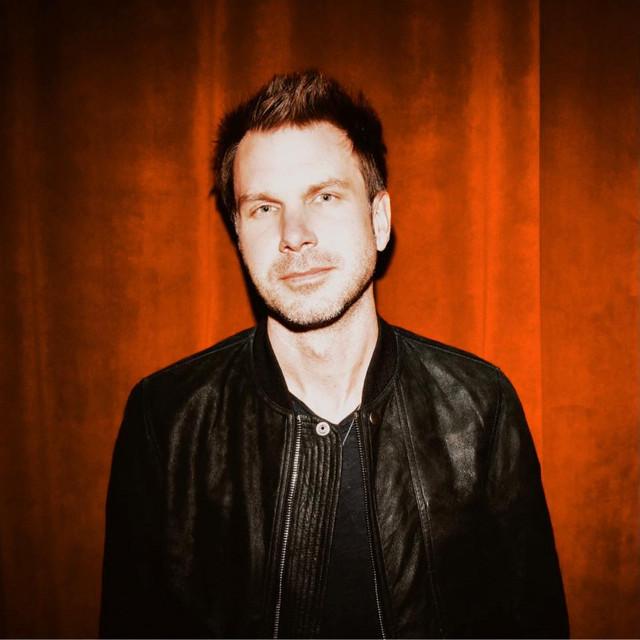
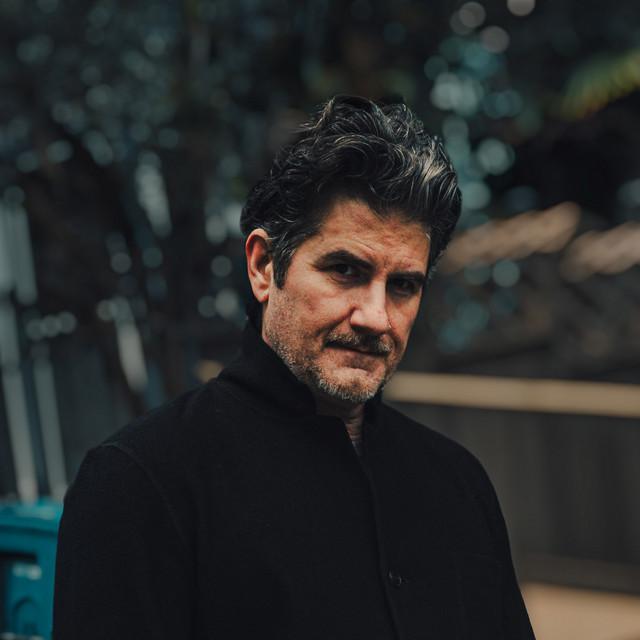
Five For Fighting’s Spotify BioFive for Fighting is the one-man band of John Ondrasik, who rose to fame in 2001 on the strength of the Grammy-nominated pop/rock ballad "Superman (It's Not Easy)," which became popular after the events of September 11, 2001. Over the next two decades, Ondrasik issued a string of emotionally charged Top 40 hits, including "100 Years," "The Riddle," "World," "Chances," and "Blood on My Hands," thus cementing Five for Fighting's status as one of contemporary pop music's most enduring balladeers.
Born and raised in the San Fernando Valley of Los Angeles, Ondrasik started his musical training when he was only two years old. His mother, a piano teacher, gave him lessons, and he began turning his attention to guitar at the age of 13. He taught himself to use the latter instrument and soon began writing music. Somewhere along the way, he also took vocal lessons in opera. After discovering that opera wasn't his cup of tea, Ondrasik shifted his focus once again, this time turning to artists like… Billy Joel, Journey, Elton John, Stevie Wonder, and Earth, Wind & Fire for inspiration.
Using the stage name Five for Fighting -- a term he appropriated from ice hockey's rule book -- Ondrasik made his major-label debut in 1997 by releasing Message for Albert. He then left the roster of his original label, Capitol Records, and signed with Columbia before issuing America Town. Released in 2000, the album furthered Ondrasik's themes of love and life while adding a political spin, a combination that yielded warm reviews but sluggish sales. America Town might have been another strong outing from a talented (yet commercially invisible) songwriter were it not for the tragic events of September 11, 2001, and the nation's subsequent embrace of the delicate piano ballad "Superman (It's Not Easy)." Five for Fighting performed the song at the Concert for New York City that winter, and America Town went platinum several months later.
While it was a bittersweet way to find fame, the single's success gave Ondrasik the artistic license he'd always craved. When The Battle for Everything appeared in early 2004, it was Five for Fighting's most stylistically ambitious and lyrically bold recording to date. It also yielded another high-charting single, "100 Years." 2006's Two Lights continued Ondrasik's exploration of blue-collar America by focusing on love, mortality, war, and family. The LP yielded the hits "World" and "The Riddle." A concert album entitled Back Country Live arrived in 2007, followed by Slice -- featuring several songs, including the Billboard-charting "Chances," co-written by musical theater composer Steven Schwartz -- in October 2009. Ondrasik reunited with producer Gregg Wattenberg -- who had previously worked with Ondrasik on America Town -- for his sixth album Bookmarks. Released in September 2013, the album featured the adult contemporary hit "What If."
2016 saw the release of the standalone single "Born to Win," which appeared on the season eight finale of American Ninja Warrior. In 2017, he collaborated with Jim Brickman on the holiday song "Christmas Where You Are," and in 2018, he recorded "The Song of Innocents" for the end credits of the film Gosnell: The Trial of America's Biggest Serial Killer. Ondrasik went viral in 2021 after releasing "Blood on My Hands" and its graphic, accompanying video, both of which criticized the withdrawal of United States troops from Afghanistan. He continued in that political mode with the release of 2022's "Can One Man Save the World?," a song honoring Ukraine President Volodymyr Zelensky. ~ Charlotte Dillon & Andrew Leahey, Rovi
Viberate is a music analytics platform built for A&Rs, artist managers, labels, booking agents, marketers, and artists.
It helps music professionals track artist growth, analyze audience data, monitor playlist activity, compare artists, follow song performance, and identify opportunities across the music market.
Public artist pages provide a free preview of selected artist data. Paid plans provide access to deeper analytics, historical data, charts, comparisons, playlist tools, exports, alerts, reports, and additional professional features.
Yes. Public Viberate artist pages provide selected artist analytics and music data for free.
Viberate also offers a 7-day free trial of the full platform. A credit card is required to start the trial. The trial includes access to the complete product so users can test deeper artist analytics, historical views, playlist insights, comparisons, charts, exports, alerts, and reporting features before choosing a paid plan.
Viberate provides artist analytics across streaming, playlists, social media, video, radio airplay, songs, and audience markets.
Users can analyze Spotify performance, Spotify and Apple Music playlists, YouTube activity, TikTok and Instagram growth, radio spins, song performance, audience locations, demographics, rankings, and overall artist momentum.
Artist profiles also connect to music charts, similar artists, and comparison tools, helping users benchmark performance and evaluate artists in context.
Viberate updates key artist and track data daily.
For followed artists and tracks, selected data is refreshed multiple times per day. This helps teams monitor playlist changes, streaming movement, audience growth, releases, and campaign performance with more current data.
Update frequency can vary depending on the metric and data source.
Yes. Viberate lets users compare up to five artists side by side across streaming, social media, audience, and engagement metrics.
Users can compare fanbase growth, audience demographics, locations, Spotify performance, social metrics, and other artist data over selected time periods.
Artist comparison can be used for A&R scouting, benchmarking, booking decisions, campaign planning, and evaluating artists with similar audiences or market positions.