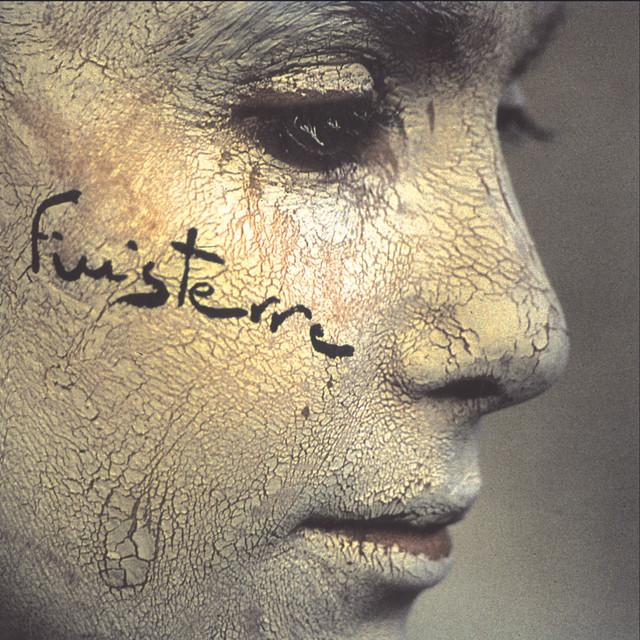
Finisterre

Rock
Progressive Rock
 Viberate Rank: 589908
 Viberate Rank: 589908
 Monthly ListenersFollowers
 Subscribers
 Followers
 Followers
 FansTop Spotify Songs
| Track | 7-Day Streams | |
|---|---|---|
1 | 14 | |
2 | 13 | |
3 | 8 | |
4 | 7 | |
5 | 5 |
Top YouTube VideosMonthly ListenersFeatured in Playlists| Playlist | Followers | |
|---|---|---|
1 |  Progressive Rock Forever: A collection of more than 1500 Prog Rock selected songs maurohmoraes2 | 3.20K |
2 |  The Sound of Italian Progressive Rock The Sounds of Spotify | 2.62K |
3 |  Italian Progressive Rock Dualismo Asintotico | 1.54K |
Audience| City | Monthly Listeners | |
|---|---|---|
1 |  | 15 |
2 | | 6 |
3 | | 4 |
4 |  | 4 |
5 | | 4 |
See full performance history, audience data, playlist activity, rankings, comparisons, and more in Viberate music analytics. Start with a free trial, then continue with a paid plan.
Finisterre’s Spotify BioThe scene was 1992 Italy. Two musicians, Stefano Marelli (guitar) and Fabio Zuffanti (bass) formed the group Finisterre. The two had previously played together in Calce and Compasso. They took the name Finisterre from the Latin phrase that means "finite land." It was meant to show their intent to break down creative and musical barriers. They recruited Boris Valle to play keyboards and Sergio Grazia on flute. They began a grand progressive rock/symphonic-oriented project. Their self-titled album was released three years later. Just one year later they followed up the release with In Limine. An album entitled Hostsonaten came out the same year under the banner Finisterre Project. It was actually a solo album by Zuffanti. He would do another album under banner Hostsonaten. The group added Andre Orlando on drums by 1997 and in two years later released In Ogni Luogo. In 2000, the band had some big personnel changes. They added Agostino Macor on keyboards, Raffaella Callea on vocals and… flute, and Sergio Caputo playing violin. This brought the band up to a six-piece. In 2001, the group had a live album, previously entitled Live at the Progday 1997 reissued as Storybook. ~ Gary Hill, Rovi
Viberate is a music analytics platform built for A&Rs, artist managers, labels, booking agents, marketers, and artists.
It helps music professionals track artist growth, analyze audience data, monitor playlist activity, compare artists, follow song performance, and identify opportunities across the music market.
Public artist pages provide a free preview of selected artist data. Paid plans provide access to deeper analytics, historical data, charts, comparisons, playlist tools, exports, alerts, reports, and additional professional features.
Yes. Public Viberate artist pages provide selected artist analytics and music data for free.
Viberate also offers a 7-day free trial of the full platform. A credit card is required to start the trial. The trial includes access to the complete product so users can test deeper artist analytics, historical views, playlist insights, comparisons, charts, exports, alerts, and reporting features before choosing a paid plan.
Viberate provides artist analytics across streaming, playlists, social media, video, radio airplay, songs, and audience markets.
Users can analyze Spotify performance, Spotify and Apple Music playlists, YouTube activity, TikTok and Instagram growth, radio spins, song performance, audience locations, demographics, rankings, and overall artist momentum.
Artist profiles also connect to music charts, similar artists, and comparison tools, helping users benchmark performance and evaluate artists in context.
Viberate updates key artist and track data daily.
For followed artists and tracks, selected data is refreshed multiple times per day. This helps teams monitor playlist changes, streaming movement, audience growth, releases, and campaign performance with more current data.
Update frequency can vary depending on the metric and data source.
Yes. Viberate lets users compare up to five artists side by side across streaming, social media, audience, and engagement metrics.
Users can compare fanbase growth, audience demographics, locations, Spotify performance, social metrics, and other artist data over selected time periods.
Artist comparison can be used for A&R scouting, benchmarking, booking decisions, campaign planning, and evaluating artists with similar audiences or market positions.