Final Void


Rock
Alternative Rock
Gothic Metal
 Viberate Rank: 583097
 Viberate Rank: 583097
 Monthly ListenersFollowers
 Subscribers
 Followers
 Followers
 FansTop Spotify Songs
| Track | 7-Day Streams | |
|---|---|---|
1 | 3 | |
2 | 2 | |
3 | 1 |
Top YouTube VideosMonthly ListenersFeatured in Playlists| Playlist | Followers | |
|---|---|---|
1 | Finland Rock and Heavy Metal James Johnson | 1.06K |
2 |  Encyclopedia Metallum (10k metal bands) Alex Drums | 868 |
3 |  Inverse Records (1 track from each band) Joni Kantoniemi | 322 |
4 |  Tripping and Ripping : Season 6 God8Acid | 130 |
Audience| City | Monthly Listeners | |
|---|---|---|
1 | | 4 |
See full performance history, audience data, playlist activity, rankings, comparisons, and more in Viberate music analytics. Start with a free trial, then continue with a paid plan.
Final Void was formed in 2012, as a continuation of the hard rock band called Rainy Season. The group began to develop their expression towards heavier melodic rock and metal. Final Void’s debut album “Sounds of Absence” was released in 2017, and it consisted, on the one hand, of songs made during the times of Rainy season, and on the other hand, of songs representing newer genre by Final Void’s guitarist Toni Hangasmäki. “Sounds of Absence” was well received around the world.
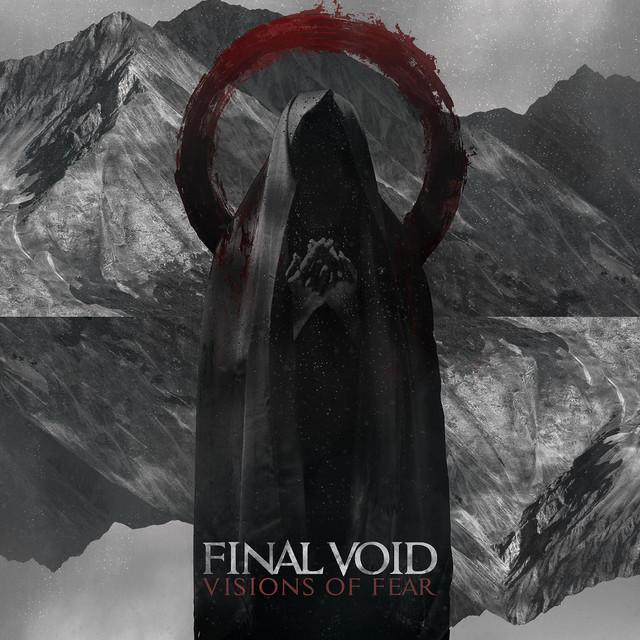
On 19.02.2021, Final Void released their second album “Visions of Fear”. In the lead of the guitarist Toni Hangasmäki, the group has refined their melodic and dynamic sound in their newest album, and now invites the listeners with them to a journey to the core of fear. The album’s atmosphere carries the listener throughout delicate melodies and disturbed harmonies, all the way to heavier but groovelike expression. Delight is only a faded memory in the middle of personal tragedies. In the end of the journey, the listener may find oneself at the edge of the Apocalypse with a questioned mental health, but also with new hope for life.
Final Void has started pre-production for their upcoming third album in 2024 and has plans to start album recordings in Q2-Q3 2025. Final Void has revealed that all albums are one big story that continues where The last album ended. Third album will open the story properly and it's been intentionally secret for the first two albums.
There are plans to wrap the entire story to a total of 6 albums.
Viberate is a music analytics platform built for A&Rs, artist managers, labels, booking agents, marketers, and artists.
It helps music professionals track artist growth, analyze audience data, monitor playlist activity, compare artists, follow song performance, and identify opportunities across the music market.
Public artist pages provide a free preview of selected artist data. Paid plans provide access to deeper analytics, historical data, charts, comparisons, playlist tools, exports, alerts, reports, and additional professional features.
Yes. Public Viberate artist pages provide selected artist analytics and music data for free.
Viberate also offers a 7-day free trial of the full platform. A credit card is required to start the trial. The trial includes access to the complete product so users can test deeper artist analytics, historical views, playlist insights, comparisons, charts, exports, alerts, and reporting features before choosing a paid plan.
Viberate provides artist analytics across streaming, playlists, social media, video, radio airplay, songs, and audience markets.
Users can analyze Spotify performance, Spotify and Apple Music playlists, YouTube activity, TikTok and Instagram growth, radio spins, song performance, audience locations, demographics, rankings, and overall artist momentum.
Artist profiles also connect to music charts, similar artists, and comparison tools, helping users benchmark performance and evaluate artists in context.
Viberate updates key artist and track data daily.
For followed artists and tracks, selected data is refreshed multiple times per day. This helps teams monitor playlist changes, streaming movement, audience growth, releases, and campaign performance with more current data.
Update frequency can vary depending on the metric and data source.
Yes. Viberate lets users compare up to five artists side by side across streaming, social media, audience, and engagement metrics.
Users can compare fanbase growth, audience demographics, locations, Spotify performance, social metrics, and other artist data over selected time periods.
Artist comparison can be used for A&R scouting, benchmarking, booking decisions, campaign planning, and evaluating artists with similar audiences or market positions.