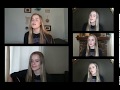
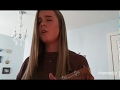
Fin McDowell

Pop
Indie Pop
 Viberate Rank: 311975
 Viberate Rank: 311975
 Monthly ListenersFollowers
 Subscribers
 Followers
 Followers
 FansTop Spotify Songs
| Track | 7-Day Streams | |
|---|---|---|
1 | 244 | |
2 | 120 | |
3 | 67 | |
4 | 41 | |
5 | 39 |
Top YouTube Videos| Video | 7-Day Views | |
|---|---|---|
1 | 3 | |
2 | 2 | |
3 | 1 | |
4 | 1 | |
5 | 1 |
Monthly ListenersFeatured in Playlists| Playlist | Followers | |
|---|---|---|
1 |  SOUL SELECTION volume up | 46.46K |
2 |  𝗣𝗢𝗩: 𝗜𝘁'𝘀 𝟮𝟬𝟭𝟬 musicsfavorites | 33.42K |
3 |  CRASHOUT ANTHEMS HomePod | 14.49K |
4 |  2000s R&B Club Bangers Replay Curator | 13.88K |
5 |  sad Craft Vibes | 13.25K |
Audience| City | Monthly Listeners | |
|---|---|---|
1 |  | 49 |
2 | | 35 |
3 |  | 19 |
4 | | 16 |
5 | | 14 |
See full performance history, audience data, playlist activity, rankings, comparisons, and more in Viberate music analytics. Start with a free trial, then continue with a paid plan.
Fin McDowell’s Spotify BioFrom a very early age, Fin McDowell had a connection to music that was undeniable. Her parents tell her that she was singing songs before she could speak. With musical influences running the gambit from folk, Christian contemporary, country, Celtic, and pop, a beautiful style emerged. Over time Fin would derive her own authentic voice and style. Her writing is inspired by an eclectic group of artists like Imogen Heap, John Mayer, Lennon Stella, Lizzy McAlpine, and Sara Bareilles. Her own writing style shines through in intelligent, authentic lyrics paired with guitar or keys offering listeners introspection in an age of separation.
Her debut single "Losing Game" exemplifies her style with engaging lyrics and a goosebump-inducing bridge and chorus. Written at the beginning of the pandemic, the song is a representation of emotions of self-doubt and inadequacy but also a resolution of overcoming those emotions. The song introduced Fin to a new worldwide audience, being heard by many on… radio and Spotify. Fin’s newest release, “Why Do I Try” is a journey into self exploration and reflection, and offers fierce vocals paired with a new energetic groove.
Fin showcased at Canadian Music Week in 2022 and has shared the stage with talented performers like Reuben and the Dark, JJ Shiplett, and The Static Shift.
Viberate is a music analytics platform built for A&Rs, artist managers, labels, booking agents, marketers, and artists.
It helps music professionals track artist growth, analyze audience data, monitor playlist activity, compare artists, follow song performance, and identify opportunities across the music market.
Public artist pages provide a free preview of selected artist data. Paid plans provide access to deeper analytics, historical data, charts, comparisons, playlist tools, exports, alerts, reports, and additional professional features.
Yes. Public Viberate artist pages provide selected artist analytics and music data for free.
Viberate also offers a 7-day free trial of the full platform. A credit card is required to start the trial. The trial includes access to the complete product so users can test deeper artist analytics, historical views, playlist insights, comparisons, charts, exports, alerts, and reporting features before choosing a paid plan.
Viberate provides artist analytics across streaming, playlists, social media, video, radio airplay, songs, and audience markets.
Users can analyze Spotify performance, Spotify and Apple Music playlists, YouTube activity, TikTok and Instagram growth, radio spins, song performance, audience locations, demographics, rankings, and overall artist momentum.
Artist profiles also connect to music charts, similar artists, and comparison tools, helping users benchmark performance and evaluate artists in context.
Viberate updates key artist and track data daily.
For followed artists and tracks, selected data is refreshed multiple times per day. This helps teams monitor playlist changes, streaming movement, audience growth, releases, and campaign performance with more current data.
Update frequency can vary depending on the metric and data source.
Yes. Viberate lets users compare up to five artists side by side across streaming, social media, audience, and engagement metrics.
Users can compare fanbase growth, audience demographics, locations, Spotify performance, social metrics, and other artist data over selected time periods.
Artist comparison can be used for A&R scouting, benchmarking, booking decisions, campaign planning, and evaluating artists with similar audiences or market positions.