Fightstar

Rock
Indie Rock
Post Hardcore
 Viberate Rank: 72670
 Viberate Rank: 72670
 Monthly ListenersFollowers
 Subscribers
 Followers
 Followers
 FansTop Spotify Songs
| Track | 7-Day Streams | |
|---|---|---|
1 | 12.33K | |
2 | 7.46K | |
3 | 6.32K | |
4 | 6.32K | |
5 | 4.66K |
Top YouTube Videos| Video | 7-Day Views | |
|---|---|---|
1 | 5.53K | |
2 | 2.73K | |
3 | 1.50K | |
4 | 930 | |
5 | 915 |
Monthly ListenersFeatured in Playlists| Playlist | Followers | |
|---|---|---|
1 | Best Alternative Rock From the 90's until Now Jose Manuel Lopez Escribano | 91.65K |
2 |  Post-Hardcore atruskot | 46.52K |
3 | Screamo/Post-Hardcore/Metalcore/Emocore Billy Storm | 31.91K |
4 | Hard Rock Training/Workout nachpe | 26.21K |
5 | KERRANG❕- The Anthems laurenjane.b | 21.24K |
Audience| City | Monthly Listeners | |
|---|---|---|
1 | | 6.71K |
2 | | 3.90K |
3 | | 2.29K |
4 | | 1.99K |
5 | | 890 |
See full performance history, audience data, playlist activity, rankings, comparisons, and more in Viberate music analytics. Start with a free trial, then continue with a paid plan.
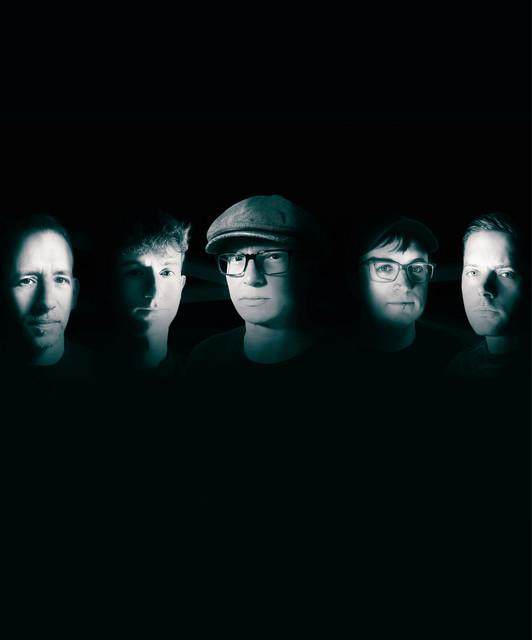
Fightstar’s Spotify BioLondon-based post-hardcore outfit Fightstar came to life in the mid-2000s when guitarist/vocalist Charlie Simpson was actually still a member of the U.K. pop trio Busted. Itching to tap more fully into his rock side, a random jam at a party soon turned into Simpson writing and playing songs on the side with guitarist Al Westaway and drummer Omar Abdid. Realizing they needed a bass player to enter the studio, a schoolmate of Westaway's, Dan Haigh, soon joined Fightstar's ranks. Rehearsing and playing as often as Simpson's Busted schedule would allow, things quickly got more serious and it became apparent that a decision regarding the band's future had to be made. Simpson ultimately left Busted -- the group officially called it quits in early 2005 -- and he looked eagerly ahead to life with Fightstar. The guys began making a name for themselves around England, both playing the Reading and Leeds Festival and releasing their Island debut EP, They Liked You Better When You Were Dead, in… summer 2005. Signing with U.S.-based indie Deep Elm in September, the label re-released their EP stateside the following April as their full-length, Grand Unification, dropped back at home. The album, produced by Colin Richardson (Funeral for a Friend, Machine Head), expanded on their prior effort while exploring darker themes. Fightstar supported Funeral for a Friend that spring and early summer in Australia and the U.K. A slot at the 2006 Download Festival followed in June, as the guys raised some controversy when their video for the single "Paint Your Target" got banned in the U.K. and U.S. for depicting schoolchildren engaged in a fake war. Regardless, Fightstar pressed on and signed to Trustkill Records in early 2007 with plans to release Grand Unification in North America that spring. ~ Corey Apar, Rovi
Viberate is a music analytics platform built for A&Rs, artist managers, labels, booking agents, marketers, and artists.
It helps music professionals track artist growth, analyze audience data, monitor playlist activity, compare artists, follow song performance, and identify opportunities across the music market.
Public artist pages provide a free preview of selected artist data. Paid plans provide access to deeper analytics, historical data, charts, comparisons, playlist tools, exports, alerts, reports, and additional professional features.
Yes. Public Viberate artist pages provide selected artist analytics and music data for free.
Viberate also offers a 7-day free trial of the full platform. A credit card is required to start the trial. The trial includes access to the complete product so users can test deeper artist analytics, historical views, playlist insights, comparisons, charts, exports, alerts, and reporting features before choosing a paid plan.
Viberate provides artist analytics across streaming, playlists, social media, video, radio airplay, songs, and audience markets.
Users can analyze Spotify performance, Spotify and Apple Music playlists, YouTube activity, TikTok and Instagram growth, radio spins, song performance, audience locations, demographics, rankings, and overall artist momentum.
Artist profiles also connect to music charts, similar artists, and comparison tools, helping users benchmark performance and evaluate artists in context.
Viberate updates key artist and track data daily.
For followed artists and tracks, selected data is refreshed multiple times per day. This helps teams monitor playlist changes, streaming movement, audience growth, releases, and campaign performance with more current data.
Update frequency can vary depending on the metric and data source.
Yes. Viberate lets users compare up to five artists side by side across streaming, social media, audience, and engagement metrics.
Users can compare fanbase growth, audience demographics, locations, Spotify performance, social metrics, and other artist data over selected time periods.
Artist comparison can be used for A&R scouting, benchmarking, booking decisions, campaign planning, and evaluating artists with similar audiences or market positions.