Fighting Gravity

Rock
Pop Rock
Ska
 Viberate Rank: 472893
 Viberate Rank: 472893
 Monthly ListenersFollowers
 Subscribers
 Followers
 Followers
 FansTop Spotify Songs
| Track | 7-Day Streams | |
|---|---|---|
1 | 242 | |
2 | 237 | |
3 | 236 | |
4 | 118 | |
5 | 90 |
Top YouTube VideosMonthly ListenersFeatured in Playlists| Playlist | Followers | |
|---|---|---|
1 | Ska/Punk Covers billludwig | 7.86K |
2 | 90/180 BPM Running All Genres 12721221 | 3.45K |
3 | Best Cover Songs in one Playlist Felix Meirich | 1.26K |
Audience| City | Monthly Listeners | |
|---|---|---|
1 | | 93 |
2 | | 60 |
3 | | 49 |
4 | | 36 |
5 | | 27 |
See full performance history, audience data, playlist activity, rankings, comparisons, and more in Viberate music analytics. Start with a free trial, then continue with a paid plan.
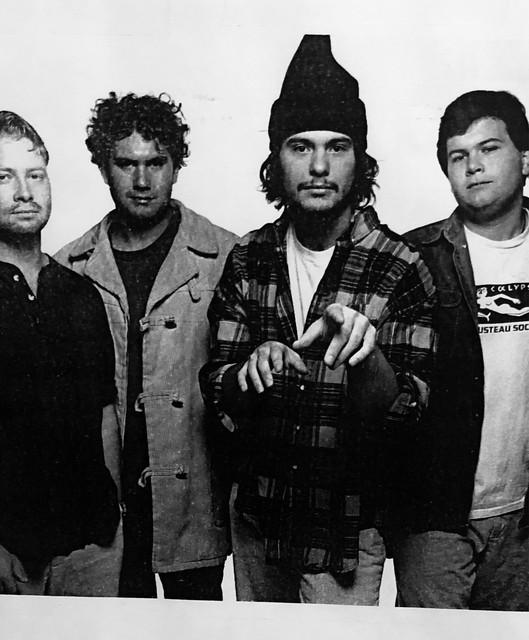
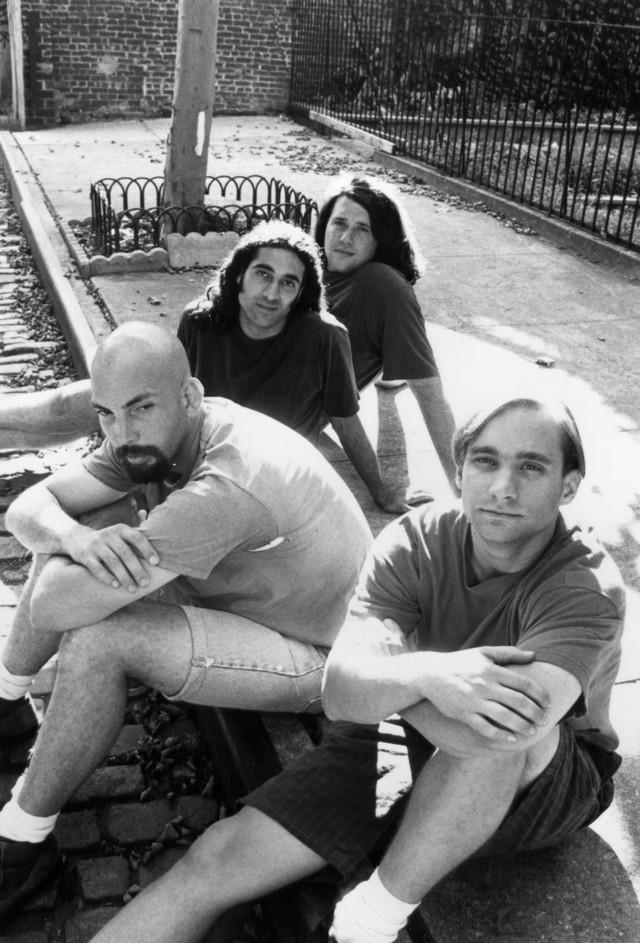
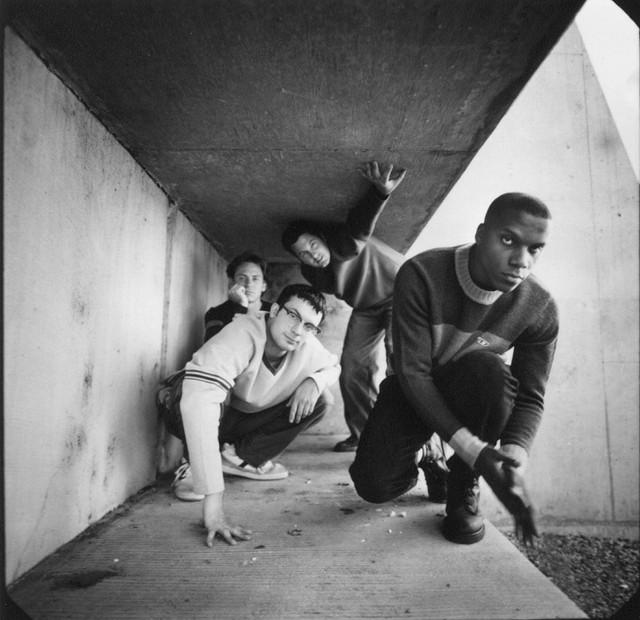
Fighting Gravity’s Spotify BioThe Richmond, VA-based ska outfit Fighting Gravity comprised vocalist Schiavone McGee, guitarist David "Tree" Triano, bassist Dave Peterson, keyboardist Eric Lawson, trombonist Chris Leitch, saxophonist Karl von Klein and drummer Mike Boyd. Formed while its members were attending Virginia Polytechnic Institute during the mid-'80s, the group -- originally dubbed "Boy O Boy" -- spent the next decade touring relentlessly, playing between 150 to 200 dates a year up and down the Eastern seaboard. After earning a large following playing clubs and frat houses, in 1990 Fighting Gravity founded their own label, BOB Records, and issued their debut LP Boy O Boy. Shishskabob followed in 1992, as did Bobsled, a collection of Christmas music originally available only at the group's live shows. After two more indie releases, 1994's No Stopping, No Standing and 1996's Forever Equals 1 day, Fighting Gravity signed to Mercury, issuing You & Everybody Else in 1998 . Hello Cleveland, a collection of hits… and previously unreleased material, followed a year later. Under the Radar, which was released in summer 2001, showcased Fighting Gravity's first acoustic/unplugged concert captured on CD. The album included brand new recordings and acoustic compositions of some of the band's most familiar tracks. ~ Jason Ankeny, Rovi
Viberate is a music analytics platform built for A&Rs, artist managers, labels, booking agents, marketers, and artists.
It helps music professionals track artist growth, analyze audience data, monitor playlist activity, compare artists, follow song performance, and identify opportunities across the music market.
Public artist pages provide a free preview of selected artist data. Paid plans provide access to deeper analytics, historical data, charts, comparisons, playlist tools, exports, alerts, reports, and additional professional features.
Yes. Public Viberate artist pages provide selected artist analytics and music data for free.
Viberate also offers a 7-day free trial of the full platform. A credit card is required to start the trial. The trial includes access to the complete product so users can test deeper artist analytics, historical views, playlist insights, comparisons, charts, exports, alerts, and reporting features before choosing a paid plan.
Viberate provides artist analytics across streaming, playlists, social media, video, radio airplay, songs, and audience markets.
Users can analyze Spotify performance, Spotify and Apple Music playlists, YouTube activity, TikTok and Instagram growth, radio spins, song performance, audience locations, demographics, rankings, and overall artist momentum.
Artist profiles also connect to music charts, similar artists, and comparison tools, helping users benchmark performance and evaluate artists in context.
Viberate updates key artist and track data daily.
For followed artists and tracks, selected data is refreshed multiple times per day. This helps teams monitor playlist changes, streaming movement, audience growth, releases, and campaign performance with more current data.
Update frequency can vary depending on the metric and data source.
Yes. Viberate lets users compare up to five artists side by side across streaming, social media, audience, and engagement metrics.
Users can compare fanbase growth, audience demographics, locations, Spotify performance, social metrics, and other artist data over selected time periods.
Artist comparison can be used for A&R scouting, benchmarking, booking decisions, campaign planning, and evaluating artists with similar audiences or market positions.