Fifth Angel

Metal
Heavy Metal
Glam Metal
Hard Rock
 Viberate Rank: 160983
 Viberate Rank: 160983
 Monthly ListenersFollowers
 Subscribers
 Followers
 Followers
 FansTop Spotify Songs
| Track | 7-Day Streams | |
|---|---|---|
1 | 1.14K | |
2 | 1.12K | |
3 | 1.05K | |
4 | 963 | |
5 | 681 |
Top YouTube VideosMonthly ListenersFeatured in Playlists| Playlist | Followers | |
|---|---|---|
1 |  80’s Hair Metal & Rock halun1 | 40.37K |
2 | Metal🤘🏻 Naydil González | 16.45K |
3 | Ultimate 80s Metal! Michael Field | 15.41K |
4 |  BEST OF GLAM METAL 👩🏻🎤👩🏼🎤 agustinmorenodelrio | 13.06K |
5 |  Winter Arc 2026-27 Demosthenes Asp | 12.38K |
Audience| City | Monthly Listeners | |
|---|---|---|
1 |  | 287 |
2 |  | 269 |
3 |  | 163 |
4 |  | 158 |
5 |  | 156 |
See full performance history, audience data, playlist activity, rankings, comparisons, and more in Viberate music analytics. Start with a free trial, then continue with a paid plan.
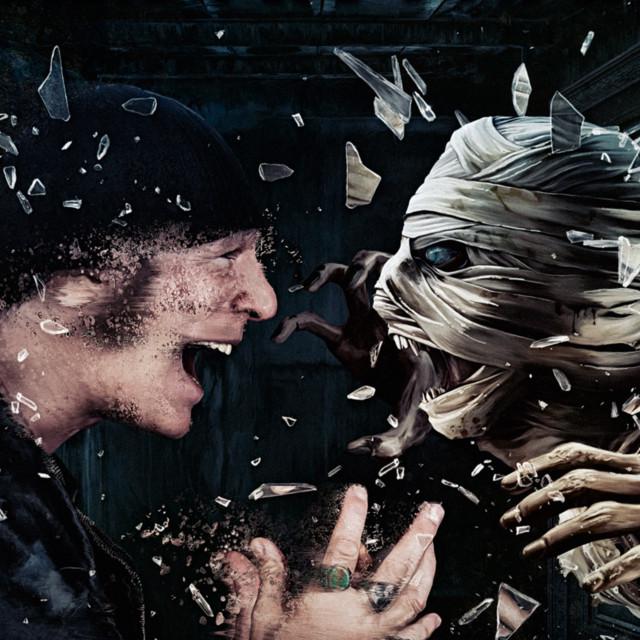
Fifth Angel’s Spotify BioAn American heavy metal/hard rock outfit based in Bellevue, Washington, Fifth Angel emerged in the mid-'80s with a hard-charging melodic sound that drew inspiration from the New Wave of British Heavy Metal, and echoed the sonic emissions of Pacific Northwest contemporaries Queensrÿche and Metal Church. The band issued a pair of well-received LPs in the late '80s -- 1986's Fifth Angel and 1989's Time Will Tell -- before falling prey to the shifting musical landscape of the early '90s and disbanding. They re-formed in 2017 and inked a deal with Nuclear Blast, which issued The Third Secret in 2018 and double concept LP When Angels Kill in 2023.
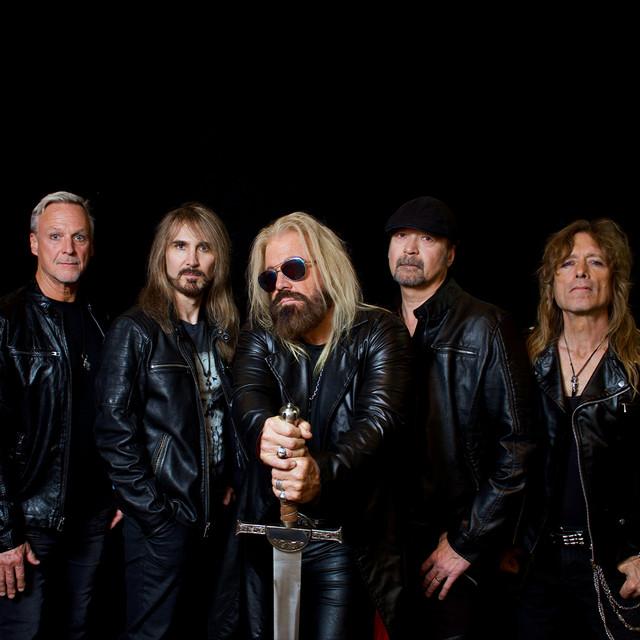
Founded in 1983 by high-school friends Ted Pilot (vocals) and Ed Archer (guitar), the band eventually expanded to a five-piece with the arrivals of James Byrd (lead guitar), John Macko, and Ken Mary (drums). Fifth Angel's bombastic classic metal earned the approval of Shrapnel Records, who issued their eponymous debut in 1986; the album was… co-produced by Terry Date, who would go on to helm platinum-selling outings by the likes of Pantera, Soundgarden, and White Zombie. While Fifth Angel turned some heads at home, the LP found a sizable audience overseas, and was an early success for then-fledgling label Roadrunner, who handled its European distribution.
It also attracted the powerful Concrete Management, which began shopping the album to major labels and forced the band into a state of limbo while they awaited the protracted negotiations' conclusion. During this time, bandmembers kept busy with various side projects, most notably drummer Mary, who did session work for Alice Cooper and House of Lords. Finally, Fifth Angel was handed a long-term deal by Epic Records, which subsequently reissued their debut album in 1988. By then, Byrd had already left to launch a solo career (beginning with the Atlantis Rising album, also on Shrapnel) and was replaced by prodigious guitarist Kendall Bechtel prior to the sessions for 1989's belated Time Will Tell. The record sold well -- the single "Midnight Love" was picked up as the theme song for Howard Stern's enormously popular radio show -- but the band, like so many of their contemporaries, were unable to stem the tide of the incoming alternative rock and post-grunge scene, and ceased operations the following year.
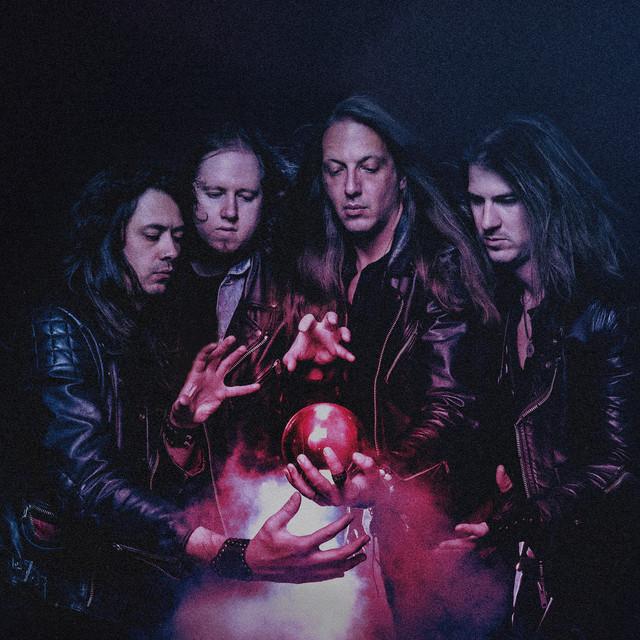
In 2010, Fifth Angel resurfaced with most of its core members -- Heir Apparent frontman Peter Orullian was brought in to replace Ted Pilot, who had become a successful endodontist -- to headline the Keep It True festival in Lauda-Koenigshofen, Germany. After being asked back in 2017, the group officially re-formed and signed with Nuclear Blast. Now operating as a tight four-piece consisting of Archer, Mary, Macko, and Bechtel, the latter of whom took over lead vocals, the group released the melodic power metal-leaning The Third Secret in 2018, their first collection of new material in nearly three decades. 2023's ambitious When Angels Kill saw the band deliver a narrative-driven double album that weaved in subject matter from their last three efforts. ~ James Christopher Monger, Rovi
Viberate is a music analytics platform built for A&Rs, artist managers, labels, booking agents, marketers, and artists.
It helps music professionals track artist growth, analyze audience data, monitor playlist activity, compare artists, follow song performance, and identify opportunities across the music market.
Public artist pages provide a free preview of selected artist data. Paid plans provide access to deeper analytics, historical data, charts, comparisons, playlist tools, exports, alerts, reports, and additional professional features.
Yes. Public Viberate artist pages provide selected artist analytics and music data for free.
Viberate also offers a 7-day free trial of the full platform. A credit card is required to start the trial. The trial includes access to the complete product so users can test deeper artist analytics, historical views, playlist insights, comparisons, charts, exports, alerts, and reporting features before choosing a paid plan.
Viberate provides artist analytics across streaming, playlists, social media, video, radio airplay, songs, and audience markets.
Users can analyze Spotify performance, Spotify and Apple Music playlists, YouTube activity, TikTok and Instagram growth, radio spins, song performance, audience locations, demographics, rankings, and overall artist momentum.
Artist profiles also connect to music charts, similar artists, and comparison tools, helping users benchmark performance and evaluate artists in context.
Viberate updates key artist and track data daily.
For followed artists and tracks, selected data is refreshed multiple times per day. This helps teams monitor playlist changes, streaming movement, audience growth, releases, and campaign performance with more current data.
Update frequency can vary depending on the metric and data source.
Yes. Viberate lets users compare up to five artists side by side across streaming, social media, audience, and engagement metrics.
Users can compare fanbase growth, audience demographics, locations, Spotify performance, social metrics, and other artist data over selected time periods.
Artist comparison can be used for A&R scouting, benchmarking, booking decisions, campaign planning, and evaluating artists with similar audiences or market positions.