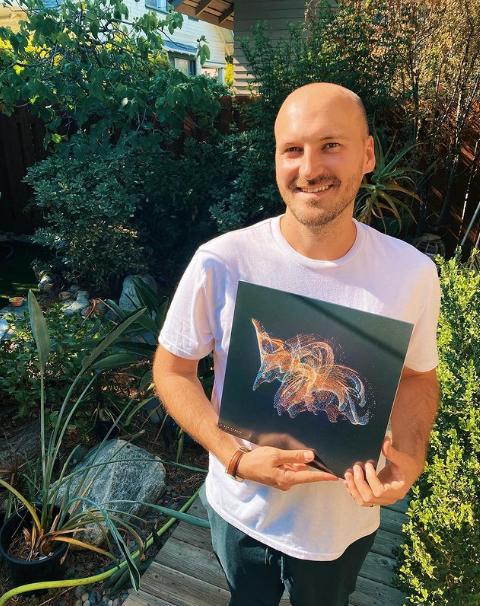
Felix Räuber

Electronic
Downtempo
Indie Rock
 Viberate Rank: 145255
 Viberate Rank: 145255
 Monthly ListenersFollowers
 Subscribers
 Followers
 Followers
 FansTop Spotify Songs
| Track | 7-Day Streams | |
|---|---|---|
1 | 5.27K | |
2 | 3.88K | |
3 | 2.84K | |
4 | 2.48K | |
5 | 1.10K |
Top YouTube Videos| Video | 7-Day Views | |
|---|---|---|
1 | 676 | |
2 | 642 | |
3 | 415 | |
4 | 353 | |
5 | 330 |
Monthly ListenersFeatured in Playlists| Playlist | Followers | |
|---|---|---|
1 |  Quiet Music for Reading enjou | 494.84K |
2 |  Not Quite Classical Spotify | 255.16K |
3 |  Movie Soundtracks & Cinematic Music (Classical & Instrumental) Tobias Schneider | 217.43K |
4 |  cloud gazing Spotify | 129.02K |
5 |  Reading Music (Instrumentals) Trevor Reeves | 123.99K |
Audience| City | Monthly Listeners | |
|---|---|---|
1 | | 1.36K |
2 | | 808 |
3 | | 797 |
4 | | 776 |
5 | | 597 |
See full performance history, audience data, playlist activity, rankings, comparisons, and more in Viberate music analytics. Start with a free trial, then continue with a paid plan.
Felix Räuber’s Spotify BioFelix Räuber is a singer, composer, and producer best known as the frontman of the electropop band Polarkreis 18 (“Allein Allein”). His musical sound, Cinematic Pop, is a unique blend of pop, neoclassical, and electronic music.
Musical associations include artists such as Nils Frahm, Moderat, and Radiohead. Felix has collaborated with a number of established artists, including star violinist Daniel Hope and singer-songwriter Scott Matthew, across his EPs WALL, ME, AUTSIDER, SYMPHONIC EP, CHANGE, and THE OTHER SIDE OF SEA. A collaboration with star pianist Martin Herzberg resulted in an EP released in September 2022 and an album in April 2023.
With “Après Minuit” (feat. Schlindwein), Felix Räuber’s music appears in the series finale of the US TV series How to Get Away with Murder as well as in Season 18 of Grey’s Anatomy.
Furthermore, Felix Räuber has founded a new concert format called Traumkonzert (Dream Concert). This unique, immersive experience invites audiences to listen while lying… down in single or double beds, reclining chairs, or seated. Blending cinematic music, light, and space, Traumkonzerte create moments of stillness and deep emotional connection. The Traumkonzert Tour 2026 includes more than 25 concerts, with thousands of tickets already sold, and continues to grow into a distinctive and evolving concert format.
Viberate is a music analytics platform built for A&Rs, artist managers, labels, booking agents, marketers, and artists.
It helps music professionals track artist growth, analyze audience data, monitor playlist activity, compare artists, follow song performance, and identify opportunities across the music market.
Public artist pages provide a free preview of selected artist data. Paid plans provide access to deeper analytics, historical data, charts, comparisons, playlist tools, exports, alerts, reports, and additional professional features.
Yes. Public Viberate artist pages provide selected artist analytics and music data for free.
Viberate also offers a 7-day free trial of the full platform. A credit card is required to start the trial. The trial includes access to the complete product so users can test deeper artist analytics, historical views, playlist insights, comparisons, charts, exports, alerts, and reporting features before choosing a paid plan.
Viberate provides artist analytics across streaming, playlists, social media, video, radio airplay, songs, and audience markets.
Users can analyze Spotify performance, Spotify and Apple Music playlists, YouTube activity, TikTok and Instagram growth, radio spins, song performance, audience locations, demographics, rankings, and overall artist momentum.
Artist profiles also connect to music charts, similar artists, and comparison tools, helping users benchmark performance and evaluate artists in context.
Viberate updates key artist and track data daily.
For followed artists and tracks, selected data is refreshed multiple times per day. This helps teams monitor playlist changes, streaming movement, audience growth, releases, and campaign performance with more current data.
Update frequency can vary depending on the metric and data source.
Yes. Viberate lets users compare up to five artists side by side across streaming, social media, audience, and engagement metrics.
Users can compare fanbase growth, audience demographics, locations, Spotify performance, social metrics, and other artist data over selected time periods.
Artist comparison can be used for A&R scouting, benchmarking, booking decisions, campaign planning, and evaluating artists with similar audiences or market positions.