Feeling Pump

Electronic
Dance
 Viberate Rank: 663996
 Viberate Rank: 663996
 Monthly ListenersFollowers
 Subscribers
 Followers
 Followers
 FansTop Spotify Songs
| Track | 7-Day Streams | |
|---|---|---|
1 | 8 | |
2 | 7 | |
3 | 7 | |
4 | 3 | |
5 | 1 |
Top YouTube VideosMonthly ListenersFeatured in Playlists| Playlist | Followers | |
|---|---|---|
1 |  Progressive House, Melodic House & Melodic Techno | Digiment Records FlexB | 3.51K |
2 |  Jayboo Best Of: Tech House Mateus Bruschi Basso | 2.75K |
Audience| City | Monthly Listeners | |
|---|---|---|
1 | | 7 |
2 | | 4 |
3 | | 3 |
4 | | 3 |
See full performance history, audience data, playlist activity, rankings, comparisons, and more in Viberate music analytics. Start with a free trial, then continue with a paid plan.
Feeling Pump’s Spotify Biohttps://open.spotify.com/show/6HFK1LikLqzAtqyQ3ZW9C2
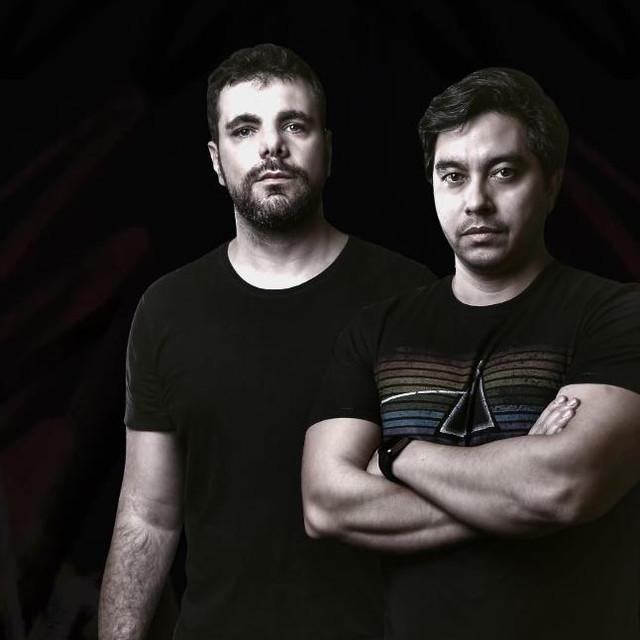
Feeling Pump is an electronic music project created by DJ Kazu in partnership with
Leandro Dundes, after more than twenty years of experience as DJ, and three years
studying music production. Their production seeks a mix of musical influences that
goes from electronic to rock, combining genres, aligned to the groove and always
seeking originality. There are many influences from dinosaurs like Kraftwerk, Depeche
Mode, Joy Division, to the contemporaries like Solomun, Camelphat, Dashdot, Gabe,
Gui Borato, among others.
The productions are authorial since the creation of the lyrics and the vocals of L.
Dundes, which introduces to the presentation, live vocal, percussions and synthesizer.
With his bands Dustt and Monocoma, Dundes has already performed on important
stages such as MTV, Sesc, Virada Cultural, among other various festivals and
nightclubs, adding to the project mixes, originality and own identity. Besides the
vocals, there are several… other organic elements.
The duo is on a growing rise, having presented themselves in nightclubs and festivals
like VIVA LA VIDA WEEKEND, DREAM FESTIVAL, 4US and OSHUA.
At the moment the project is focused on producing and launching new unpublished
tracks, having just released the music/video clip "Freakish Girl" by WARNER Music, one
of the largest record labels of the world.
Viberate is a music analytics platform built for A&Rs, artist managers, labels, booking agents, marketers, and artists.
It helps music professionals track artist growth, analyze audience data, monitor playlist activity, compare artists, follow song performance, and identify opportunities across the music market.
Public artist pages provide a free preview of selected artist data. Paid plans provide access to deeper analytics, historical data, charts, comparisons, playlist tools, exports, alerts, reports, and additional professional features.
Yes. Public Viberate artist pages provide selected artist analytics and music data for free.
Viberate also offers a 7-day free trial of the full platform. A credit card is required to start the trial. The trial includes access to the complete product so users can test deeper artist analytics, historical views, playlist insights, comparisons, charts, exports, alerts, and reporting features before choosing a paid plan.
Viberate provides artist analytics across streaming, playlists, social media, video, radio airplay, songs, and audience markets.
Users can analyze Spotify performance, Spotify and Apple Music playlists, YouTube activity, TikTok and Instagram growth, radio spins, song performance, audience locations, demographics, rankings, and overall artist momentum.
Artist profiles also connect to music charts, similar artists, and comparison tools, helping users benchmark performance and evaluate artists in context.
Viberate updates key artist and track data daily.
For followed artists and tracks, selected data is refreshed multiple times per day. This helps teams monitor playlist changes, streaming movement, audience growth, releases, and campaign performance with more current data.
Update frequency can vary depending on the metric and data source.
Yes. Viberate lets users compare up to five artists side by side across streaming, social media, audience, and engagement metrics.
Users can compare fanbase growth, audience demographics, locations, Spotify performance, social metrics, and other artist data over selected time periods.
Artist comparison can be used for A&R scouting, benchmarking, booking decisions, campaign planning, and evaluating artists with similar audiences or market positions.