Fatty Koo

R&B
Contemporary R&B
 Viberate Rank: 300802
 Viberate Rank: 300802
 Monthly ListenersFollowers
 Subscribers
 Followers
 Followers
 FansTop Spotify Songs
| Track | 7-Day Streams | |
|---|---|---|
1 | 2.10K | |
2 | 788 | |
3 | 377 | |
4 | 206 | |
5 | 85 |
Top YouTube VideosMonthly ListenersFeatured in Playlists| Playlist | Followers | |
|---|---|---|
1 | RnB 2000s Christian Perry | 178.64K |
2 | Love Songs Jess | 15.95K |
3 | Dreamsounds Wave891 Gerard Telles | 14.50K |
4 | R&B LOVE SONGS Anne-Joëlle | 6.98K |
5 |  Neo Soul derrickwlk | 3.25K |
Audience| City | Monthly Listeners | |
|---|---|---|
1 | | 251 |
2 | | 201 |
3 | | 184 |
4 | | 181 |
5 | | 159 |
See full performance history, audience data, playlist activity, rankings, comparisons, and more in Viberate music analytics. Start with a free trial, then continue with a paid plan.
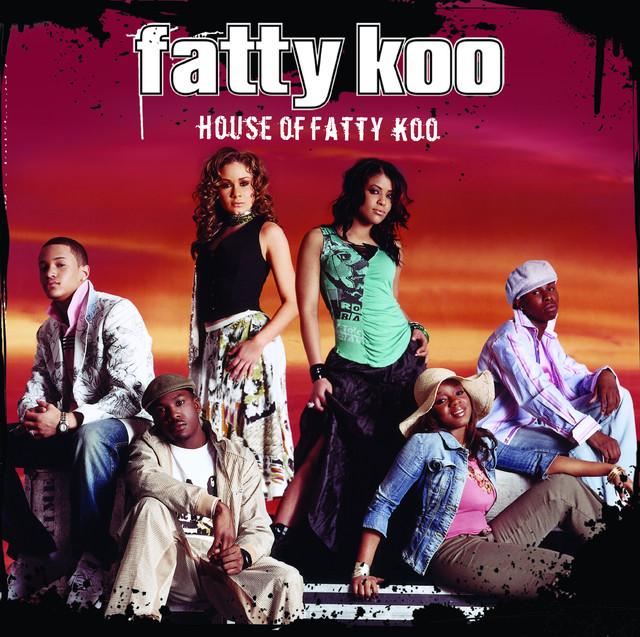
Fatty Koo’s Spotify BioThe five original members of the musical collective Fatty Koo met in Columbus, OH. Eddie B, Gabrielle, Marya, Ron, and Valure were in the city's CAPACITY youth arts program, a program that allowed young urban artists to work with renowned artists and arts administrators. The idea of working together first came to light during the CAPACITY-sponsored "Columbus Songwriters' Summit for Oneness" in 2004. Although the members had varied backgrounds and tastes in music, together they had chemistry and a decision was made to stick together. When the non-profit John Lennon Educational Tour Bus brought its mobile recording studio to Columbus, the five recorded a demo, one that came to the attention of DAS Management. With the Fugees and the Black Eyed Peas as former clients, DAS Management was perfectly suited to develop the collective's blend of hip-hop, R&B, pop, and dance. Soon, Sony Music and BET were involved. Sony signed the collective, and BET worked a deal where their climb to stardom… would be documented and developed into a television show. The public got to see the five settle on the name Fatty Koo when BET's Blowin' Up: Fatty Koo premiered in April of 2005. A month later they got to see new member Josh added to the band and the group's debut album come together. The album, House of Fatty Koo, was released in June of 2005 as its lead single, "Bounce," was being featured during ABC's coverage of the NBA playoffs. ~ David Jeffries, Rovi
Viberate is a music analytics platform built for A&Rs, artist managers, labels, booking agents, marketers, and artists.
It helps music professionals track artist growth, analyze audience data, monitor playlist activity, compare artists, follow song performance, and identify opportunities across the music market.
Public artist pages provide a free preview of selected artist data. Paid plans provide access to deeper analytics, historical data, charts, comparisons, playlist tools, exports, alerts, reports, and additional professional features.
Yes. Public Viberate artist pages provide selected artist analytics and music data for free.
Viberate also offers a 7-day free trial of the full platform. A credit card is required to start the trial. The trial includes access to the complete product so users can test deeper artist analytics, historical views, playlist insights, comparisons, charts, exports, alerts, and reporting features before choosing a paid plan.
Viberate provides artist analytics across streaming, playlists, social media, video, radio airplay, songs, and audience markets.
Users can analyze Spotify performance, Spotify and Apple Music playlists, YouTube activity, TikTok and Instagram growth, radio spins, song performance, audience locations, demographics, rankings, and overall artist momentum.
Artist profiles also connect to music charts, similar artists, and comparison tools, helping users benchmark performance and evaluate artists in context.
Viberate updates key artist and track data daily.
For followed artists and tracks, selected data is refreshed multiple times per day. This helps teams monitor playlist changes, streaming movement, audience growth, releases, and campaign performance with more current data.
Update frequency can vary depending on the metric and data source.
Yes. Viberate lets users compare up to five artists side by side across streaming, social media, audience, and engagement metrics.
Users can compare fanbase growth, audience demographics, locations, Spotify performance, social metrics, and other artist data over selected time periods.
Artist comparison can be used for A&R scouting, benchmarking, booking decisions, campaign planning, and evaluating artists with similar audiences or market positions.