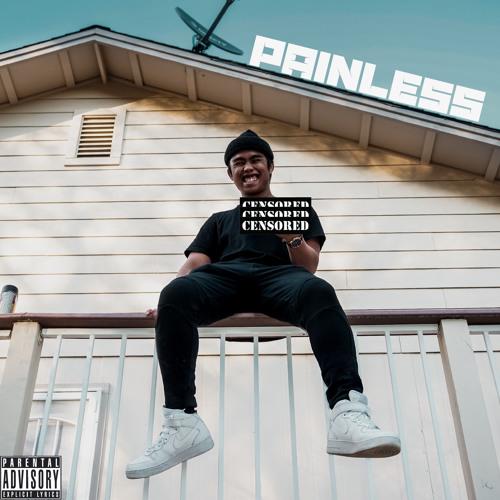
Farrari Yanni

Hip Hop
Trap
Contemporary Hip Hop
 Viberate Rank: 354149
 Viberate Rank: 354149
 Monthly ListenersFollowers
 Subscribers
 Followers
 Followers
 FansTop Spotify Songs
| Track | 7-Day Streams | |
|---|---|---|
1 | 6 | |
2 | 5 | |
3 | 5 | |
4 | 4 | |
5 | 4 |
Top YouTube VideosMonthly ListenersFeatured in Playlists| Playlist | Followers | |
|---|---|---|
1 | Spotify Charts | 36.49K |
2 |  Trap Essentials 🔥 emolists | 10.48K |
3 |  Best New Hip Hop (2026) Daily Fresh Finds | 8.38K |
4 |  Rap Champions | Rap 2021 SKYFALL SOUND | 4.52K |
5 |  Remixes 2026 Seal Network | 3.18K |
Audience| City | Monthly Listeners | |
|---|---|---|
1 | | 5 |
2 |  | 3 |
3 | | 3 |
See full performance history, audience data, playlist activity, rankings, comparisons, and more in Viberate music analytics. Start with a free trial, then continue with a paid plan.
Farrari Yanni’s Spotify BioFarrari Yanni hails from the southside of Chicago and is highly influenced by the "go-getter" mentality that the Windy City breeds. He relates to the passion of the soulful records of the '70s and '80s, that were introduced to him in his youth by older family members. His motivation to make something out of nothing allows Yanni to visualize his desired destination while executing necessary goals. He dropped two hard-hitting singles "Doin Me" and "Keep Smiling" Summer 2020, and followed in 2021 with "Help U Get It" and "Fear God". His latest single "Video Vixen" features Baha Bank$ and is available now everywhere.
Yanni was his childhood nickname, and since his favorite sports car is a Ferrari, he added it to his nickname, to create his professional stage name Farrari Yanni. By 2016, he realized his ability to touch listeners through his emotional invoking freestyle lyrics. Inspired by his own real-life struggles, gritty lifestyle, and pain poetry, paired with his unique charismatic… energy Farrari Yanni has the potential to reach iconic status within the musical landscape. Farrari Yanni is motivated to continue grinding, while inspiring others to do the same, with hopes to set an example for the next generation.
Viberate is a music analytics platform built for A&Rs, artist managers, labels, booking agents, marketers, and artists.
It helps music professionals track artist growth, analyze audience data, monitor playlist activity, compare artists, follow song performance, and identify opportunities across the music market.
Public artist pages provide a free preview of selected artist data. Paid plans provide access to deeper analytics, historical data, charts, comparisons, playlist tools, exports, alerts, reports, and additional professional features.
Yes. Public Viberate artist pages provide selected artist analytics and music data for free.
Viberate also offers a 7-day free trial of the full platform. A credit card is required to start the trial. The trial includes access to the complete product so users can test deeper artist analytics, historical views, playlist insights, comparisons, charts, exports, alerts, and reporting features before choosing a paid plan.
Viberate provides artist analytics across streaming, playlists, social media, video, radio airplay, songs, and audience markets.
Users can analyze Spotify performance, Spotify and Apple Music playlists, YouTube activity, TikTok and Instagram growth, radio spins, song performance, audience locations, demographics, rankings, and overall artist momentum.
Artist profiles also connect to music charts, similar artists, and comparison tools, helping users benchmark performance and evaluate artists in context.
Viberate updates key artist and track data daily.
For followed artists and tracks, selected data is refreshed multiple times per day. This helps teams monitor playlist changes, streaming movement, audience growth, releases, and campaign performance with more current data.
Update frequency can vary depending on the metric and data source.
Yes. Viberate lets users compare up to five artists side by side across streaming, social media, audience, and engagement metrics.
Users can compare fanbase growth, audience demographics, locations, Spotify performance, social metrics, and other artist data over selected time periods.
Artist comparison can be used for A&R scouting, benchmarking, booking decisions, campaign planning, and evaluating artists with similar audiences or market positions.