Fapy Lafertin

Middle Eastern
Other Middle Eastern Music
Jazz Fusion
 Viberate Rank: 379846
 Viberate Rank: 379846
 Monthly ListenersFollowers
 Subscribers
 Followers
 Followers
 FansTop Spotify Songs
| Track | 7-Day Streams | |
|---|---|---|
1 | 1.13K | |
2 | 817 | |
3 | 428 | |
4 | 338 | |
5 | 299 |
Top YouTube VideosMonthly ListenersFeatured in Playlists| Playlist | Followers | |
|---|---|---|
1 |  Paris Cafe Jazz gym377 | 35.63K |
2 | Jazz Manouche 115648840 | 24.23K |
3 | Gypsy jazz David Michielsen | 21.58K |
4 | gipsy jazz & swing Francesca Russo | 8.64K |
5 |  Jazz Manouche/ Gypsy Jazz Joar Fosså | 6.91K |
Audience| City | Monthly Listeners | |
|---|---|---|
1 |  | 79 |
2 | | 72 |
3 |  | 65 |
4 |  | 61 |
5 |  | 57 |
See full performance history, audience data, playlist activity, rankings, comparisons, and more in Viberate music analytics. Start with a free trial, then continue with a paid plan.
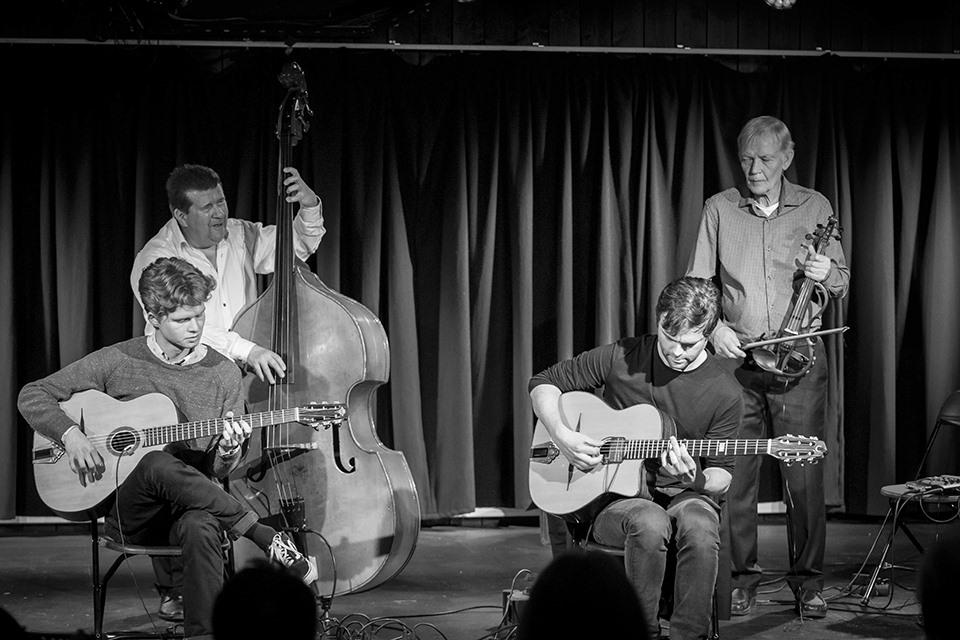
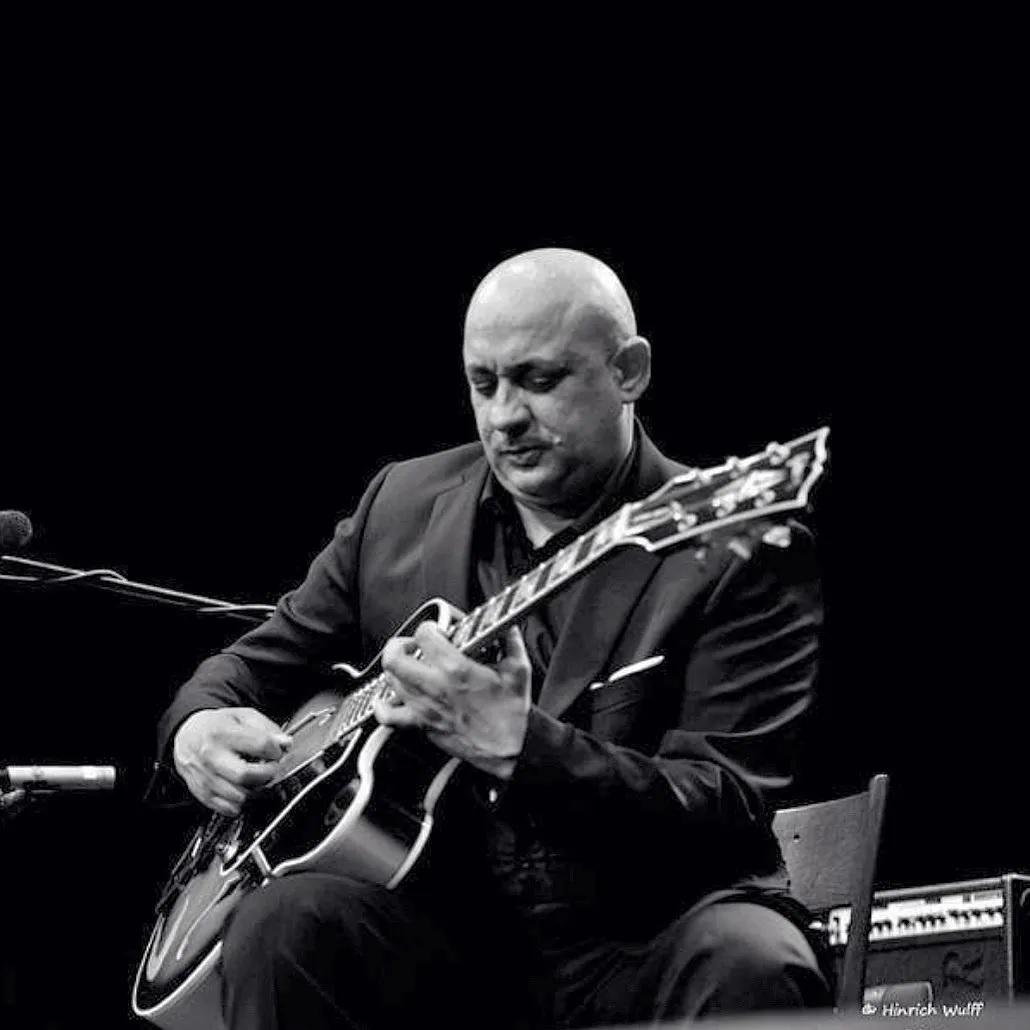
Fapy Lafertin’s Spotify Biob. 20 March 1950, Kortrijk, Belgium. Born into the Manouche gypsy community, Lafertin took an interest in music from a very early age. He played several instruments before choosing the guitar as his principal means of expression. Not surprisingly given their shared background, the music of another Manouche gypsy, Django Reinhardt, beckoned. Nevertheless, Lafertin played other forms before plunging into the Quintet Du Hot Club Du France repertoire, which he did when he joined the orchestra of violinist Piotto Lindberger. In the 70s and early 80s an offshoot of this band was formed and named WASO. In this band with Lafertin and Lindberger were Viri Lindberger (guitar) and Michel Verstvaeten (bass). Lafertin’s spell with WASO spread his name and reputation spread worldwide. He left WASO and in 1985 formed his own quintet in the Netherlands, which he modelled upon QHCF. In this group have been featured various Dutch instrumentalists, among them violinist Rudi Brink (violin), and Joop… Hendricks and Tim Kliphuis aka Tim Kliphouse (saxophone). Lafertin also followed a solo career, during which he played in various European countries including the UK. Among many American jazzmen with whom Lafertin has worked are Charlie Byrd, Scott Hamilton, Al Casey, Milt Hinton and Benny Waters. During a visit to Scotland he also teamed up briefly in Glasgow with Stéphane Grappelli, Reinhardt’s partner more than half a century earlier in the original QHCF.
In the early 00s, Lafertin continued touring and recording and in addition to orthodox instruments also began featuring the 12-string guitarra in performances of traditional Portuguese fado and Brazilian samba. This kind of music is set amid compositions by Reinhardt and Grappelli, as well as the music of Duke Ellington and the composers of the Great American Song Book. Technically, Lafertin is extraordinarily accomplished; this, allied as it is to a deep appreciation of the melodic content of his repertoire makes his playing exhilaratingly attractive. His decision to pursue Reinhardt’s style has not mired him in the past and he has brought to the music contemporary sensibilities. Bob Wilber, who appears with Lafertin on 1996’s Hungaria, has no doubts about Lafertin’s status, commenting that the guitarist is: ‘The legitimate heir to Django’s crown.’
Viberate is a music analytics platform built for A&Rs, artist managers, labels, booking agents, marketers, and artists.
It helps music professionals track artist growth, analyze audience data, monitor playlist activity, compare artists, follow song performance, and identify opportunities across the music market.
Public artist pages provide a free preview of selected artist data. Paid plans provide access to deeper analytics, historical data, charts, comparisons, playlist tools, exports, alerts, reports, and additional professional features.
Yes. Public Viberate artist pages provide selected artist analytics and music data for free.
Viberate also offers a 7-day free trial of the full platform. A credit card is required to start the trial. The trial includes access to the complete product so users can test deeper artist analytics, historical views, playlist insights, comparisons, charts, exports, alerts, and reporting features before choosing a paid plan.
Viberate provides artist analytics across streaming, playlists, social media, video, radio airplay, songs, and audience markets.
Users can analyze Spotify performance, Spotify and Apple Music playlists, YouTube activity, TikTok and Instagram growth, radio spins, song performance, audience locations, demographics, rankings, and overall artist momentum.
Artist profiles also connect to music charts, similar artists, and comparison tools, helping users benchmark performance and evaluate artists in context.
Viberate updates key artist and track data daily.
For followed artists and tracks, selected data is refreshed multiple times per day. This helps teams monitor playlist changes, streaming movement, audience growth, releases, and campaign performance with more current data.
Update frequency can vary depending on the metric and data source.
Yes. Viberate lets users compare up to five artists side by side across streaming, social media, audience, and engagement metrics.
Users can compare fanbase growth, audience demographics, locations, Spotify performance, social metrics, and other artist data over selected time periods.
Artist comparison can be used for A&R scouting, benchmarking, booking decisions, campaign planning, and evaluating artists with similar audiences or market positions.