Fantasy

Pop
Mainstream Pop
Dance
 Viberate Rank: 321339
 Viberate Rank: 321339
 Monthly ListenersFollowers
 Subscribers
 Followers
 Followers
 FansTop Spotify Songs
| Track | 7-Day Streams | |
|---|---|---|
1 | 1.12K | |
2 | 807 | |
3 | 366 | |
4 | 152 | |
5 | 144 |
Top YouTube VideosMonthly ListenersFeatured in Playlists| Playlist | Followers | |
|---|---|---|
1 |  Myd's track IDs Spotify | 48.67K |
2 | NTS LIVE Sabri M. | 20.08K |
3 |  Living In My Headphones James Lavelle (UNKLE) | 16.04K |
4 |  Frankie Frank Lobrecht | 15.72K |
5 |  Discovered Weekly eddershaw | 6.05K |
Audience| City | Monthly Listeners | |
|---|---|---|
1 |  | 163 |
2 |  | 67 |
3 | | 62 |
4 | | 57 |
5 | | 52 |
See full performance history, audience data, playlist activity, rankings, comparisons, and more in Viberate music analytics. Start with a free trial, then continue with a paid plan.
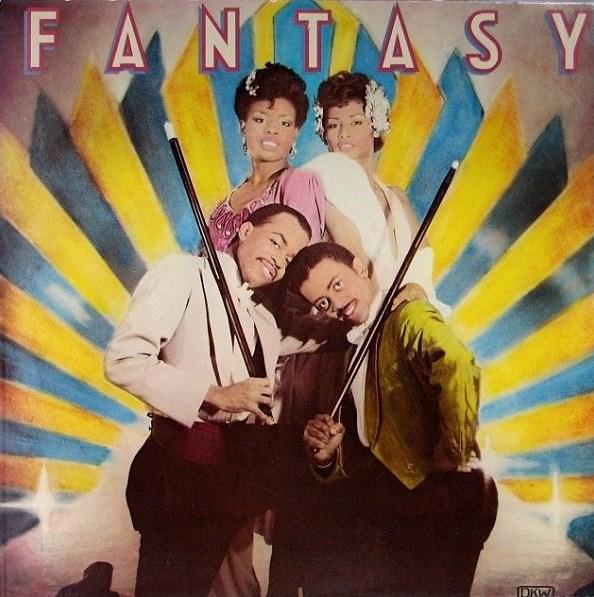
Fantasy’s Spotify BioFantasy were originally a group comprised of two females and two males, assembled and produced by Tony Valor. Their biggest single, "You're Too Late," charted disco for five weeks in 1981. It was taken from the Fantasy album on Pavillion Records, the first of two albums -- the second being 1982's Sex and Material Possessions. Vocally they were weak, more pop than soul, with too much reliance on a light-voiced female vocalist. Unlike New York and Philly disco, Fantasy were flyweight; the sound didn't have the devastating beats that American clubbers like, but was more classy, hustle-styled disco. Hot Productions remembers them with repackaged compilations of their Pavillion recordings: The Best of Fantasy in 1990, and two more in the mid-'90s, He's Number One and You're Too Late.
Valor revived the group in the early 2000s on his TVI label, beginning with another self-titled album, this one released in 2003. This revived Fantasy had very little in common with their predecessor: the… membership now consisted of several young ladies -- Dee, Janette, Mia, and Misty -- and their sound was more in line with that of the times, that is, Euro-trance-style dance-pop not very far removed from traditional Hi-NRG. Fantasy version 2.0 charted a single in 2003, "Again," and released another one a year later, "Hot Shot." As he had done 20 years earlier, Valor wrote and produced most of the group's songs. ~ Andrew Hamilton & Jason Birchmeier, Rovi
Viberate is a music analytics platform built for A&Rs, artist managers, labels, booking agents, marketers, and artists.
It helps music professionals track artist growth, analyze audience data, monitor playlist activity, compare artists, follow song performance, and identify opportunities across the music market.
Public artist pages provide a free preview of selected artist data. Paid plans provide access to deeper analytics, historical data, charts, comparisons, playlist tools, exports, alerts, reports, and additional professional features.
Yes. Public Viberate artist pages provide selected artist analytics and music data for free.
Viberate also offers a 7-day free trial of the full platform. A credit card is required to start the trial. The trial includes access to the complete product so users can test deeper artist analytics, historical views, playlist insights, comparisons, charts, exports, alerts, and reporting features before choosing a paid plan.
Viberate provides artist analytics across streaming, playlists, social media, video, radio airplay, songs, and audience markets.
Users can analyze Spotify performance, Spotify and Apple Music playlists, YouTube activity, TikTok and Instagram growth, radio spins, song performance, audience locations, demographics, rankings, and overall artist momentum.
Artist profiles also connect to music charts, similar artists, and comparison tools, helping users benchmark performance and evaluate artists in context.
Viberate updates key artist and track data daily.
For followed artists and tracks, selected data is refreshed multiple times per day. This helps teams monitor playlist changes, streaming movement, audience growth, releases, and campaign performance with more current data.
Update frequency can vary depending on the metric and data source.
Yes. Viberate lets users compare up to five artists side by side across streaming, social media, audience, and engagement metrics.
Users can compare fanbase growth, audience demographics, locations, Spotify performance, social metrics, and other artist data over selected time periods.
Artist comparison can be used for A&R scouting, benchmarking, booking decisions, campaign planning, and evaluating artists with similar audiences or market positions.