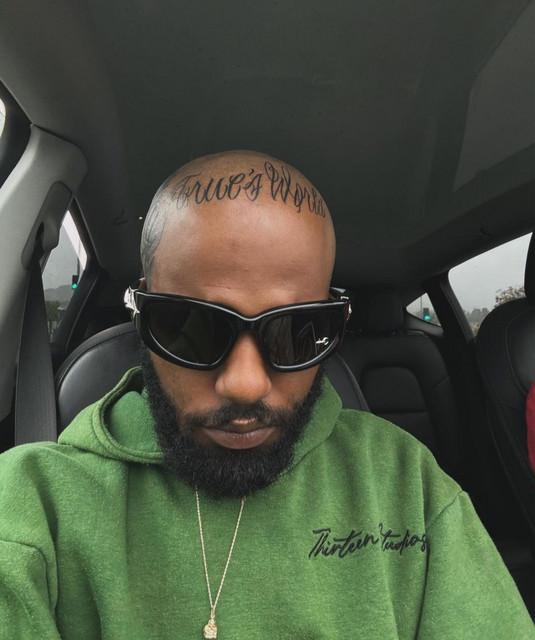
Famous Dex

Hip Hop
Trap
 Viberate Rank: 6043
 Viberate Rank: 6043
 Monthly ListenersFollowers
 Subscribers
 Followers
 Followers
 FansTop Spotify Songs
| Track | 7-Day Streams | |
|---|---|---|
1 | 379.93K | |
2 | 377.45K | |
3 | 32.08K | |
4 | 19.80K | |
5 | 16.89K |
Top YouTube Videos| Video | 7-Day Views | |
|---|---|---|
1 | 53.06K | |
2 | 21.10K | |
3 | 19.30K | |
4 | 15.36K | |
5 | 14.22K |
Monthly ListenersFeatured in Playlists| Playlist | Followers | |
|---|---|---|
1 |  Rap Hits (2010 - 2023) Membrives | 389.50K |
2 |  Rap Hits 2010-2026 ES-A | 348.92K |
3 |  gym sesh so he regrets it xoxo playlistsbydea | 178.13K |
4 |  @rond.cc on ig rond | 171.36K |
5 |  Jynxzi ojynxzi | 169.63K |
Audience| City | Monthly Listeners | |
|---|---|---|
1 | | 34.78K |
2 | | 31.07K |
3 | | 28.11K |
4 |  | 22.55K |
5 | | 21.70K |
See full performance history, audience data, playlist activity, rankings, comparisons, and more in Viberate music analytics. Start with a free trial, then continue with a paid plan.
Famous Dex’s Spotify BioChicago rapper Famous Dex began posting and uploading his hooky, Southern-influenced brand of hip-hop in 2015. After a few self-released mixtapes, he had some chart success with his 2018 debut studio album Dex Meets Dexter, and returned two years later with second album Diana.
Famous Dex was born Dexter Gore, Jr. in 1993 and grew up on the South Side of Chicago. He dabbled in music as early as 2012, but decided to take it more seriously after the death of his mother in 2014. In 2015 he released two mixtapes, Never Seen It Coming and Dexter's Laboratory. He had a minor hit with the track "Drippy Drippy," and continued to release more mixtapes throughout 2016. In March, he signed to Rich the Kid's label Rich Forever Music and issued the hit "Drip from My Walk." The following year, the A$AP Rocky collaboration "Pick It Up" hit the Billboard Hot 100 and peaked at number 54. A handful of singles including the Top 30 pop hit "Japan" led to Dex Meets Dexter, his first proper album, in 2018. In… 2019 he released two EPs, Weird vs. Crazy and Dexter 2031. After releasing the Where's Dexter mixtape in June of 2020, he returned with his second proper studio album, Diana, in October of that year. Diana featured guest spots from longtime collaborators Rich the Kid and Jay Critch, and cameos from Trippie Redd and Wiz Khalifa. ~ David Jeffries & Fred Thomas, Rovi
Viberate is a music analytics platform built for A&Rs, artist managers, labels, booking agents, marketers, and artists.
It helps music professionals track artist growth, analyze audience data, monitor playlist activity, compare artists, follow song performance, and identify opportunities across the music market.
Public artist pages provide a free preview of selected artist data. Paid plans provide access to deeper analytics, historical data, charts, comparisons, playlist tools, exports, alerts, reports, and additional professional features.
Yes. Public Viberate artist pages provide selected artist analytics and music data for free.
Viberate also offers a 7-day free trial of the full platform. A credit card is required to start the trial. The trial includes access to the complete product so users can test deeper artist analytics, historical views, playlist insights, comparisons, charts, exports, alerts, and reporting features before choosing a paid plan.
Viberate provides artist analytics across streaming, playlists, social media, video, radio airplay, songs, and audience markets.
Users can analyze Spotify performance, Spotify and Apple Music playlists, YouTube activity, TikTok and Instagram growth, radio spins, song performance, audience locations, demographics, rankings, and overall artist momentum.
Artist profiles also connect to music charts, similar artists, and comparison tools, helping users benchmark performance and evaluate artists in context.
Viberate updates key artist and track data daily.
For followed artists and tracks, selected data is refreshed multiple times per day. This helps teams monitor playlist changes, streaming movement, audience growth, releases, and campaign performance with more current data.
Update frequency can vary depending on the metric and data source.
Yes. Viberate lets users compare up to five artists side by side across streaming, social media, audience, and engagement metrics.
Users can compare fanbase growth, audience demographics, locations, Spotify performance, social metrics, and other artist data over selected time periods.
Artist comparison can be used for A&R scouting, benchmarking, booking decisions, campaign planning, and evaluating artists with similar audiences or market positions.