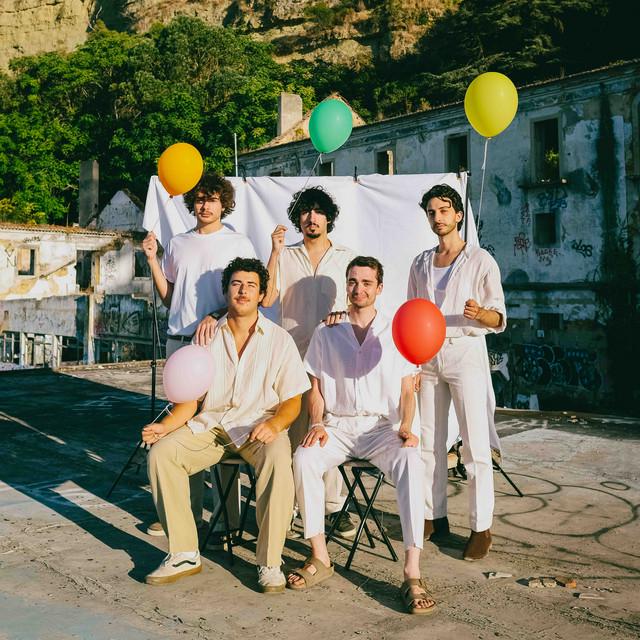
Falso Nove

Rock
Alternative Rock
Indie Rock
 Viberate Rank: 322896
 Viberate Rank: 322896
 Monthly ListenersFollowers
 Subscribers
 Followers
 Followers
 FansTop Spotify Songs
| Track | 7-Day Streams | |
|---|---|---|
1 | 478 | |
2 | 446 | |
3 | 199 | |
4 | 128 | |
5 | 106 |
Top YouTube VideosMonthly ListenersFeatured in Playlists| Playlist | Followers | |
|---|---|---|
1 |  Portuguese Indie Music | Portuguese Art Lover Portuguese Art Lover | 9.17K |
2 |  Indie Songs | Portuguese Art Lover Portuguese Art Lover | 1.36K |
3 |  portuguese bangers bons gostos | 1.18K |
Audience| City | Monthly Listeners | |
|---|---|---|
1 | | 1.13K |
2 | | 532 |
3 | | 161 |
4 | | 85 |
5 | | 72 |
See full performance history, audience data, playlist activity, rankings, comparisons, and more in Viberate music analytics. Start with a free trial, then continue with a paid plan.
Falso Nove’s Spotify BioBlusa é a porta de entrada no segundo álbum, ‘Não Sonho Quase Nada’, onde a banda aborda o desencanto com a sua existência na sociedade atual através de uma exploração da infância enquanto forma de evasão e fonte de aprendizagem para viver os dias de hoje. Enquanto primeiro single, Blusa captura, na perfeição, esta reflexão e olhar nostálgicos sobre a infância.
A música é precisamente sobre essa tomada de consciência de que o crescimento é irreversível (“a blusa não serve mais”) e mostra uma postura de desencanto sobre o estado onde ele nos trouxe. Ao mesmo tempo, mostra uma dor enorme da perda desse “eu” coletivo mais novo, a criança interior que fica para trás. Nesse sentido, Blusa é um olhar para a infância em busca desse sonho e dessa inocência perdidos ("de pé coxinho eu vou-me atirar").
O single vem acompanhado de um videoclipe, uma compilação de vídeos de infância da banda e de amigos/familiares próximos.
Saia, segundo lançamento disponível agora, é sobre a liberdade de a banda… fazer o que sente. É um canção sobre o medo de dizer, fazer e ser aquilo que realmente quer.
Falso nove é um projeto de indie rock cantado em português. É composto por músicos de diferentes pontos do país: Mateus Carvalho (voz, guitarra acústica e saxofone), Afonso Lima (voz e guitarra elétrica), José Amoreira (baixo), Francisco Leite (piano e teclados) e Francisco Marcelino (bateria).
Viberate is a music analytics platform built for A&Rs, artist managers, labels, booking agents, marketers, and artists.
It helps music professionals track artist growth, analyze audience data, monitor playlist activity, compare artists, follow song performance, and identify opportunities across the music market.
Public artist pages provide a free preview of selected artist data. Paid plans provide access to deeper analytics, historical data, charts, comparisons, playlist tools, exports, alerts, reports, and additional professional features.
Yes. Public Viberate artist pages provide selected artist analytics and music data for free.
Viberate also offers a 7-day free trial of the full platform. A credit card is required to start the trial. The trial includes access to the complete product so users can test deeper artist analytics, historical views, playlist insights, comparisons, charts, exports, alerts, and reporting features before choosing a paid plan.
Viberate provides artist analytics across streaming, playlists, social media, video, radio airplay, songs, and audience markets.
Users can analyze Spotify performance, Spotify and Apple Music playlists, YouTube activity, TikTok and Instagram growth, radio spins, song performance, audience locations, demographics, rankings, and overall artist momentum.
Artist profiles also connect to music charts, similar artists, and comparison tools, helping users benchmark performance and evaluate artists in context.
Viberate updates key artist and track data daily.
For followed artists and tracks, selected data is refreshed multiple times per day. This helps teams monitor playlist changes, streaming movement, audience growth, releases, and campaign performance with more current data.
Update frequency can vary depending on the metric and data source.
Yes. Viberate lets users compare up to five artists side by side across streaming, social media, audience, and engagement metrics.
Users can compare fanbase growth, audience demographics, locations, Spotify performance, social metrics, and other artist data over selected time periods.
Artist comparison can be used for A&R scouting, benchmarking, booking decisions, campaign planning, and evaluating artists with similar audiences or market positions.