Faith Holt

Rock
Alternative Rock
Indie Rock
 Viberate Rank: 685954
 Viberate Rank: 685954
 Monthly ListenersFollowers
 Subscribers
 Followers
 Followers
 FansTop Spotify Songs
| Track | 7-Day Streams | |
|---|---|---|
1 | 9 | |
2 | 1 | |
3 | 1 | |
4 | 1 | |
5 | 1 |
Top YouTube VideosMonthly ListenersFeatured in Playlists| Playlist | Followers | |
|---|---|---|
1 |  The Sound of 5th Wave Emo The Sounds of Spotify | 9.01K |
2 | Fifth Wave Emo JesseXGomez | 4.25K |
Audience| City | Monthly Listeners | |
|---|---|---|
1 | | 3 |
See full performance history, audience data, playlist activity, rankings, comparisons, and more in Viberate music analytics. Start with a free trial, then continue with a paid plan.
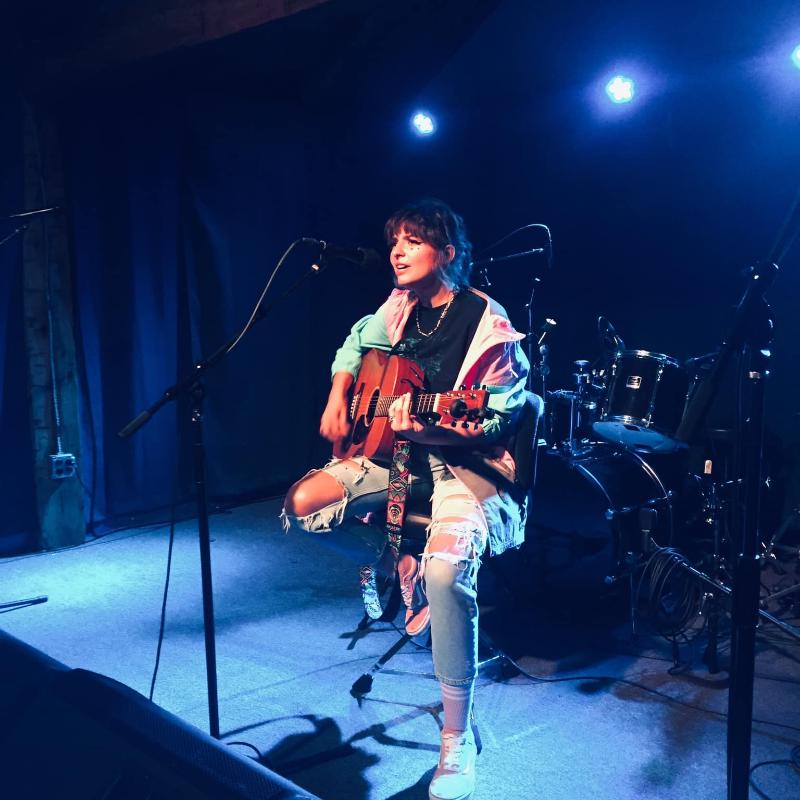
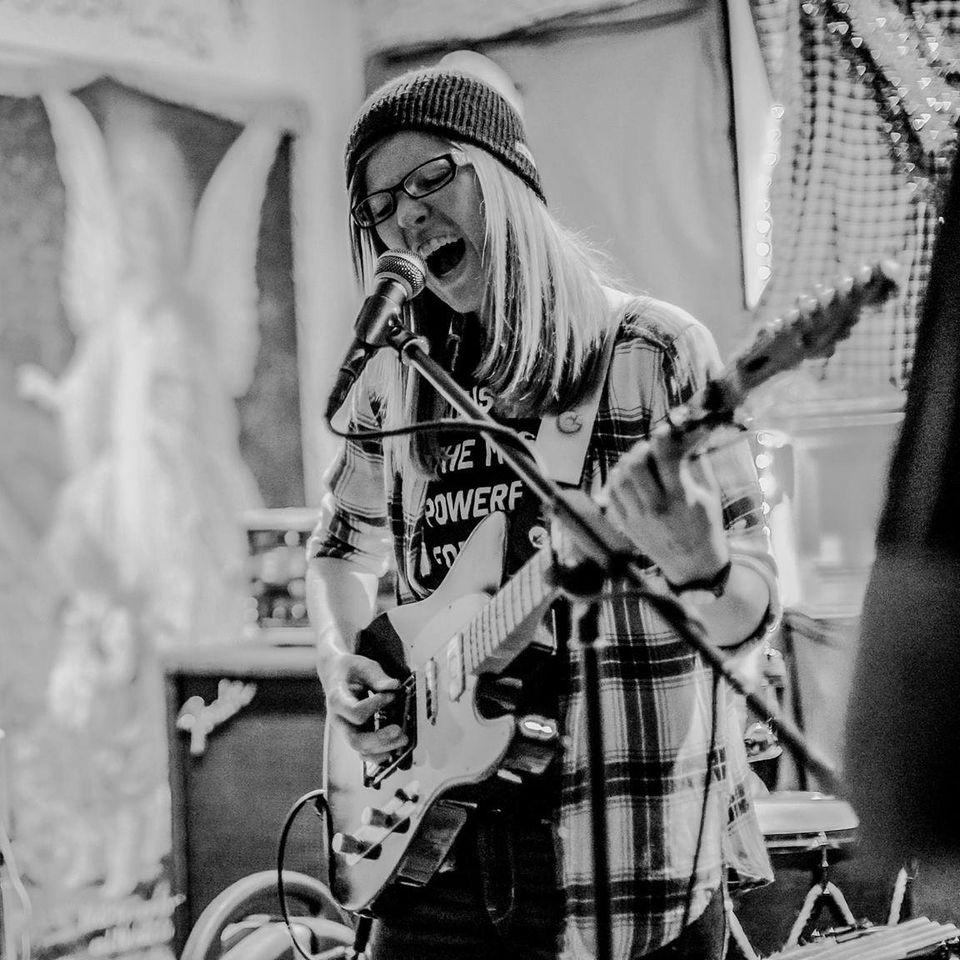
Faith Holt’s Spotify BioBorn and raised in middle Tennessee, you’ll find Faith Holt: a singer songwriter making songs steeped in alternative emo and independent rock. The songs are self-realized depictions of the more difficult moments of existence. Topics include questioning religious beliefs, analyzing mental health, exploring the difficulty in relationships, and lingering over moments in time.
The specificity of time is an early hallmark of Holt’s music. The singles released from 2015-2019 feel like journal entries. “August 1st,” watching “Fireworks” on the 4th of July, and then before you know it, in “Second Place,” it’s the middle of December again.
Then comes The Difference. Still processing the same themes, still the same sound, but more fully realized. The arrangements on the record are sparkling and recall the previous grandeur of mid 00’s emo.
The fear of finding happiness is the central theme of The Difference. It “focuses on the concept of the difference you feel and didn’t know existed prior to… losing the happiness, paranoia the fall out will always come after finding it again, and also on the feeling of it being a cycle that seems to inevitably repeat.” said Faith of the record. There’s a moment in the title track when she sings “I’m afraid I’ll get used to this right before it ends. / That I just won’t get over it and there will be more to miss.”
Faith's music is like a late night car ride with a close friend who knows you better than anyone else. And sometimes that friend is you.
Viberate is a music analytics platform built for A&Rs, artist managers, labels, booking agents, marketers, and artists.
It helps music professionals track artist growth, analyze audience data, monitor playlist activity, compare artists, follow song performance, and identify opportunities across the music market.
Public artist pages provide a free preview of selected artist data. Paid plans provide access to deeper analytics, historical data, charts, comparisons, playlist tools, exports, alerts, reports, and additional professional features.
Yes. Public Viberate artist pages provide selected artist analytics and music data for free.
Viberate also offers a 7-day free trial of the full platform. A credit card is required to start the trial. The trial includes access to the complete product so users can test deeper artist analytics, historical views, playlist insights, comparisons, charts, exports, alerts, and reporting features before choosing a paid plan.
Viberate provides artist analytics across streaming, playlists, social media, video, radio airplay, songs, and audience markets.
Users can analyze Spotify performance, Spotify and Apple Music playlists, YouTube activity, TikTok and Instagram growth, radio spins, song performance, audience locations, demographics, rankings, and overall artist momentum.
Artist profiles also connect to music charts, similar artists, and comparison tools, helping users benchmark performance and evaluate artists in context.
Viberate updates key artist and track data daily.
For followed artists and tracks, selected data is refreshed multiple times per day. This helps teams monitor playlist changes, streaming movement, audience growth, releases, and campaign performance with more current data.
Update frequency can vary depending on the metric and data source.
Yes. Viberate lets users compare up to five artists side by side across streaming, social media, audience, and engagement metrics.
Users can compare fanbase growth, audience demographics, locations, Spotify performance, social metrics, and other artist data over selected time periods.
Artist comparison can be used for A&R scouting, benchmarking, booking decisions, campaign planning, and evaluating artists with similar audiences or market positions.