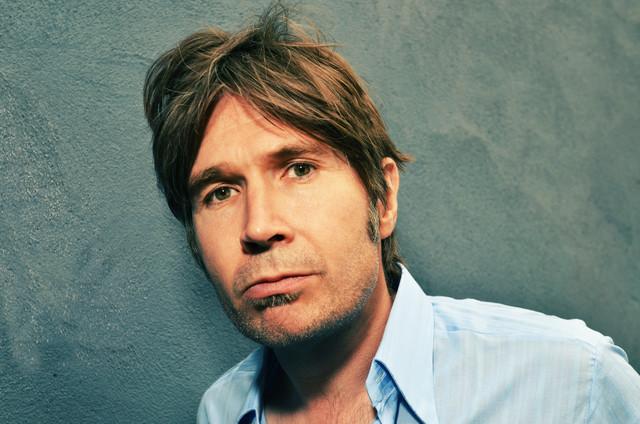
EZIO

Rock
Folk Rock
Indie Rock
 Viberate Rank: 242912
 Viberate Rank: 242912
 Monthly ListenersFollowers
 Subscribers
 Followers
 Followers
 FansTop Spotify Songs
| Track | 7-Day Streams | |
|---|---|---|
1 | 1.13K | |
2 | 581 | |
3 | 314 | |
4 | 310 | |
5 | 281 |
Top YouTube VideosMonthly ListenersFeatured in Playlists| Playlist | Followers | |
|---|---|---|
1 |  NDR 2 - Die beste Musik! #2026 7269 | 5.47K |
2 |  Witsand Noordwijk The Breath Club | 2.53K |
3 | Clementine Ford | 1.87K |
4 | Die legendäre Fahrrad-Playlist Julia | 1.14K |
Audience| City | Monthly Listeners | |
|---|---|---|
1 |  | 328 |
2 | | 301 |
3 | | 221 |
4 | | 192 |
5 | | 184 |
See full performance history, audience data, playlist activity, rankings, comparisons, and more in Viberate music analytics. Start with a free trial, then continue with a paid plan.
EZIO’s Spotify BioAn English band that formed in Cambridge in 1990, Ezio were -- at first -- Ezio Lunedei and Mark "Booga" Fowell. Lunedei and Fowell honed their chops by playing all over the country and released their first album, The Angel Song, on independent Salami Records. The release and the duo's live shows were enough to attract major-label interest, and in 1994 Ezio signed with heavy-hitters BMG. They then recorded and released their Rupert Hine-produced debut -- Black Boots on Latin Feet -- in 1995. After a 1997 follow-up (Diesel Vanilla), Ezio expanded their roster to include Lidia Cascarino on bass and producer Peter Van Hooke on drums to augment their live and studio work. Eventually the lineup would settle on Ezio, Fowell, Cascarino, Lee Russell on percussion and other instruments, and Alex Reeves taking over drumming duties from Van Hooke. The band continued to tour and record, and over the next decade released a trio of quality albums in Higher (2000), The Making of Mr. Spoons (2003),… and Ten Thousand Bars (2006). Over the years, Ezio also released a number of live albums, DVDs, and compilations, maintaining a cult-like status in the U.K. and Europe. Ringing in the new decade with the hard-driving folk-rock of This Is the Day (2010), they followed up in 2014 with Adam & the Snake, both on longtime label Tapete. They switched to the Jazzhaus label for 2016's Daylight Moon. ~ Chris True, Rovi
Viberate is a music analytics platform built for A&Rs, artist managers, labels, booking agents, marketers, and artists.
It helps music professionals track artist growth, analyze audience data, monitor playlist activity, compare artists, follow song performance, and identify opportunities across the music market.
Public artist pages provide a free preview of selected artist data. Paid plans provide access to deeper analytics, historical data, charts, comparisons, playlist tools, exports, alerts, reports, and additional professional features.
Yes. Public Viberate artist pages provide selected artist analytics and music data for free.
Viberate also offers a 7-day free trial of the full platform. A credit card is required to start the trial. The trial includes access to the complete product so users can test deeper artist analytics, historical views, playlist insights, comparisons, charts, exports, alerts, and reporting features before choosing a paid plan.
Viberate provides artist analytics across streaming, playlists, social media, video, radio airplay, songs, and audience markets.
Users can analyze Spotify performance, Spotify and Apple Music playlists, YouTube activity, TikTok and Instagram growth, radio spins, song performance, audience locations, demographics, rankings, and overall artist momentum.
Artist profiles also connect to music charts, similar artists, and comparison tools, helping users benchmark performance and evaluate artists in context.
Viberate updates key artist and track data daily.
For followed artists and tracks, selected data is refreshed multiple times per day. This helps teams monitor playlist changes, streaming movement, audience growth, releases, and campaign performance with more current data.
Update frequency can vary depending on the metric and data source.
Yes. Viberate lets users compare up to five artists side by side across streaming, social media, audience, and engagement metrics.
Users can compare fanbase growth, audience demographics, locations, Spotify performance, social metrics, and other artist data over selected time periods.
Artist comparison can be used for A&R scouting, benchmarking, booking decisions, campaign planning, and evaluating artists with similar audiences or market positions.