Extreme Animals

Electronic
Dance
 Viberate Rank: 566717
 Viberate Rank: 566717
 Monthly ListenersFollowers
 Subscribers
 Followers
 Followers
 FansTop Spotify Songs
| Track | 7-Day Streams | |
|---|---|---|
1 | 21 | |
2 | 17 | |
3 | 13 | |
4 | 12 | |
5 | 11 |
Top YouTube VideosMonthly ListenersFeatured in PlaylistsAudience| City | Monthly Listeners | |
|---|---|---|
1 | | 9 |
2 | | 4 |
3 | | 3 |
4 | | 3 |
See full performance history, audience data, playlist activity, rankings, comparisons, and more in Viberate music analytics. Start with a free trial, then continue with a paid plan.
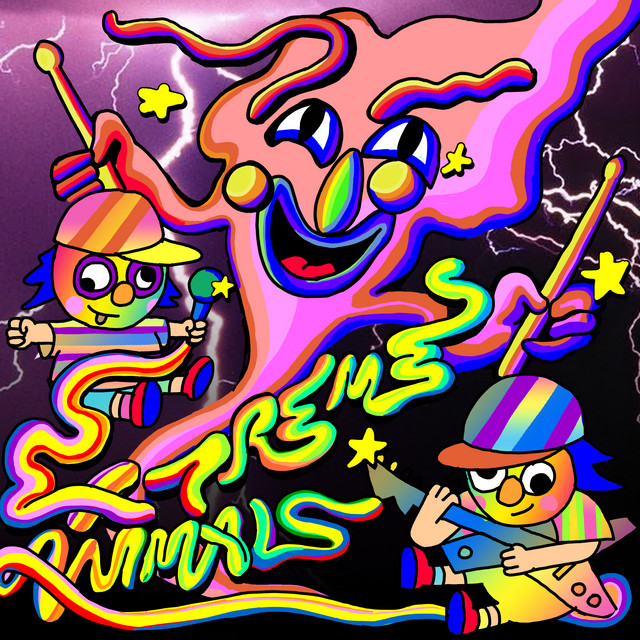
Extreme Animals’ Spotify BioExtreme Animals formed in 2002, quickly becoming known as the colorful freakout act that would play last at DIY experimental/noise shows, combining distorted euro-trance melodies, broken drum beats and manic stage energy into a celebratory and dirty neon mess. Affiliated with the Paper Rad art collective, they were described as “sounding like what Paper Rad looks like.” During this period they played shows with acts like Dan Deacon and Lightning Bolt and performed at underground venues like The Smell and Wham City, and at museums like The Hirschhorn and MOMA.
2013’s “visual album” The Urgency shifted their focus: the bright, dense, frenetic optimism of their early music was replaced by angsty nu-metal riffs, top-40 pop music samples, gabber kicks, and dystopian video collage. The result was a loosely narrative, apocalyptic "concept album" about America's obsession with and simultaneous hatred of The Internet.
From 2014-16 David (aka DJ George Costanza) released his highly shared “My… Friend Zone Over You: A Pop Punk Mix” via Dis Magazine, Jacob made web-based video projects for Death Grips and Oneohtrix Point Never and the band went on tour with YACHT and Anamanaguchi.
Because they have been merging various micro-genres together since 2002 some say they are predecessors of hyperpop but the band prefer instead the label "Rainbow Rock." They continue to push their sound to new places and are working on a new visual album to be released early 2021.
Viberate is a music analytics platform built for A&Rs, artist managers, labels, booking agents, marketers, and artists.
It helps music professionals track artist growth, analyze audience data, monitor playlist activity, compare artists, follow song performance, and identify opportunities across the music market.
Public artist pages provide a free preview of selected artist data. Paid plans provide access to deeper analytics, historical data, charts, comparisons, playlist tools, exports, alerts, reports, and additional professional features.
Yes. Public Viberate artist pages provide selected artist analytics and music data for free.
Viberate also offers a 7-day free trial of the full platform. A credit card is required to start the trial. The trial includes access to the complete product so users can test deeper artist analytics, historical views, playlist insights, comparisons, charts, exports, alerts, and reporting features before choosing a paid plan.
Viberate provides artist analytics across streaming, playlists, social media, video, radio airplay, songs, and audience markets.
Users can analyze Spotify performance, Spotify and Apple Music playlists, YouTube activity, TikTok and Instagram growth, radio spins, song performance, audience locations, demographics, rankings, and overall artist momentum.
Artist profiles also connect to music charts, similar artists, and comparison tools, helping users benchmark performance and evaluate artists in context.
Viberate updates key artist and track data daily.
For followed artists and tracks, selected data is refreshed multiple times per day. This helps teams monitor playlist changes, streaming movement, audience growth, releases, and campaign performance with more current data.
Update frequency can vary depending on the metric and data source.
Yes. Viberate lets users compare up to five artists side by side across streaming, social media, audience, and engagement metrics.
Users can compare fanbase growth, audience demographics, locations, Spotify performance, social metrics, and other artist data over selected time periods.
Artist comparison can be used for A&R scouting, benchmarking, booking decisions, campaign planning, and evaluating artists with similar audiences or market positions.