Exodia

Metal
Thrash Metal
 Viberate Rank: 331929
 Viberate Rank: 331929
 Monthly ListenersFollowers
 Subscribers
 Followers
 Followers
 FansTop Spotify Songs
| Track | 7-Day Streams | |
|---|---|---|
1 | 184 | |
2 | 179 | |
3 | 18 | |
4 | 15 | |
5 | 14 |
Top YouTube VideosMonthly ListenersFeatured in Playlists| Playlist | Followers | |
|---|---|---|
1 |  TRASH METAL⚡️BEST OF THRASH METAL 🔱 THEOCIDE STUDIOS 🔱 | 13.73K |
2 | Thrash Metal Up Your Ass Germonio | 6.86K |
3 | Thrash Daniel Höld | 4.50K |
4 |  New Wave Of Thrash Metal Andrew Saalmann | 4.41K |
5 | New Thrash Metal thrashguitars | 2.87K |
Audience| City | Monthly Listeners | |
|---|---|---|
1 |  | 26 |
2 | | 25 |
3 |  | 21 |
4 | | 20 |
5 |  | 14 |
See full performance history, audience data, playlist activity, rankings, comparisons, and more in Viberate music analytics. Start with a free trial, then continue with a paid plan.
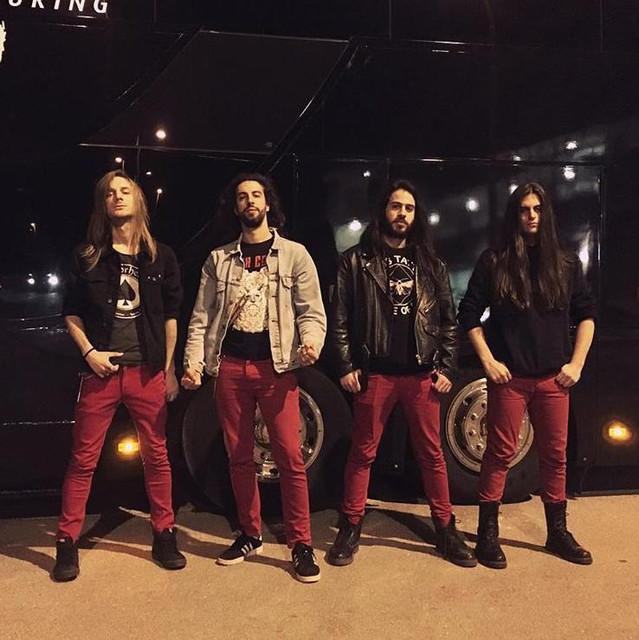
Exodia’s Spotify BioExodia was formed in Valencia in 2009, initially being a more focused group
in Heavy Metal, but little by little they evolved'towards a harder and more
Thrash Metal, with influences such as Megadeth, Metallica, Arch Enemy, Kreator,
Lamb Of God, Machine Head, Overkill or Slayer...
If something characterizes Exodia, it is its ease in mixing thrash metal with other styles.
In 2011 they entered the studio to record their first album. The Art Gates Records label
becomes interested in the band by offering them a record contract that the band signs for
their first aloum that would be released on April 2, 2012, titled Slow Death.
There you can see a big leap, both in quality and impact, placing the band as
one of the Thrash Metal references at the national level, garnering great criticism in the
media specialized.
In January 2014 they released their second LP, this time self-released. This album ¡s a step
important where greater musical maturity is really noticeable, this being an album
more direct, more… Thrash, more elaborate, getting very good reviews and reception
by his fans.
After a long break in 2023, they return with more strength and more desire than ever with
a new album under their belt, "Into the Mouth of Hell" in which the band takes another step
towards a more personal style with new nuances.
Members:
Amando Milla — Singer
Rafa Las Heras - Guitars
Erik Oliver — Guitars
Victor Tello — Bassist
Toni Camarero — Drummer
https://linktr.ee/exodiathrash
Viberate is a music analytics platform built for A&Rs, artist managers, labels, booking agents, marketers, and artists.
It helps music professionals track artist growth, analyze audience data, monitor playlist activity, compare artists, follow song performance, and identify opportunities across the music market.
Public artist pages provide a free preview of selected artist data. Paid plans provide access to deeper analytics, historical data, charts, comparisons, playlist tools, exports, alerts, reports, and additional professional features.
Yes. Public Viberate artist pages provide selected artist analytics and music data for free.
Viberate also offers a 7-day free trial of the full platform. A credit card is required to start the trial. The trial includes access to the complete product so users can test deeper artist analytics, historical views, playlist insights, comparisons, charts, exports, alerts, and reporting features before choosing a paid plan.
Viberate provides artist analytics across streaming, playlists, social media, video, radio airplay, songs, and audience markets.
Users can analyze Spotify performance, Spotify and Apple Music playlists, YouTube activity, TikTok and Instagram growth, radio spins, song performance, audience locations, demographics, rankings, and overall artist momentum.
Artist profiles also connect to music charts, similar artists, and comparison tools, helping users benchmark performance and evaluate artists in context.
Viberate updates key artist and track data daily.
For followed artists and tracks, selected data is refreshed multiple times per day. This helps teams monitor playlist changes, streaming movement, audience growth, releases, and campaign performance with more current data.
Update frequency can vary depending on the metric and data source.
Yes. Viberate lets users compare up to five artists side by side across streaming, social media, audience, and engagement metrics.
Users can compare fanbase growth, audience demographics, locations, Spotify performance, social metrics, and other artist data over selected time periods.
Artist comparison can be used for A&R scouting, benchmarking, booking decisions, campaign planning, and evaluating artists with similar audiences or market positions.